
Everything You Need to Know About Tooth Extractions: Causes, Process, and Recovery
Request Appointment


This is one of the most common dental procedures performed today. While dentists prioritize saving natural teeth whenever possible, some situations require removing a tooth to protect your overall oral health.
Want to know the main causes for extractions, what to expect during the procedure, and how to recover properly afterward? Continue reading this blog all the way to the end.
Why are Tooth Extractions Necessary?
Tooth removal is typically a last option when other treatments won’t solve the problem. Here are the most frequent reasons a dentist may recommend this procedure:
Severe Tooth Decay
Extraction is needed when a cavity is too deep, destroying most of the tooth structure, which is beyond repair. Deep decay can also pose a risk of spreading infection to the jawbone and neighboring teeth.
Impacted or Problematic Teeth
Wisdom teeth are the most common example. They may grow at an angle, get trapped under the gumline, or push against neighboring teeth, leading to pain or misalignment. In such cases, extraction prevents complications in the future.
Irreparably Damaged Teeth
Accidents or dental trauma can fracture a tooth beyond repair. If a crown or bonding cannot restore the structure or function, extracting the damaged tooth is the safest option.
Orthodontic Treatment Needs
To make room for proper alignment, a dental practitioner may suggest removing one or more teeth. This step provides effective and long-term results during teeth aligning treatment.
Infection That Won’t Heal
An infected tooth that doesn’t respond to antibiotics or root canal treatment might require extraction. Dental practitioners recommend tooth removal to prevent the spread of bacteria into the jaw or bloodstream.
If your dentist recommends tooth extractions in Bel Air, they will first conduct a detailed evaluation including X-rays and a medical history review. This ensures it is the right course of action for your oral health.
What is the Process of a Tooth Extraction?
Whether the procedure is about to be simple or surgical depends on the position of the tooth, its health, and accessibility. However, here is what you can expect during the procedure:
Initial Examination
Your dentist will first assess the tooth using visual checks and X-rays. During the consultation, they will explain the process, potential risks, and aftercare instructions.
Numbing the Area
Local anesthesia is usually used to numb the area for extraction. For more complex removals or anxious patients, sedation options are discussed in advance.
Simple Extraction
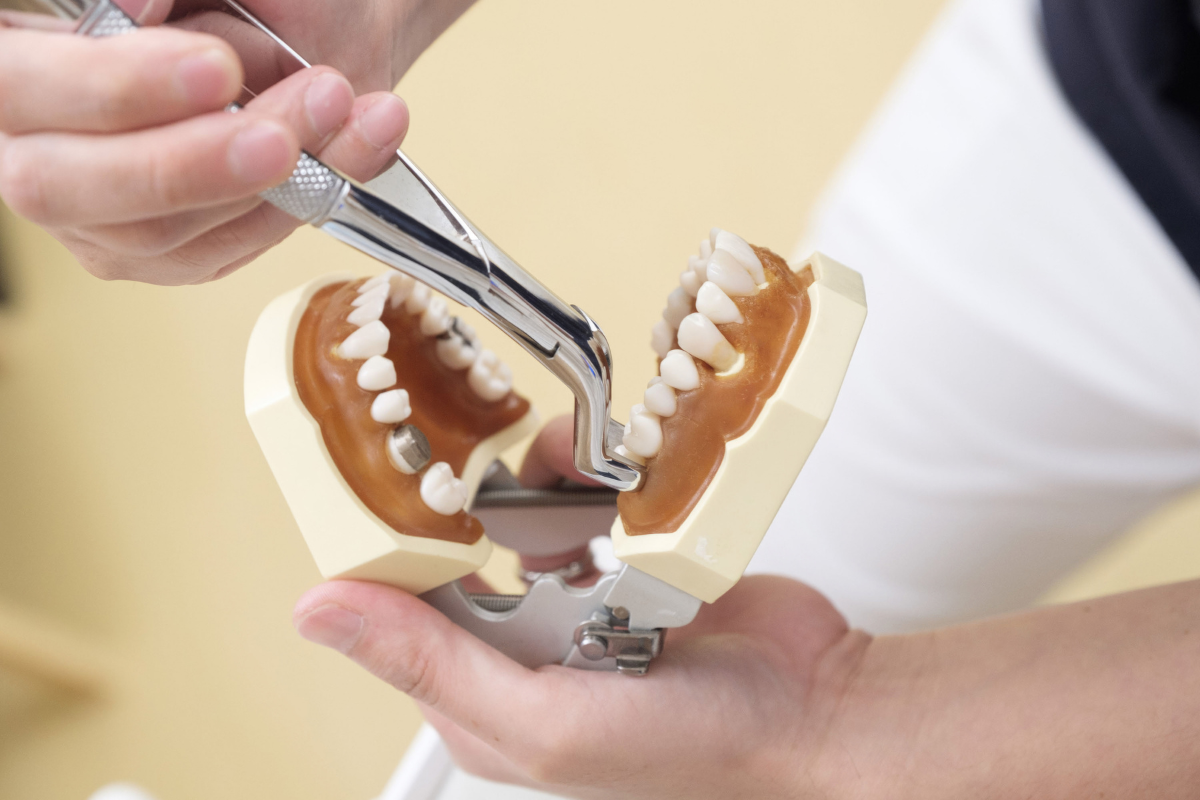
If the tooth is visible and easy to access, your dental practitioner will gently loosen it with dental instruments and remove it in one piece.
Surgical Extraction
Teeth that are impacted or broken near the gumline often require surgery. This involves making a small incision in the gum and includes cutting the tooth into sections before removal.
How to Recover After a Tooth Extraction?
To recover smoothly after tooth extractions in Bel Air, it requires managing pain, preventing complications, and practicing good oral care:
- Bleeding Control: Bite on sterile gauze for 30–45 minutes post-procedure. Replace it as needed.
- Pain Relief: Use over-the-counter medications like ibuprofen. Your dental practitioner may prescribe stronger pain relievers if necessary.
- Swelling Reduction: Apply ice packs in 15-minute intervals for the first 24 hours.
- Oral Hygiene: Wait 24 hours before gently rinsing with salt water. Brush carefully, avoiding the extraction site.
- Dietary Guidelines: Eat soft, cool foods like yogurt, applesauce, and mashed potatoes. Avoid spicy, crunchy, or hot foods.
- Rest & Healing: Rest for at least a day. Avoid exercise, smoking, and using straws, which can dislodge the healing clot.
- Follow-Up: Your dental care professional will schedule a follow-up to monitor healing and remove stitches if necessary.
Improper post-op care, such as aggressive rinsing or using straws, can lead to dry socket. This is a painful condition caused by clot disruption.
Tooth extractions can sound intimidating, but they are often essential for maintaining long-term oral health. With the right care from a trustworthy dentist, the procedure and recovery process can be smooth and complication-free.
If you are experiencing dental discomfort or simply need professional guidance to ensure optimal oral health, reach out to our team for personalized care customized according to your needs. Book an appointment to ensure your oral health is in top shape.