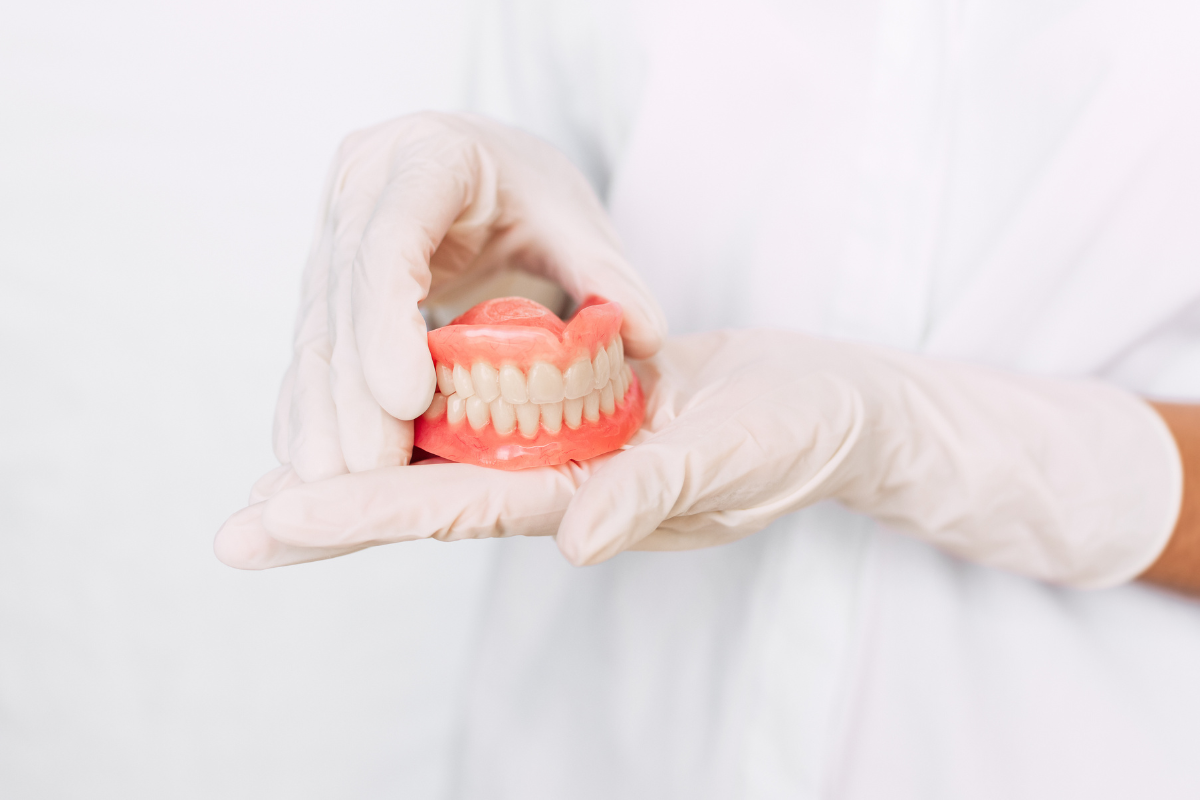

A Complete Guide to Tooth Extractions for Better Oral Health
Request Appointment

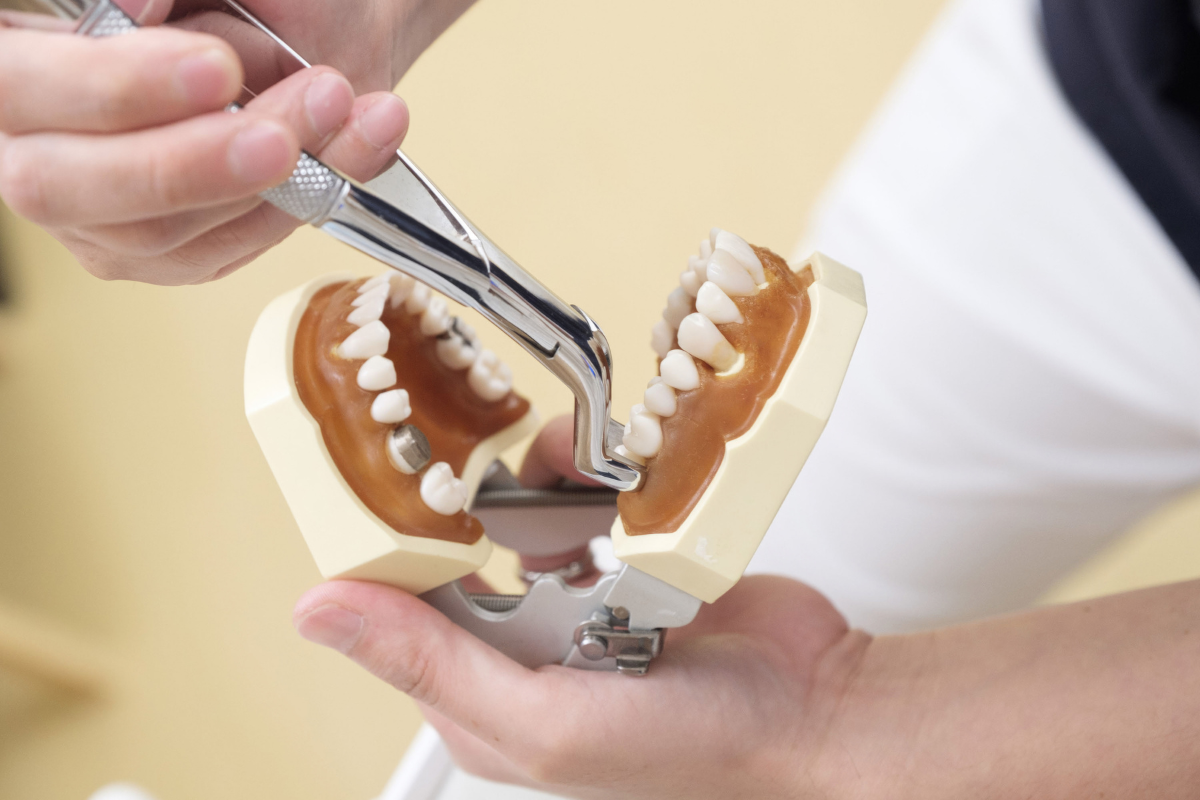
Tooth removal is among the most common dental procedures, yet it can feel intimidating for many patients. Whether you need an extraction due to damage, infection, or orthodontic reasons, understanding the process reduces anxiety and ensures a smoother recovery. To learn more about extractions and why they can be an essential step toward better oral health, read this blog till the end.
When Is a Tooth Extraction Necessary?
Dentists recommend tooth extractions in Bel Air and in other parts of the United States only when no other treatment can save the tooth. Common reasons include:
- Severe decay or infection that compromises tooth structure
- Impacted wisdom teeth are causing pain or shifting nearby teeth
- Overcrowding that interferes with orthodontic treatment
- Advanced gum disease that loosens teeth
- Fractured teeth beyond repair
In each case, removal protects surrounding teeth and preserves long-term oral health.
What are the Different Types of Tooth Extraction?
This procedure is of two types, and they are as follows:
Simple Extractions
These involve visible teeth that can be loosened and removed using dental instruments. Local anesthesia keeps the procedure comfortable.
Surgical Extractions
When a tooth is impacted or broken at the gum line, a surgical approach is required. The dentist makes a small incision in the gum and may remove bone around the tooth to complete the extraction.
Both methods are performed with modern techniques that prioritize patient comfort and safety. Patients looking for tooth extractions in Bel Air can expect both options, depending on their individual case.
The Extraction Procedure Step by Step
Knowing what to expect helps ease nerves before the appointment:
- Examination and Imaging: X-rays are used to evaluate the tooth’s position and root structure.
- Anesthesia: Local numbing ensures the procedure is pain-free. Sedation may be offered if necessary.
- Tooth Removal: Depending on the case, either simple or surgical techniques are used.
- Aftercare Instructions: Patients receive clear guidance for home care to promote healing.
How to Recover Quickly After a Tooth Extraction?
Healing typically takes a few days to a week. Following your dentist’s instructions is key:
- Bite gently on gauze to control bleeding
- Apply cold compresses to minimize swelling
- Eat soft foods like yogurt, soup, or smoothies
- Avoid smoking and drinking through straws, which can cause complications
- Brush carefully around the extraction site
If discomfort or swelling persists, your dentist should be contacted promptly. Choosing proficient professionals for tooth extractions in Bel Air ensures you also receive detailed guidance for smooth healing.
How to Protect Your Smile After the Procedure?
While extractions improve oral health, prevention is always the best approach. Regular cleanings, exams, and good home hygiene reduce the risk of needing extractions in the first place. If a tooth must be removed, planning for replacement is vital to avoid shifting teeth, bite issues, or jawbone loss.
Modern dentistry offers many restorative solutions, making it possible to maintain both the look and function of your smile.
Ready for the Next Step Toward a Healthier Smile?
Extractions may sound daunting, but they are often the first step toward lasting oral health. With advanced techniques, patients can expect safe, comfortable treatment and a straightforward recovery.
At Smith & Co Dental Practitioners, our team provides conducts extractions alongside a wide range of restorative options to keep your smile healthy and confident. If you’ve been told you need an extraction, or you are experiencing pain that won’t go away. Call us today to schedule your appointment and take the first step toward a healthier smile.
Frequently Asked Questions
1. How painful is a tooth extraction?
Most patients feel pressure but not pain during the procedure due to anesthesia.
2. What’s the typical recovery time for a tooth extraction?
Initial healing usually takes 3–5 days, with complete recovery in one to two weeks.
3. What foods should I avoid after an extraction?
Skip crunchy, spicy, or hot foods and stick to soft options like yogurt and soup.
4. Can I go back to work after a tooth extraction?
Many people return the next day, though rest is recommended for the first 24 hours.
5. What are the risks if I don’t replace an extracted tooth?
Unreplaced teeth may cause shifting, bite problems, jawbone loss, and further dental issues.