
Can Dentures Prevent Shifting of Remaining Teeth?
Request Appointment

Losing a tooth can feel like a big setback. It affects how you eat, speak, and smile. Many people wonder what happens next. The good news is options exist to restore your mouth’s balance. This post dives into one common solution and its impact on your oral health.
Understanding Tooth Shifting After Loss
Teeth don’t stay fixed forever. When one goes missing, nearby ones start to move. This drift fills the empty space. It leads to crooked alignments over time. Bite problems often follow. Chewing becomes harder. Speech might change too.
Gaps invite trouble. Food gets trapped. Plaque builds up. Gum issues can arise. Jawbone weakens without tooth roots. Faces may sag as support fades. Early action matters. It keeps things stable.
Causes of Tooth Shifting
Several factors play a role. Age brings natural wear. Gums recede. Bones thin out. Habits like grinding speed it up. Injuries knock teeth out. Decay forces extractions.
Missing molars create big voids. Front teeth gaps show in smiles. Crowding pushes others aside. Braces history doesn’t always prevent relapse. Regular check-ups spot shifts early.
How Dentures Help Maintain Alignment
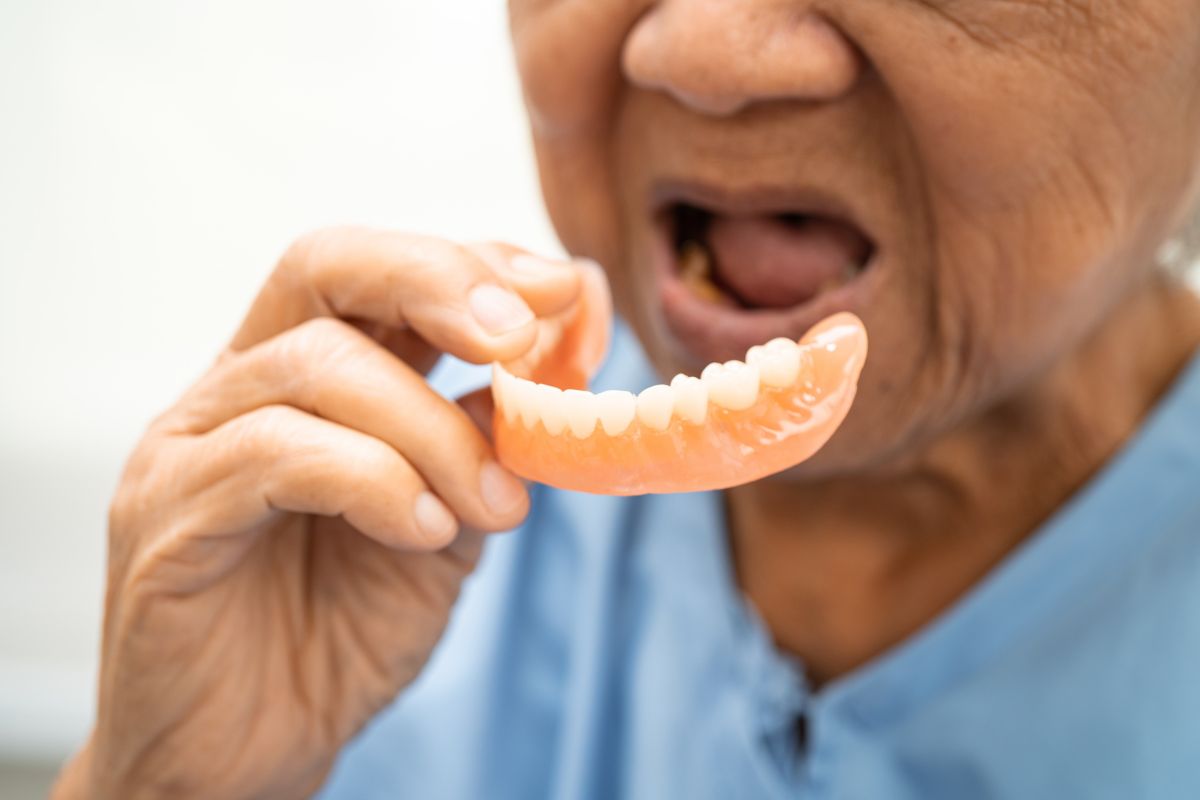
Dentures fill those voids. They act as placeholders. This stops neighbors from wandering. Partial types clasp onto existing teeth. They hold everything steady.
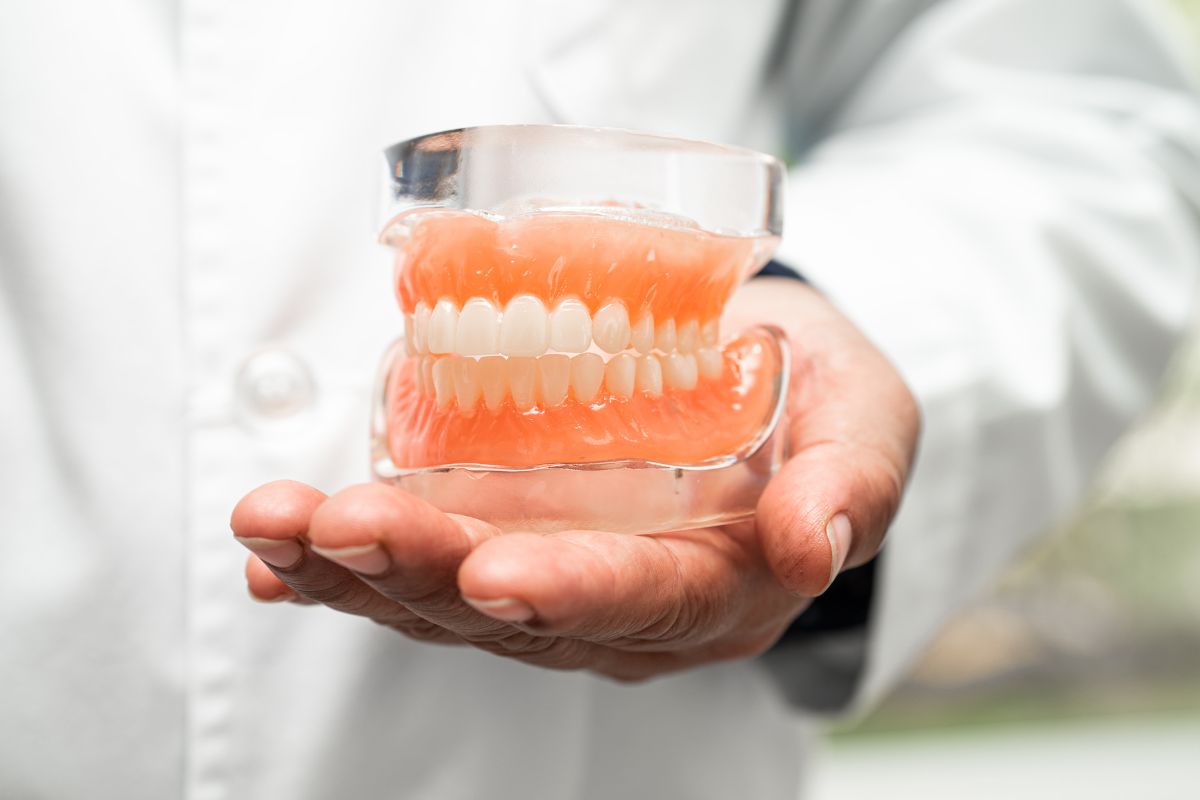
Full sets replace entire arches. Yet partials shine for mixed cases. They support the jaw. Bite force spreads evenly. This reduces strain on survivors.
Studies show timely replacements cut drift risks. Your mouth adapts. Function returns. Confidence boosts.
Types of Dentures and Their Benefits
Options vary by need. Full dentures suit complete loss. They rest on gums. Suction or adhesives secure them.
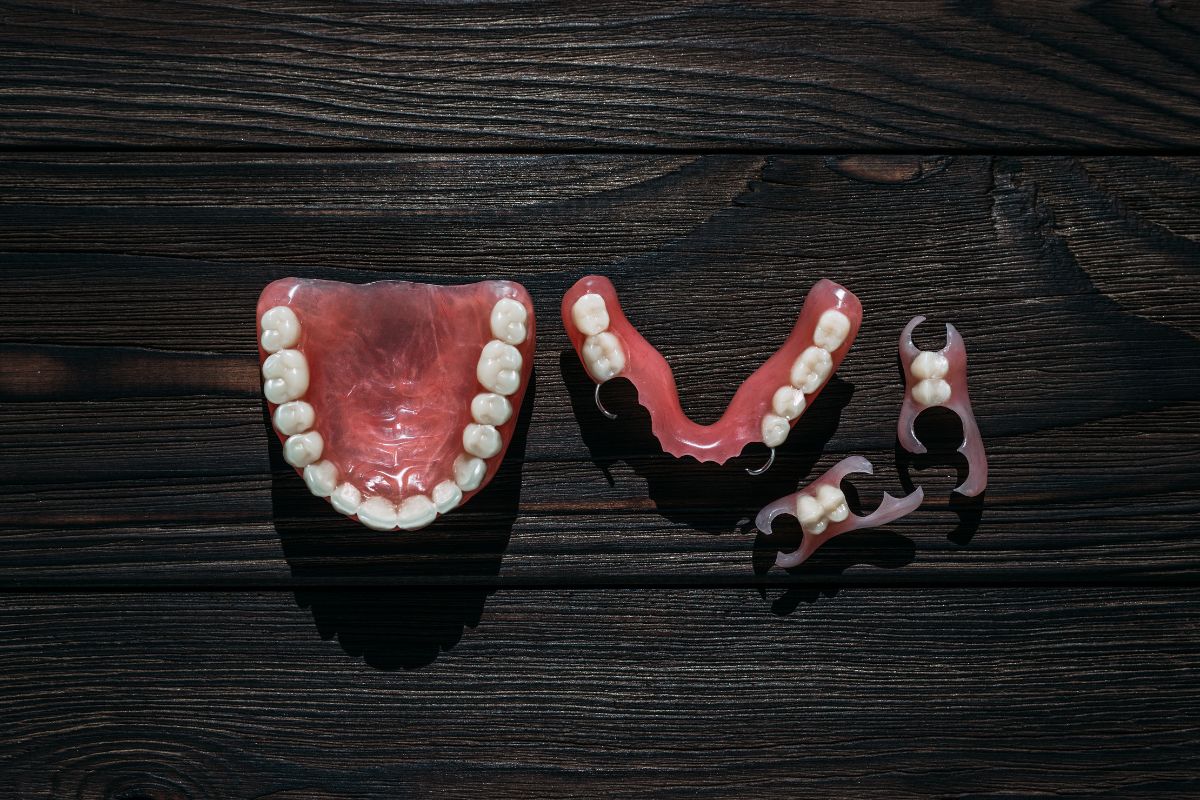
Partial dentures target specific gaps. Metal frameworks anchor them. Acrylic bases blend in. They look natural.
Implant-supported versions add stability. Posts fuse to bone. Dentures snap on. Shifting drops sharply.
Each type aids chewing. Speech improves. Faces retain shape. Oral health thrives.
Statistics on Tooth Shifting
To grasp the scope, consider these key figures. They highlight why addressing gaps promptly is key.
| Statistic | Value | Source Insight |
|---|---|---|
| Adults experiencing some teeth shifting | Up to 70% | Common in lifetimes due to age and habits |
| Adults with missing teeth facing alignment issues | Nearly 30% | Leads to bite problems and further loss |
| Average drift time after extraction | About 81 days | Teeth move 0.8mm per month initially |
| Risk increase from one missing tooth | High | Even single gaps cause chain reactions |
These numbers underscore prevention’s value. Acting fast preserves your smile.
Caring for Dentures to Maximize Effectiveness
Proper upkeep ensures longevity. Clean daily with soft brushes. Avoid harsh pastes. Soak overnight in solutions.
Handle gently. Drops can crack them. Rinse after meals. This clears debris.
Fit checks matter. Gums change shape. Adjustments keep them snug. Loose ones irritate tissues.
Store dry when out. Moisture breeds bacteria. Follow these steps for best results.
If you’re exploring dentures in Bel Air, MD, our expert professionals craft custom fits. They use quality materials for comfort.
Addressing Common Concerns
Many hesitate due to myths. Dentures aren’t bulky anymore. Modern designs feel light.
Adjustment takes weeks. Patience pays off. Eating soft foods helps at first.
They don’t alter taste much. Senses adapt. Regular wear builds habit.
Concerns about slippage fade with good fits. Adhesives assist if needed.
Trending FAQs on Dentures and Tooth Shifting
Here are some frequently asked questions based on what people often search for online. These cover key worries and facts.
- Can dentures really stop my remaining teeth from moving? Yes, especially partial dentures. They fill gaps and provide support, reducing the chance of drift and misalignment.
- What happens if I ignore missing teeth? Nearby teeth shift into the space. This can cause bite issues, jaw pain, and more tooth loss over time. Bone resorption may occur too.
- Are partial dentures better than full ones for preventing shifts? Partial dentures are ideal when some natural teeth remain. They anchor to existing teeth, offering better stability and preventing further movement.
- How long does it take for teeth to shift after a loss? Shifting can start within weeks. On average, noticeable drift happens in about 81 days, with spaces closing by 0.8mm per month initially.
- Do dentures feel natural and comfortable? With proper fitting, yes. Initial adjustment is common, but they restore function and prevent issues like shifting for long-term comfort.
These answers stem from common searches and dental insights.
When to Seek Professional Advice
Signs like gaps or loose teeth signal need. Discomfort while eating hints at shifts.
Routine visits catch problems early. Experts assess your case. They suggest tailored plans.
Don’t wait for pain. Proactive steps save teeth. Your oral health deserves attention.
If changes bother you, schedule an appointment. It starts the path to stability.
Long-Term Oral Health with Dentures
Consistency builds success. Wear them as advised. Clean routines prevent infections.
Monitor for wear. Replacements every 5-7 years keep fits optimal.
Healthy habits like balanced diets support gums. Avoid hard candies. This extends benefits.
In a professional and conversational tone, let’s chat about keeping your smile intact – dentures play a key role in halting those sneaky shifts that can throw off your bite.
Dentures offer more than replacement. They guard against complications. Your daily life improves.
Ready to explore options? Schedule an appointment to discuss how dentures can safeguard your remaining teeth.
Taking that step protects your smile for years. It brings peace of mind. Your mouth will thank you.