
Will Getting Veneers Be a Painful Procedure?
Request Appointment

Many people long for a brighter, straighter smile yet hesitate because they fear pain. The truth is reassuring. Modern veneer techniques keep discomfort to a minimum for most patients. You stay comfortable throughout the visit and notice only brief, mild effects afterward. This guide walks you through every stage so you know exactly what to expect.
Breaking Down the Veneers Procedure
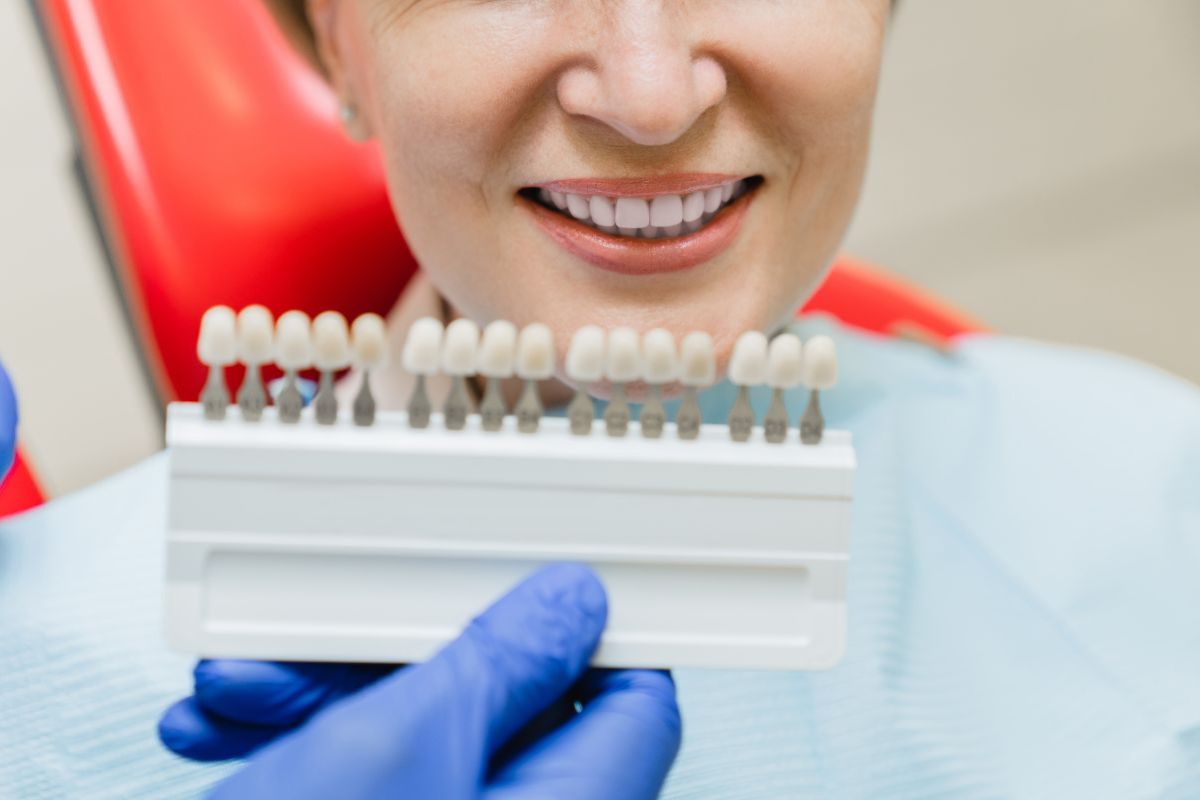
Dentists follow a clear, predictable sequence. It starts with a quick consultation. They examine your teeth, discuss your goals, and take impressions or digital scans. Next comes preparation. A thin layer of enamel is gently removed to create space for the veneers. Then temporary covers protect your teeth while the lab crafts the final pieces. In the last appointment, the permanent veneers are bonded in place. The entire process spreads across two or three short visits.
Step 1: Consultation and Planning
This visit feels more like a conversation than treatment. Your dentist reviews your oral health and designs a custom plan. No tools touch your teeth yet. You leave with clear expectations and zero discomfort.
Step 2: Tooth Preparation
A small amount of enamel comes off the front surfaces. Local anesthesia numbs the area first. You feel only light pressure or vibration from the tools. Most patients describe it as similar to a routine filling.
Step 3: Veneer Placement
The final appointment is quick and straightforward. The dentist checks the fit, applies a special bonding agent, and cures each veneer with a bright light. You feel nothing sharp or painful. Many people relax in the chair and even chat during the process.
Is Tooth Preparation Painful?
This step causes the most worry, yet it rarely hurts. Local anesthesia blocks all sensation in the treated teeth. You may sense the gentle movement of the handpiece, but sharp pain stays away. Dentists use fine burs and sometimes lasers for precision. The goal is minimal enamel removal, often less than half a millimeter. Because nerves stay untouched, discomfort stays low.
What Happens During Veneer Bonding?
Placement feels even easier. No further numbing is usually needed. The dentist cleans the teeth, tries on the veneers, and makes tiny adjustments. Once everything fits perfectly, the bonding agent sets in seconds. You bite down lightly to check your bite. Most patients report a slight cool feeling from the materials but no pain at all.
Post-Procedure Discomfort: What to Expect
After the anesthesia wears off, a few patients notice mild sensitivity to hot or cold for a few days. Others feel slight gum tenderness where the veneers meet the tissue. These sensations typically fade within one to two weeks. Over-the-counter pain relievers help if needed. Soft foods and gentle brushing keep irritation low while your mouth adjusts.
| Procedure Stage | Typical Sensation | Discomfort Level |
|---|---|---|
| Anesthesia injection | Brief pinch | Low |
| Tooth preparation | Light vibration or pressure | None |
| Veneer bonding | Cool sensation from materials | None |
| First 48 hours | Mild sensitivity to temperature | Low to moderate |
| Week 1–2 | Occasional gum tenderness | Low |
Tips to Minimize Any Discomfort
Choose a dentist who explains each step clearly. Good communication reduces anxiety. Stick to soft foods the first day. Avoid very hot or cold drinks until sensitivity settles. Use toothpaste made for sensitive teeth. If you clench at night, ask about a simple night guard to protect the new veneers. These small habits make recovery smooth and quick.
Patients who choose veneers treatment in Bel Air, MD often share the same feedback. They feel surprised by how little they noticed during the visit and how fast normal sensations returned.
Trending FAQs on Veneers Pain
Here are the questions patients ask most often online, with clear answers based on real experiences.
- Are veneers painful during the procedure? No. Local anesthesia keeps you comfortable. Most people feel nothing more than light pressure.
- Will I have pain right after getting veneers? Mild sensitivity or gum tenderness may appear for a few days. It usually passes quickly with simple care.
- How long does tooth sensitivity last after veneers? Temporary sensitivity fades within one to two weeks for the vast majority of patients.
- Can I avoid discomfort completely? Many patients report zero pain beyond the brief anesthetic pinch. Modern tools and techniques make this possible.
- What if I have dental anxiety? Talk to your dentist ahead of time. They can offer calming options and go at a pace that feels right for you.
Why the Results Are Worth It
A beautiful smile boosts confidence in photos, meetings, and everyday moments. Knowing the procedure stays gentle removes the last barrier for many people. You gain lasting results with minimal disruption to your routine.
If you are searching for a cosmetic dentist in Bel Air, MD, these details can help you approach the experience with confidence instead of worry.
Ready to learn more about your options? Reach out today to schedule an appointment.