
How Long Do Dental Implants Actually Last?
Request Appointment

Dental implants offer a strong, natural-looking fix for missing teeth. They restore your smile, speech, and chewing power in ways bridges or dentures often cannot match. Patients frequently ask one key question: how long will these implants really hold up? The good news is clear. With proper care, dental implants deliver impressive longevity that beats most other tooth replacement options.
Understanding the Parts of a Dental Implant
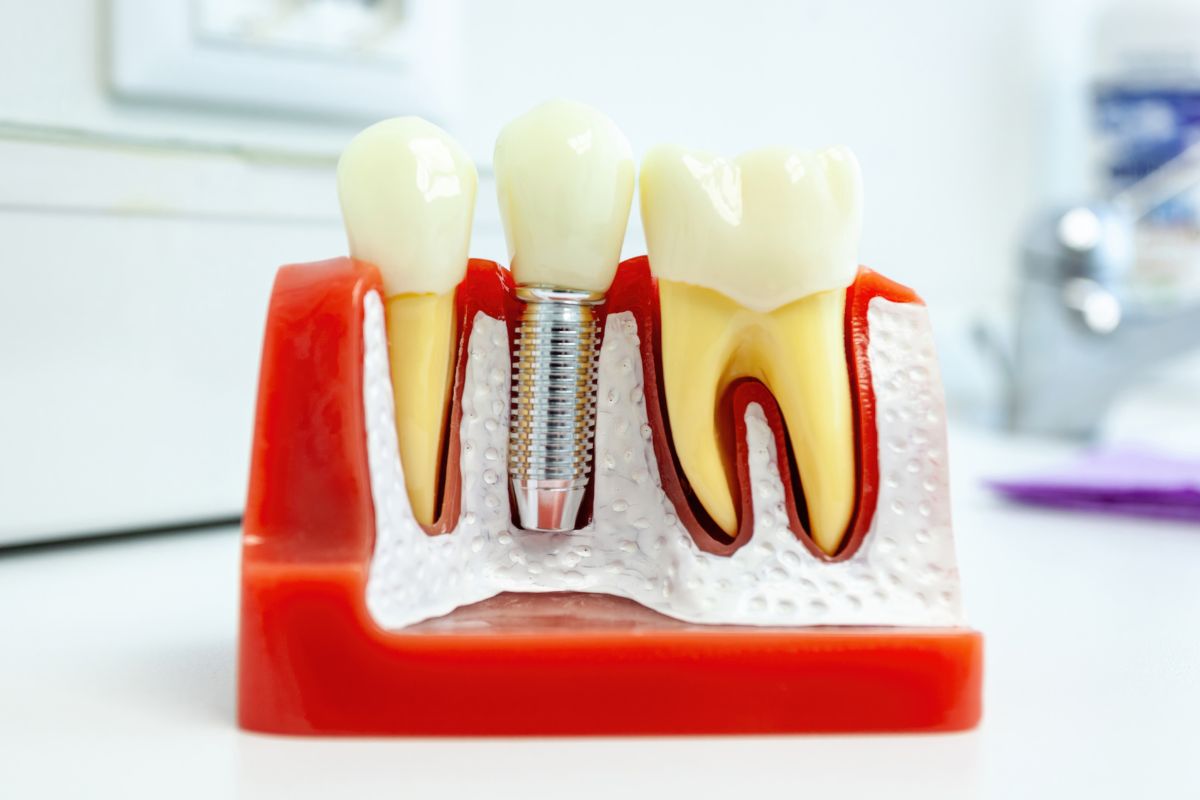
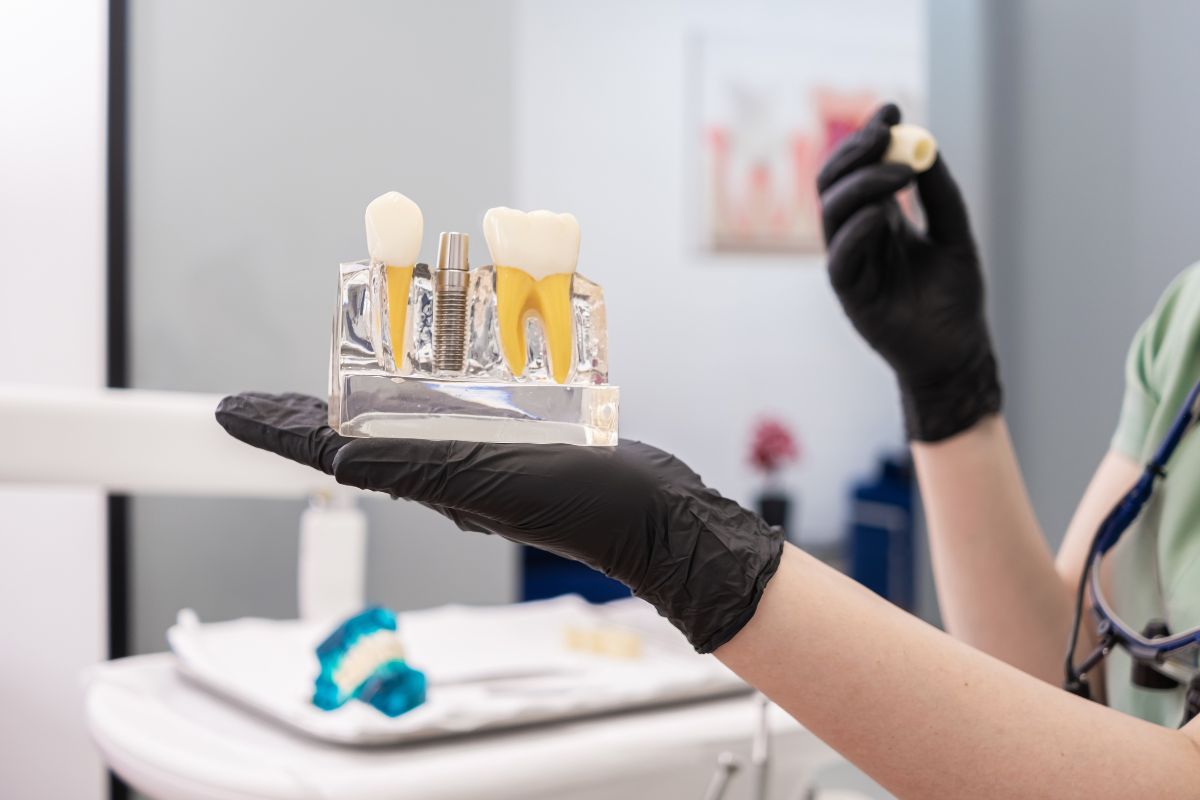
Dental implants consist of three main components. The titanium post acts as an artificial root. It fuses with your jawbone through osseointegration. This bond creates a stable foundation. The abutment connects the post to the visible part. Finally, the crown mimics a natural tooth. Each piece plays a distinct role in overall durability.
The post itself stands out for strength. Made of biocompatible titanium, it integrates directly with bone. This process usually completes within months of placement. Once fused, the post resists daily forces well. The crown, however, faces more wear from chewing and biting. It needs occasional attention over time.
Real-World Lifespan Expectations
Most dental implants last 15 to 25 years or longer. Studies report success rates of 90 to 95 percent after 10 years. Many reach 20 years or beyond with consistent maintenance. In some cases, the implant post functions for a lifetime. The crown typically lasts 10 to 15 years before normal wear may require replacement.
Long-term data backs these figures. Survival rates stay high at 94 percent after 15 years. Even after two decades, well-cared-for implants often perform reliably. Your age, overall health, and daily habits influence exact outcomes. Younger patients who keep up with care see the best results.
Key Factors That Influence Longevity
Several elements determine how long implants endure. Daily oral hygiene tops the list. Brush twice a day. Floss once daily. Use an antimicrobial rinse if recommended. These steps prevent plaque buildup around the implant.
Lifestyle choices matter too. Avoid tobacco. Control conditions like diabetes. Wear a night guard if you grind your teeth. These actions reduce stress on the implant and supporting bone. Regular dental visits allow early detection of any changes. Professional cleanings keep tissues healthy.
Strong periodontal health and implant success go hand in hand. Healthy gums protect the bone that anchors the post. When gum tissue stays firm and inflammation-free, implants integrate better and last longer. Neglect here raises risks like peri-implantitis, which can loosen the foundation.
Common Concerns About Implant Failure
Implant failure remains rare when patients follow guidelines. Early issues usually appear within the first year. Late problems stem from infection or overload. Signs include pain, swelling, or loosening. Prompt care often resolves minor concerns before they worsen.
Bone quality at placement affects stability. Skilled techniques promote solid osseointegration. Patients who maintain follow-up visits catch small problems early. This proactive approach keeps success rates high.
Those who experience our dental implant procedure in Bel Air, MD notice how well the implants integrate over time. The process supports strong bone fusion when combined with attentive aftercare.
Practical Steps to Extend Implant Life
Protect your investment with simple habits. Clean around the implant daily. Schedule checkups every six months. Eat a balanced diet rich in calcium and vitamin D to support bone health. Address any bite issues quickly. These steps minimize wear and maximize lifespan.
Avoid hard foods that strain the crown. Quit smoking if applicable. These changes make a measurable difference. Your dentist can demonstrate proper cleaning techniques tailored to implants. Consistent effort pays off in years of reliable function.
Information on Implant Components
| Component | Expected Lifespan with Proper Care |
|---|---|
| Implant Post | Lifetime (often 25+ years) |
| Abutment | Lifetime |
| Crown | 10–15 years |
This breakdown shows why the full restoration delivers long-term value. The post provides the foundation. The crown handles visible function.
If you are searching for a dentist near you, focus on providers who emphasize ongoing support and detailed follow-up plans. Experience with implant maintenance makes all the difference.
Trending FAQs
- Are dental implants permanent? The post can last a lifetime with proper care. The crown may need replacement after 10–15 years.
- What is the success rate of dental implants? Studies show 90–95 percent success over 10 years. Rates stay strong at 94 percent after 15 years.
- Can dental implants fail?
- Yes, but rarely. Most failures link to poor hygiene, smoking, or untreated gum issues. Early action prevents them.
- How long does a dental implant crown last? Typically 10–15 years. Normal wear prompts replacement while the post remains intact.
- How can I make my dental implants last longer? Brush and floss daily. Visit your dentist every six months. Avoid tobacco and grinding.
Dental implants continue to set the standard for tooth replacement. They fuse with your jawbone. They restore full function. And they deliver years of confidence when you care for them well. The path to lasting results starts with smart choices today.
Reach out to schedule an appointment. Take the first step toward a smile that stands the test of time.