
Can Dental Implants Help Stop Shifting Teeth?
Request Appointment

A missing tooth may seem like a cosmetic concern at first, but the effects can extend far beyond appearance. Teeth naturally rely on each other for support and alignment. When a gap remains untreated, nearby teeth can begin moving into that open space over time. Small shifts may eventually affect your bite, chewing ability, and overall oral health.
Understanding how missing teeth influence the rest of your smile is important. Many people are surprised to learn that replacing a tooth is not only about restoring appearance. It also helps preserve the structure and stability of the entire mouth.
Why Do Teeth Shift After Tooth Loss?
Your teeth work together like a balanced system. Each tooth helps maintain spacing and positioning. Once a tooth is lost, that balance changes.
Nearby teeth may slowly drift toward the empty area. Opposing teeth can also move because they no longer have contact support. This process can lead to:
- Uneven bite pressure
- Crowding and spacing problems
- Difficulty cleaning between teeth
- Increased wear on surrounding teeth
- Jaw discomfort during chewing
These changes often happen gradually, making them easy to overlook until they become noticeable.
How Can Replacing a Missing Tooth Help?
Replacing a missing tooth creates support where it is needed. Instead of leaving an empty space, restoration helps maintain natural alignment and function.
A tooth replacement can:
- Help preserve proper spacing
- Support normal chewing patterns
- Reduce strain on nearby teeth
- Maintain bite balance
- Improve smile appearance
Early treatment may also prevent future complications from developing.
Can Dental Implants Prevent Teeth From Moving?
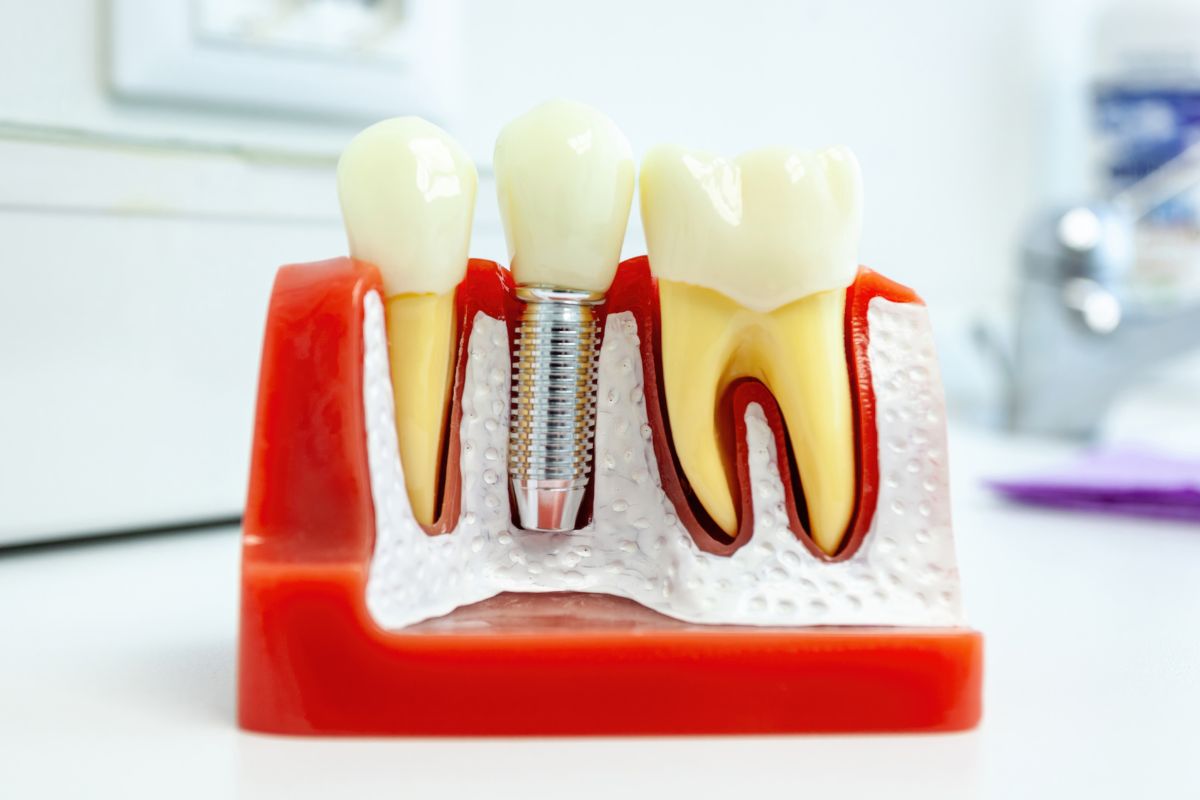
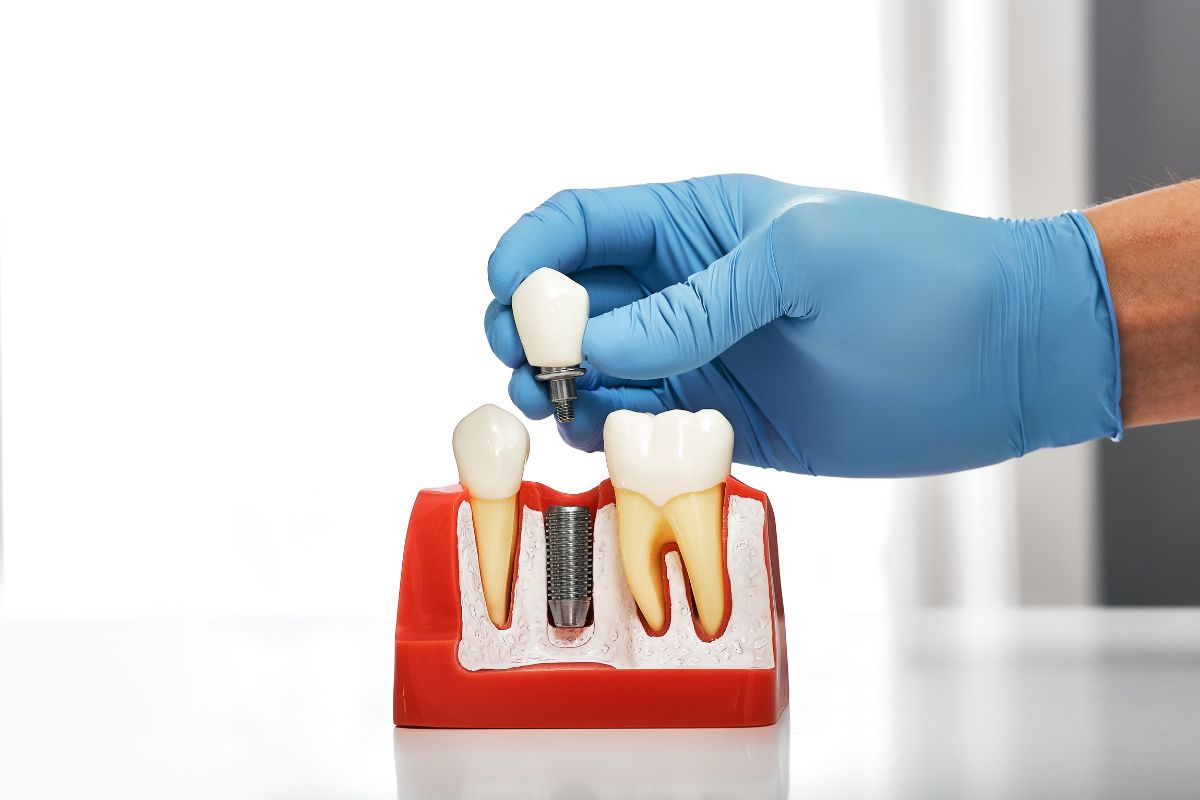
Yes. Dental implants are designed to function like natural tooth roots. They provide support beneath the gum line and help maintain stability in the surrounding area.
Many people considering dental implants in Bel Air want more than a complete smile. They want a long-term solution that helps preserve the position of neighboring teeth and supports everyday comfort.
What Makes Dental Implants Different?
Unlike some replacement options, implants integrate with the jawbone. This creates a stable foundation that can help maintain the natural structure of your mouth.
Benefits may include:
| Function | Potential Benefit |
|---|---|
| Tooth support | Helps maintain spacing |
| Bite stability | Supports even chewing |
| Jawbone stimulation | Helps maintain bone structure |
| Natural feel | Functions similarly to natural teeth |
Because they act similarly to natural roots, implants help support both appearance and oral function.
What Happens If You Wait Too Long?
Waiting to replace missing teeth can create challenges over time. Teeth may continue shifting, and bite changes can become more noticeable.
You may experience:
- Difficulty chewing certain foods
- Uneven tooth wear
- Speech changes
- Increased plaque buildup in crowded areas
- Greater stress on remaining teeth
Early evaluation allows dental professionals to assess changes before they become more significant.
During consultations, our dentists often explain that preserving healthy alignment today may help reduce future oral complications.
Who Might Benefit From This Type of Tooth Replacement?
Many adults with one or more missing teeth ask whether they are candidates. Several factors influence eligibility, including oral health, gum condition, and jawbone support.
If you are searching for an expert dentist in Bel Air, discussing your individual needs with a dental professional can provide a clearer understanding of available options and expected outcomes.
Dr. Brian Fann believes that patient education plays an important role in helping people make informed decisions about their long-term oral health.
Trending FAQs
People frequently ask these questions online about missing teeth and implants:
- Can teeth shift after losing one tooth?
Yes. Nearby teeth can gradually move into the empty space. - How fast do teeth begin shifting?
Movement varies by person and may start within months. - Do dental implants feel like natural teeth?
Many people say they feel stable and function similarly to natural teeth. - Can shifting teeth affect my bite?
Yes. Changes in alignment may alter chewing patterns. - Can a missing tooth affect surrounding teeth?
Yes. Adjacent teeth may drift or tilt over time.
What Steps Should You Take Next?
Taking action after losing a tooth can support both your smile and your oral health. Tooth movement often happens slowly, but its effects can influence comfort and function for years. Learning about available treatment options gives you the opportunity to protect the balance of your teeth and preserve a healthier smile.
If you have been looking for a trusted dental professional close to your area rather than simply searching for a dental provider nearby, a personalized evaluation can help determine the next step toward maintaining long-term oral health and preventing future shifting concerns.