
How Long Can Dental Bonding Last for Patients in Bel Air?
Request Appointment

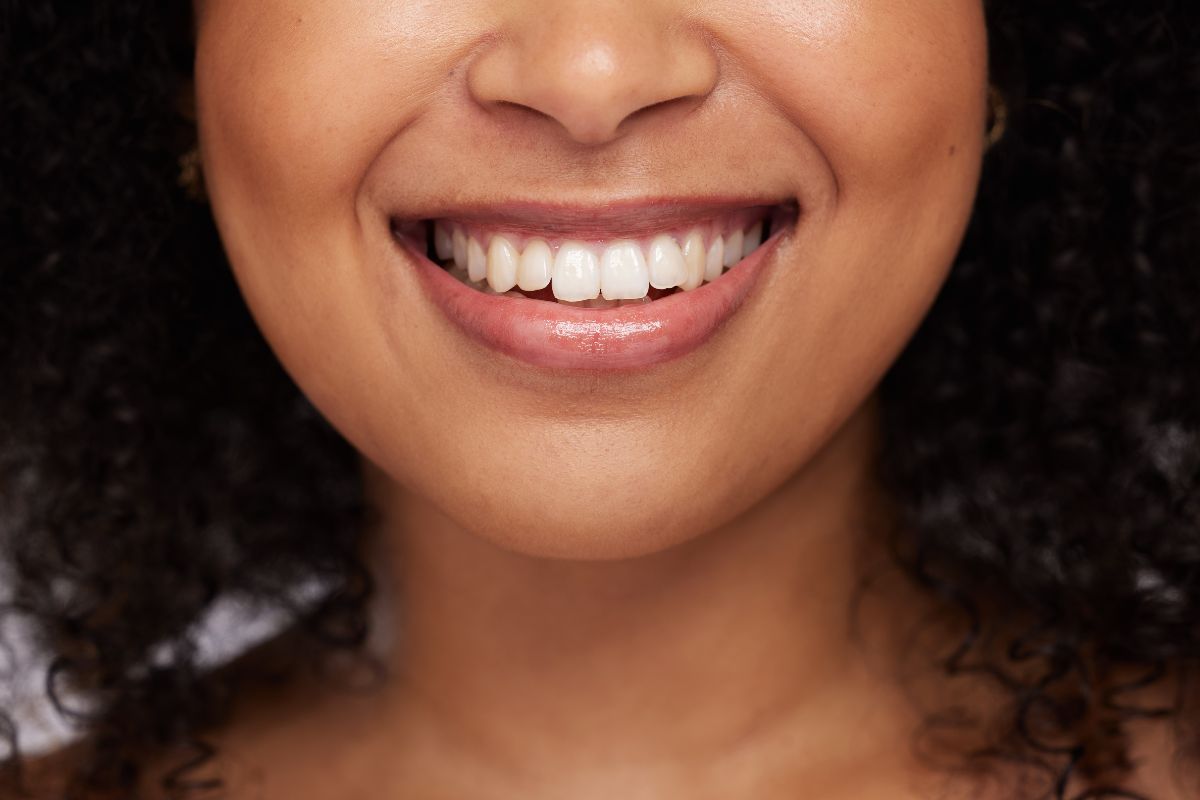
A bright and balanced smile can make daily interactions feel easier and more comfortable. Dental bonding remains one of the most popular cosmetic dental treatments because it corrects chips, gaps, uneven edges, and discoloration in a simple, minimally invasive way. Many patients considering this treatment often ask the same question: how long will the results actually last?
The answer depends on several factors, including oral habits, dental hygiene, lifestyle choices, and the location of the bonded tooth. With proper care, dental bonding can remain strong and attractive for years while supporting a natural-looking smile.
Understanding Dental Bonding
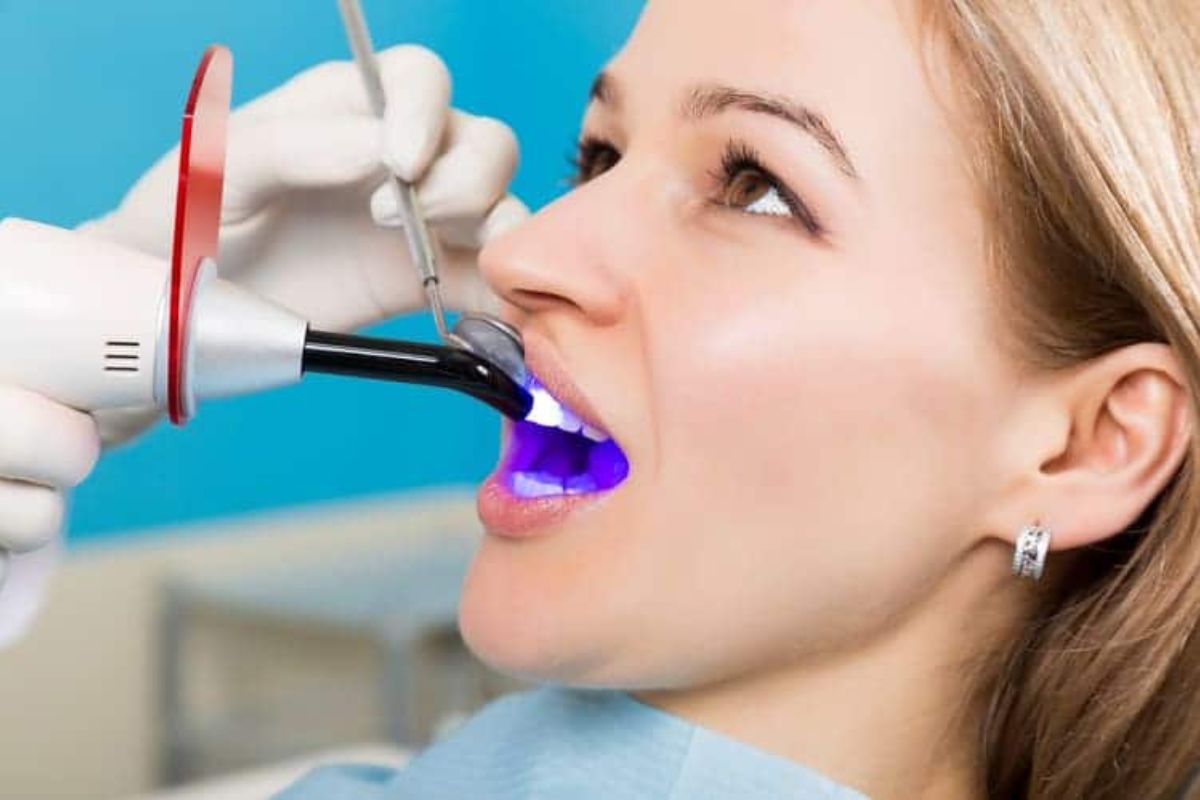
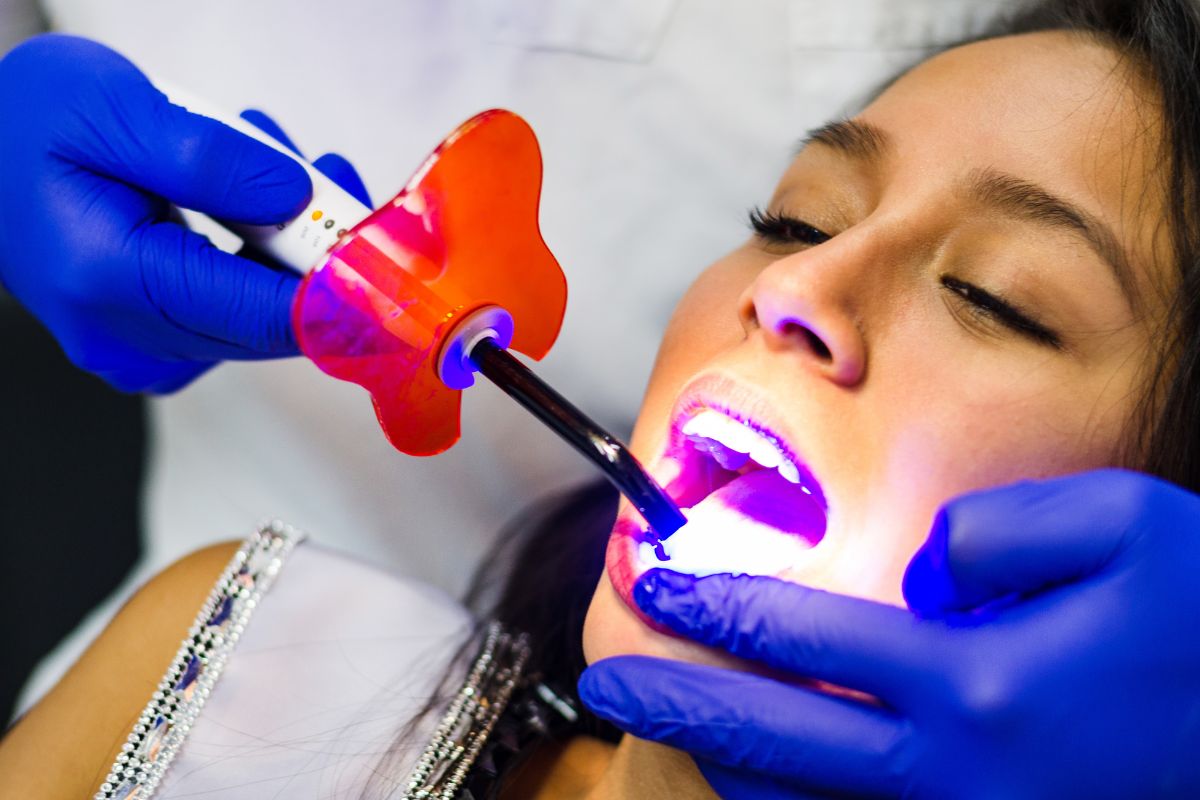
Dental bonding is a cosmetic procedure that uses tooth-colored composite resin to improve the appearance of teeth. The material is carefully shaped, hardened with a special curing light, and polished to blend naturally with surrounding teeth.
Bonding is commonly used for:
- Repairing chipped teeth
- Closing small gaps
- Improving tooth shape
- Covering discoloration
- Protecting exposed tooth roots
- Making teeth appear more even
Unlike some cosmetic treatments, bonding usually requires minimal enamel removal. This makes it a conservative option for patients who want noticeable results without extensive dental work.
How Long Does Dental Bonding Typically Last?
Most bonding treatments can last between 3 and 10 years, depending on how well the teeth are maintained. Front teeth may exhibit different wear patterns than molars because they are exposed to biting pressure differently.
Patients who maintain healthy habits often enjoy longer-lasting results. Regular dental cleanings and examinations also help identify small issues before they become larger concerns.
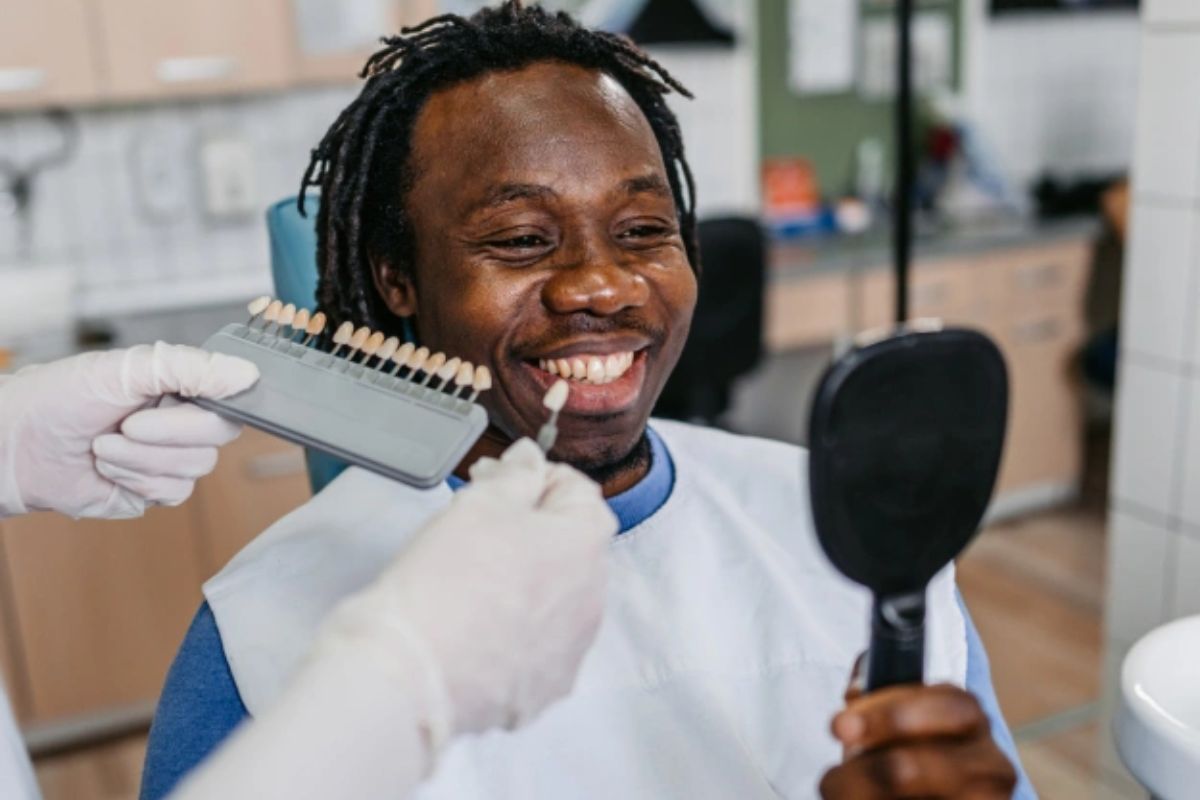
Many people seeking smile-enhancement solutions choose our dental bonding in Bel Air for its natural appearance and ability to efficiently correct minor cosmetic concerns.
Factors That Affect the Lifespan of Dental Bonding
Daily Oral Hygiene Habits
Good oral hygiene plays a major role in preserving bonded teeth. Brushing twice daily, flossing regularly, and using non-abrasive toothpaste help maintain the resin’s smooth surface.
Poor hygiene may lead to staining, plaque buildup, or gum irritation around the bonded area.
Teeth Grinding and Clenching
Grinding or clenching teeth can place excessive pressure on the bonding material. This may cause chipping or premature wear over time.
Patients who grind their teeth during sleep may benefit from a custom night guard to help protect both natural teeth and bonded surfaces.
Food and Beverage Choices
Certain foods and drinks can stain composite resin. Coffee, tea, red wine, berries, and dark sauces may gradually discolor bonding material.
Unlike natural enamel, bonding resin does not respond to whitening treatments. Limiting stain-causing foods and rinsing after meals can help preserve appearance.
Biting Hard Objects
Chewing ice, biting fingernails, or opening packages with teeth can damage bonded teeth. The resin is durable, but it is not indestructible.
Avoiding these habits significantly improves longevity.
Signs That Dental Bonding May Need Attention
Over time, bonding may begin to show signs of wear. Patients should watch for:
- Rough edges
- Small chips
- Discoloration
- Changes in texture
- Separation near the tooth surface
Routine dental visits help identify these issues early. In many situations, minor repairs can restore the bonded area without replacing the entire treatment.
Quick Overview of Dental Bonding Durability
| Factor | Effect on Bonding Longevity |
|---|---|
| Excellent oral hygiene | Helps bonding last longer |
| Smoking or tobacco use | Increases staining risk |
| Teeth grinding | Raises chance of chipping |
| Regular dental checkups | Supports early maintenance |
| Frequent dark beverages | May cause discoloration |
| Avoiding hard foods | Protects bonding material |
How Dental Bonding Compares to Other Cosmetic Treatments
Dental bonding is often chosen because it is conservative and efficient. While veneers and crowns may offer longer durability in some cases, bonding remains appealing for minor cosmetic corrections.
Bonding also preserves more natural tooth structure. This makes it an excellent option for patients seeking subtle improvements without extensive procedures.
An experienced cosmetic provider can determine whether bonding is appropriate based on the condition of the teeth and long-term smile goals.
Tips to Make Dental Bonding Last Longer
Maintain Consistent Dental Visits
Professional cleanings remove plaque and surface stains that regular brushing may miss. Routine exams also help monitor the integrity of bonded teeth.
Many patients searching for a cosmetic dentist near Bel Air choose practices that focus on preventative care alongside cosmetic dentistry.
Use a Soft-Bristled Toothbrush
Hard-bristled brushes may scratch bonding material over time. Soft bristles help protect both the resin and the surrounding enamel.
Wear Protection During Sports
Athletic mouthguards help reduce dental trauma during physical activity. This is especially important for patients with bonding on front teeth.
Limit Tobacco Products
Smoking and tobacco use can quickly discolor bonding resin. Avoiding tobacco helps maintain a brighter and cleaner smile.
Frequently Asked Questions About Dental Bonding
Patients frequently search online for answers before choosing cosmetic dental treatment. Here are some of the most common questions people ask.
- Does dental bonding stain easily?
Bonding can stain over time, especially with frequent exposure to coffee, tea, red wine, or tobacco products. Good oral hygiene and regular cleanings help minimize discoloration. - Can dental bonding break?
Yes, bonding may chip or crack if exposed to excessive pressure or trauma. Avoid chewing hard objects and consider a night guard if you grind your teeth. - Is dental bonding permanent?
Bonding is long-lasting but not permanent. The material may eventually need touch-ups or replacement due to wear. - Can bonded teeth be whitened?
No. Composite resin does not respond to whitening treatments the same way natural enamel does. - Is dental bonding noticeable?
Modern bonding materials are designed to closely match natural teeth. When performed properly, bonding blends seamlessly into the smile.
Why Personalized Care Matters
Every smile is unique. The longevity of bonding often depends on careful treatment planning and attention to detail. Tooth alignment, bite pressure, enamel condition, and lifestyle habits all influence results.
Patients benefit from customized recommendations based on their oral health and cosmetic goals. A personalized approach helps create natural-looking results that remain functional and attractive over time.
If you are considering cosmetic improvements for chipped, uneven, or stained teeth, now may be the right time to schedule an appointment and learn whether dental bonding is suitable for your smile goals. Professional guidance can help you understand how to protect your results and maintain long-term confidence in your appearance.
A healthy and attractive smile can positively affect everyday life, from professional interactions to social confidence. Dental bonding remains a trusted cosmetic option for patients seeking conservative treatment with natural-looking results. With proper care and routine dental visits, bonded teeth can remain strong, polished, and aesthetically pleasing for many years.