
Can a Tooth Extraction Cause Nearby Tooth Pain?
Request Appointment

Have you ever pulled a tooth and then noticed an unexpected ache in the ones next door? It’s a surprise many face after dental work. This discomfort can feel puzzling, but it’s often part of the healing process. Let’s dive into why this happens and how to handle it with ease.
What Happens During a Tooth Extraction?
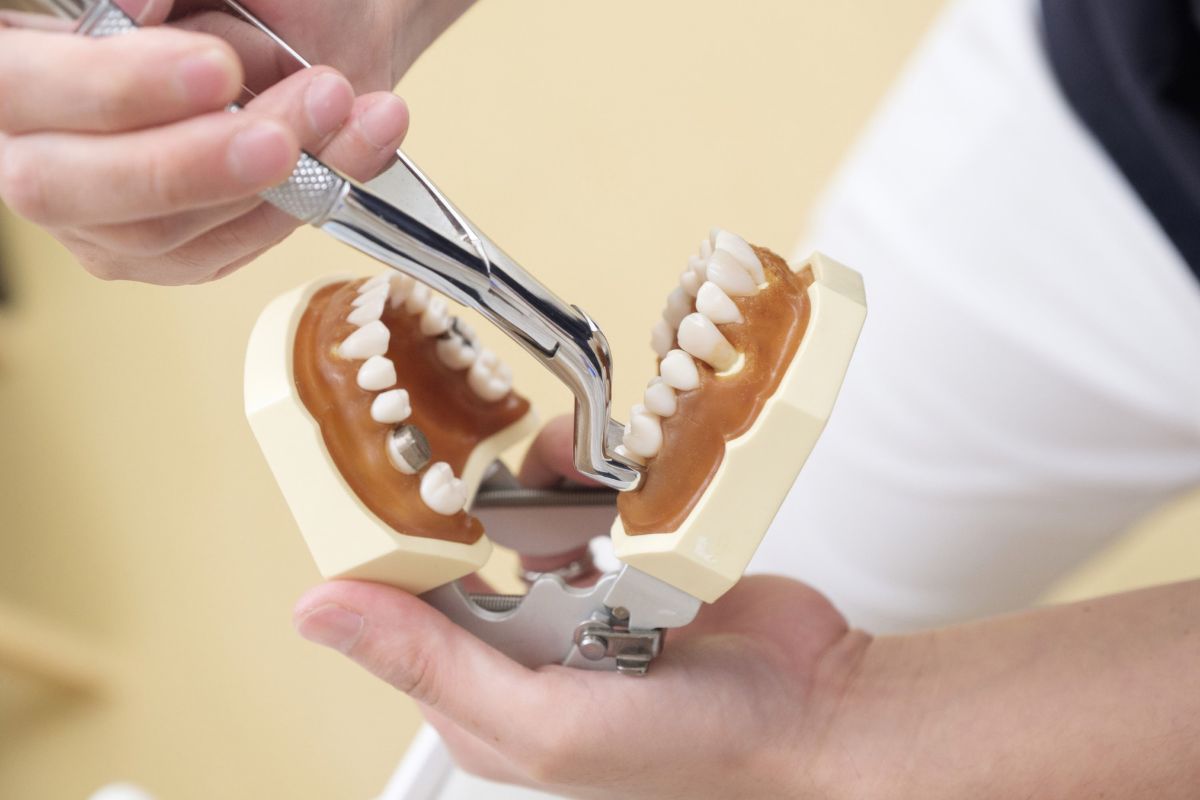
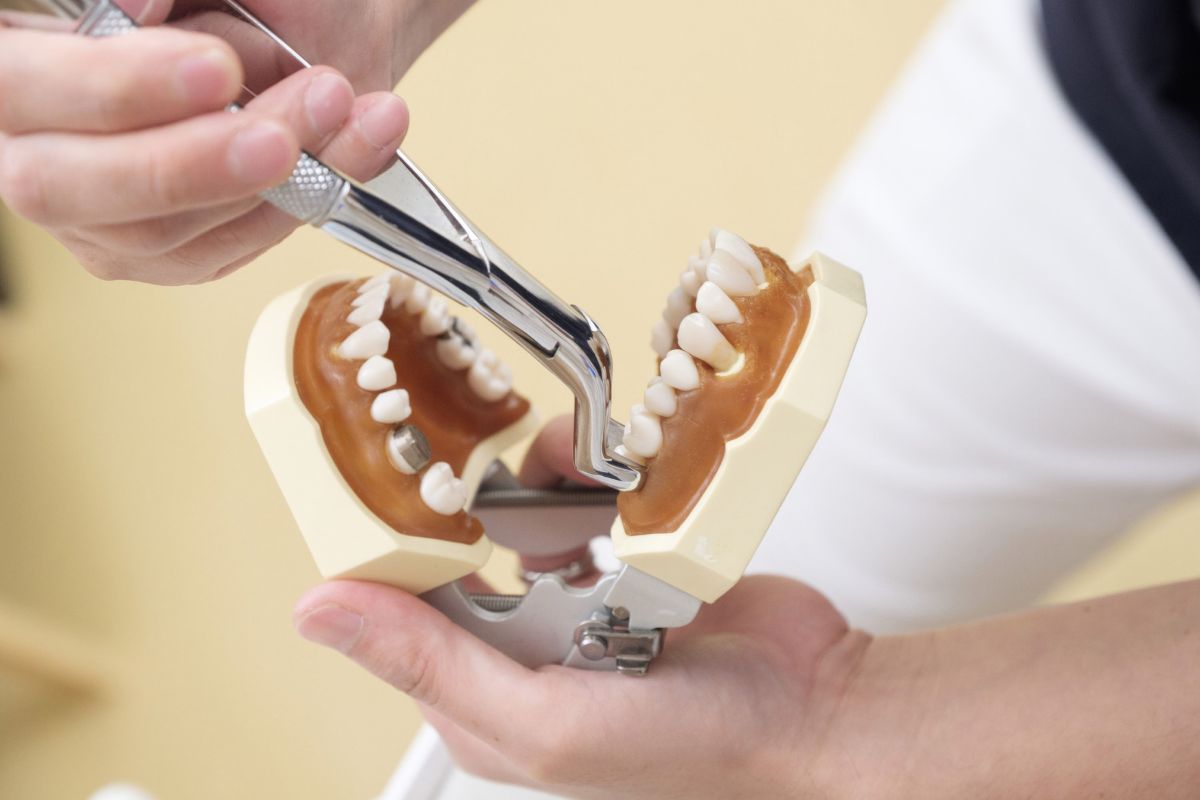
A tooth extraction removes a damaged or problematic tooth from its socket. Dentists perform this when decay, infection, or crowding demands it. The procedure uses local anesthesia to numb the area. Tools gently loosen the tooth before removal. Gums may get stitches if needed. Recovery starts right after, with a focus on rest.
Healing involves blood clotting at the site. This clot protects the bone and nerves below. Swelling and mild bleeding are typical in the first day. Soft foods help avoid irritation. Rinsing with salt water keeps things clean.
Why Might Nearby Teeth Hurt After Extraction?
Pain in adjacent teeth can stem from several sources. Inflammation often spreads from the extraction site. Tissues swell, pressing on nearby roots. This creates a throbbing sensation.
Radiating discomfort is another factor. Nerves connect teeth closely. Signals from the pulled tooth can echo to others. It’s like a ripple effect in the mouth.
Nerve irritation during the process adds to this. Tools or pressure might affect shared nerves. This leads to temporary tingling or sharpness in surrounding areas.
Dry socket stands out as a key issue. It occurs when the clot dislodges too soon. Exposed bone causes intense pain that spreads. Smoking or sucking through straws raises this risk.
Shifting teeth play a role over time. The empty space lets neighbors drift. This misalignment puts extra stress on them. Bite changes can worsen the ache.
Jaw strain from the procedure contributes too. Muscles tense up during opening wide. This soreness can mimic tooth pain nearby.
When Is Nearby Tooth Pain Normal?
Some discomfort after extraction is expected. It peaks in the first 48 hours. Mild ache in adjacent teeth often fades within a week. Ice packs reduce swelling fast.
Watch for signs that need attention. Pain that worsens after day three could signal dry socket. Fever or pus points to infection. Persistent numbness suggests nerve concerns.
Most people heal without issues. Studies show minor pain affects about 70% post-procedure. Severe cases are rare, under 5%.
Here’s a quick look at common post-extraction stats:
| Complication | Incidence Rate | Typical Duration |
|---|---|---|
| Dry Socket | 2-5% | 5-10 days |
| Infection | 1-2% | 7-14 days |
| Swelling | 80-90% | 2-3 days |
| Nerve Irritation | 1-3% | 1-2 weeks |
These numbers highlight that while pain happens, it’s often short-lived.
How to Manage Pain in Nearby Teeth
Start with over-the-counter relief. Ibuprofen cuts inflammation well. Follow doses carefully.
Apply cold compresses outside the cheek. Do this for 15 minutes on, then off. It numbs the area gently.
Rest your jaw. Avoid hard chewing on that side. Opt for soups, yogurt, or smoothies.
Keep the mouth clean. Gentle brushing skips the site at first. Saltwater rinses soothe without harm.
Elevate your head when sleeping. This drains fluids away. It lessens pressure on teeth.
If pain lingers, note patterns. Track what eases or worsens it. This helps during follow-ups.
For those undergoing tooth extractions in Bel Air, MD, local care options focus on gentle techniques to minimize these effects.
Preventing Long-Term Issues with Surrounding Teeth
Replacing the missing tooth stops shifting. Implants offer a stable fix. They blend with natural bone.
Bridges connect to adjacent teeth. This keeps alignment steady.
Veneers provide a cosmetic boost. They cover fronts for a seamless look.
Regular check-ups catch problems early. Cleanings remove buildup that could irritate.
Maintain good habits daily. Brush twice, floss once. This supports overall strength.
If you are searching for a dentist near you, finding one with experience in post-extraction care makes a difference.
Trending FAQs on Tooth Extraction and Nearby Pain
Many wonder about this topic. Here are some top questions people ask, with clear answers:
- How long does pain in nearby teeth last after extraction? It usually eases in 3-7 days. If it builds, check for dry socket or infection.
- Why does the tooth next to the extraction site hurt? Inflammation, nerve signals, or pressure from shifting can cause it. Rest and ice often help.
- Is it normal for other teeth to ache after wisdom tooth removal? Yes, due to jaw strain or swelling. It should fade, but monitor for complications.
- What if pain spreads to my jaw or ear after extraction? This could be referred pain from muscles or nerves. See a professional if it persists.
- Can dry socket cause pain in surrounding teeth? Absolutely, as it exposes nerves and radiates discomfort. Avoid smoking to prevent it.
These cover common concerns based on frequent searches.
Experiencing nearby tooth pain after an extraction can unsettle anyone, but knowledge empowers better recovery. Listen to your body and act on unusual signs. With proper care, most return to normal quickly. To schedule an appointment, reach out for personalized guidance today.