
What to Expect During the Dental Implant Healing Timeline in Bel Air
Request Appointment

Replacing a missing tooth is about more than restoring your smile—it helps protect your oral health, preserves jawbone strength, and makes everyday activities like eating and speaking more comfortable. If you’re considering dental implants in Bel Air, one of the most common questions is, “How long does the healing process take?”
Every patient heals at a slightly different pace, but understanding the general timeline can help you feel prepared and confident before treatment. From the day your implant is placed to the moment your custom restoration is attached, each stage plays an important role in creating a stable, long-lasting result.
Why Healing Is So Important for Dental Implants
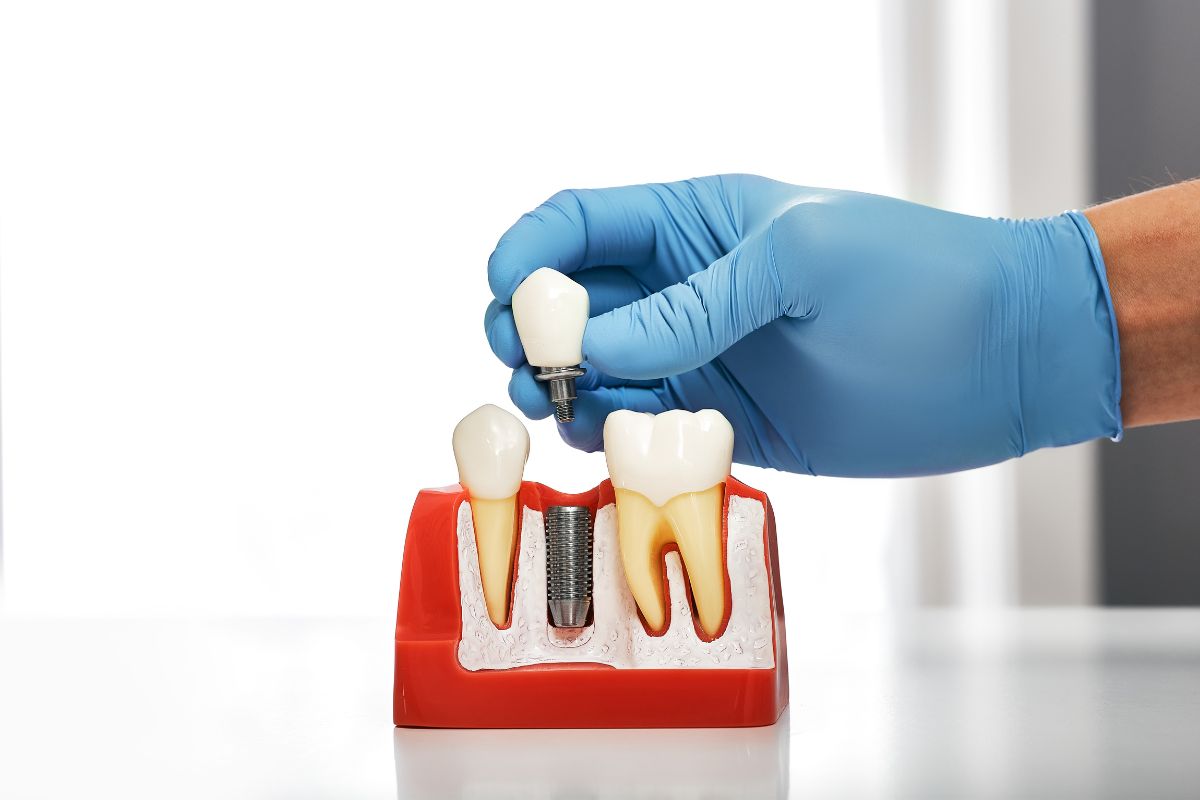
Unlike dentures or bridges, dental implants become part of your jawbone through a natural process called osseointegration. During this stage, the titanium implant gradually bonds with the surrounding bone, creating a secure foundation for your replacement tooth.
This healing period is what makes dental implants one of the most reliable options for replacing missing teeth. While it requires patience, the result is a restoration that looks, feels, and functions much like a natural tooth.
Stage 1: The First 24 to 72 Hours
Immediately after implant placement, it’s normal to experience mild side effects such as:
- Minor swelling around the surgical site
- Light bleeding during the first day
- Mild tenderness
- Slight jaw stiffness
These symptoms typically improve within a few days. Applying an ice pack as directed, taking prescribed medications, and following your dentist’s post-operative instructions can make recovery much more comfortable.
Many patients are surprised that they can return to desk work or other light activities within a day or two.
Stage 2: The First Two Weeks
During the first couple of weeks, your gums begin healing around the implant.
At this stage, you’ll likely notice:
- Reduced swelling
- Less discomfort each day
- Healthier gum tissue
- Improved comfort while eating soft foods
Although you may feel much better, the implant is still healing beneath the surface. It’s important to avoid chewing directly on the implant area until your dentist says it’s safe.
Keeping the area clean is equally important. Gentle brushing and careful oral hygiene help reduce the risk of infection while supporting healthy tissue healing.
Stage 3: Osseointegration Begins
The next phase is the most critical part of the process.
Over the following several months, your jawbone gradually fuses with the implant. This biological process creates the stability needed to support a dental crown, bridge, or implant-supported denture.
Most patients don’t notice anything unusual during this stage because the healing occurs below the gums. Even though you may feel completely normal, your implant is continuing to strengthen every day.
Your dentist will schedule follow-up appointments to monitor healing and ensure everything is progressing as expected.
Factors That Can Affect Healing Time
No two patients heal exactly alike. Several factors influence how quickly your implant integrates with the jawbone.
These include:
- Overall health
- Bone density
- Gum health
- Smoking or tobacco use
- Diabetes management
- Following post-operative instructions
- Oral hygiene habits
Patients with healthy gums and good oral hygiene often experience smoother healing. If additional procedures, such as bone grafting, are needed before implant placement, the overall treatment timeline may be longer.
When Is the Final Crown Placed?
Once your dentist confirms that the implant has fully integrated with your jawbone, the final restoration can be completed.
This usually involves:
- Taking digital impressions.
- Designing a custom dental crown.
- Matching the crown to your surrounding teeth.
- Securing the restoration to the implant.
The finished crown is designed to blend naturally with your smile while restoring comfortable chewing and speaking.
Most patients find it difficult to distinguish their implant from their natural teeth.
Tips for a Smooth Recovery
Following your dentist’s recommendations can help reduce complications and support successful healing.
Helpful tips include:
- Eat soft foods during the first several days.
- Stay hydrated.
- Avoid smoking or vaping.
- Brush gently around the surgical site.
- Attend every scheduled follow-up appointment.
- Take medications exactly as directed.
- Avoid strenuous exercise for the first day or two.
Small daily habits can have a significant impact on long-term implant success.
Signs Your Implant Is Healing Normally
Many patients worry that something may be wrong during recovery. Fortunately, most healing follows a predictable pattern.
Healthy signs include:
- Gradually decreasing tenderness
- Reduced swelling after several days
- Healthy pink gum tissue
- Stable implant with no movement
- Improved comfort each week
If you experience severe pain, prolonged swelling, heavy bleeding, fever, or a loose implant, contact your dental office promptly for evaluation.
Why Experience Matters
Dental implant treatment requires careful planning, precise placement, and ongoing monitoring throughout the healing process.
An experienced dental team evaluates factors such as bone quality, bite alignment, and overall oral health before recommending treatment. Modern imaging technology also allows for highly accurate implant planning, helping improve both comfort and long-term outcomes.
Choosing a practice that emphasizes personalized care ensures your treatment plan is designed specifically for your needs rather than using a one-size-fits-all approach.
Restoring More Than Your Smile
A successful dental implant does more than replace a missing tooth. It helps maintain jawbone health, supports neighboring teeth, improves chewing efficiency, and allows you to smile with confidence.
Understanding the healing timeline helps set realistic expectations and encourages patients to stay committed to every stage of recovery. While healing takes time, the long-term benefits often make the investment worthwhile.
If you’re exploring dental implants in Bel Air, scheduling a consultation is the best way to learn whether implants are right for your smile and receive a personalized treatment plan based on your oral health goals.
FAQs
How long does it take for dental implants to heal?
Initial gum healing usually occurs within one to two weeks, while the implant typically integrates with the jawbone over several months before the final restoration is placed.
Is dental implant surgery painful?
Most patients report only mild discomfort after the procedure. Local anesthesia keeps you comfortable during treatment, and any soreness afterward is generally manageable with recommended medications.
Can I eat normally after getting a dental implant?
You’ll usually begin with soft foods during the first several days. As healing progresses and your dentist approves, you can gradually return to your regular diet.
What can slow down dental implant healing?
Smoking, poor oral hygiene, uncontrolled diabetes, and failing to follow post-operative instructions can all delay healing and increase the risk of complications.
Are dental implants worth the healing time?
For many patients, yes. Dental implants provide a stable, natural-looking tooth replacement that supports jawbone health and can offer long-term function with proper care.