
What Causes Stubborn Stains That Toothpaste Can’t Remove?
Request Appointment

Have you ever looked in the mirror and noticed those pesky spots on your teeth that just won’t budge, no matter how much you brush? It’s frustrating, right? You’re not alone in this. Many people deal with discoloration that goes beyond what everyday toothpaste can handle. Let’s dive into the reasons behind these tough stains and explore ways to tackle them effectively.
Understanding the Types of Teeth Stains
Teeth stains come in different forms, and knowing the type helps explain why some are so hard to remove. There are two main categories: extrinsic and intrinsic.
Extrinsic stains sit on the surface of your enamel. These often result from what you eat or drink. Think of them as the easier ones to manage with good habits, but when they build up, they can become stubborn.
Intrinsic stains, on the other hand, affect the inner layers of your teeth. These are deeper and trickier. They form within the dentin, the layer beneath the enamel. Regular brushing won’t touch them because the discoloration is embedded.
A mix of both can happen too. Over time, surface issues might seep deeper if not addressed.
Common Causes of Extrinsic Stains
Let’s start with the surface-level culprits. These are often linked to daily choices.
Dark beverages like coffee, tea, and red wine are big offenders. Their pigments cling to enamel, especially if you sip them often.
Tobacco use is another major cause. Smoking or chewing leaves tar and nicotine that create yellow or brown marks. These build up quickly and resist basic cleaning.
Certain foods add to the problem. Berries, soy sauce, and tomato-based items have strong colors that stick around.
Poor oral hygiene plays a role here. Skipping floss or irregular brushing lets plaque harden into tartar, trapping stains.
Exploring Intrinsic Stains and Their Triggers
Deeper stains have different roots. These often stem from factors beyond your control.
Medications can be a source. Antibiotics like tetracycline, taken during childhood, may cause gray or brown bands.
Excess fluoride exposure, known as fluorosis, leads to white spots or streaks. This happens from too much in water or products early in life.
Trauma to a tooth might darken it. Injury can damage blood vessels inside, causing discoloration over time.
Aging naturally thins enamel, revealing the yellower dentin below. It’s a common shift as years pass.
Genetics sometimes factor in. Some people inherit thinner enamel or prone-to-stain traits.
How Lifestyle and Habits Contribute
Your routines matter a lot. Frequent snacking on sugary or acidic items wears down enamel, making stains easier to set.
Mouth rinses with chlorhexidine, used for gum issues, can cause brown spots if used long-term.
Even swimming in chlorinated pools might lead to “swimmer’s calculus,” where stains form from pool chemicals.
Neglecting check-ups allows minor issues to worsen. Tartar buildup turns simple stains into tough ones.
Prevention Strategies for a Brighter Smile
Good news: you can fight back. Start with solid habits.
Brush twice daily with a soft brush. Use fluoride toothpaste to strengthen enamel.
Floss every day to clear between teeth where stains hide.
Limit staining foods and drinks. Rinse your mouth with water after consuming them.
Quit tobacco if possible. It benefits your whole health, not just your smile.
Stay hydrated. Water helps wash away particles.
Consider straws for dark drinks to bypass teeth.
Professional Approaches to Stain Removal
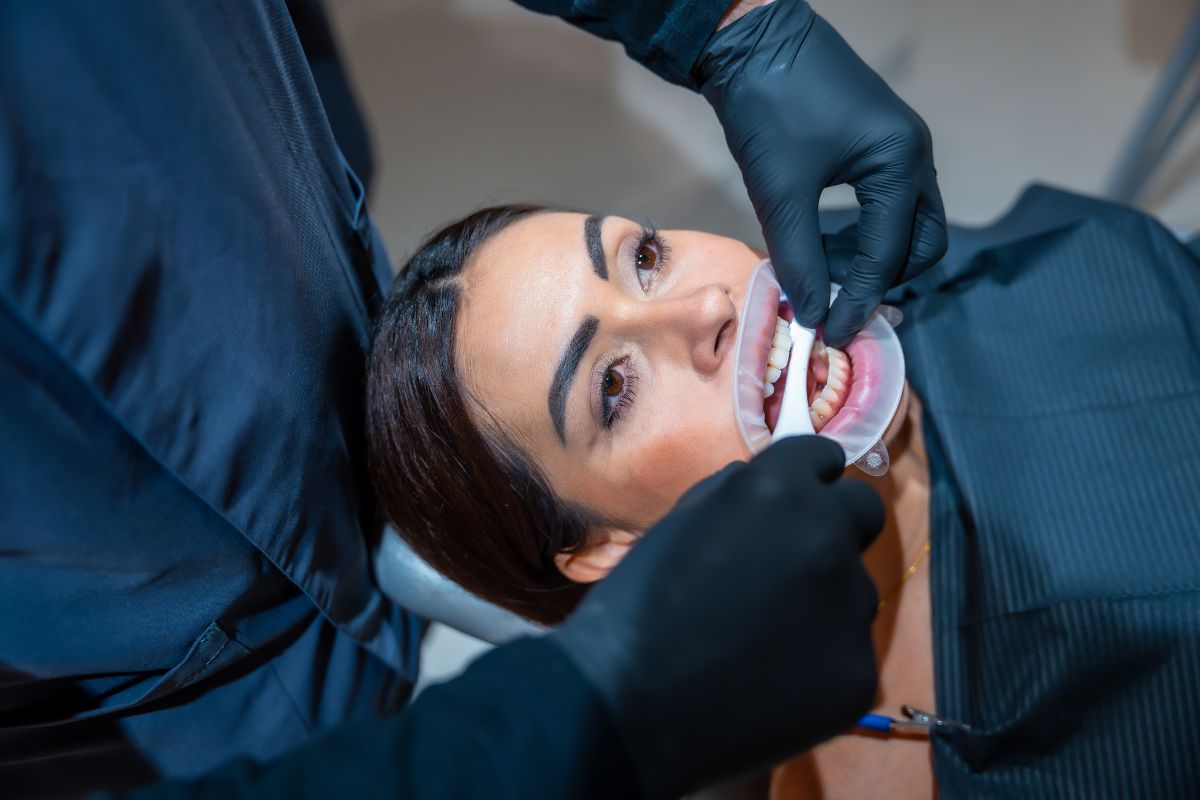
When home efforts fall short, pros step in. They have tools to handle deep issues.
Cleanings remove tartar and surface buildup. This often brightens things up.
Whitening treatments target both types. They use stronger agents than store-bought options.
For severe cases, veneers or bonding cover stains. These create a fresh look.
If you’re in the area and noticing persistent discoloration, exploring our teeth whitening treatment in Bel Air, MD could make a real difference in restoring your confidence.
Key Statistics on Teeth Stains and Whitening
Here’s a quick look at some eye-opening data on this topic.
| Statistic | Detail | Source Insight |
|---|---|---|
| Prevalence of Whitening | 19% of Americans have whitened their teeth | Younger adults (under 45) are twice as likely |
| Industry Growth | Teeth whitening market to reach $8.21 billion by 2026 | Up from $6.14 billion in 2020 |
| Treatment Success | 90% of whitening treatments succeed | Can lighten teeth up to 10 shades |
| User Numbers | 37 million U.S. adults used whitening products in 2020 | Expected to dip slightly by 2024 |
| Top Dental Visit Reason | Whitening accounts for 32% of U.S. dental office visits | Most requested cosmetic procedure |
These numbers show how common stains are and why addressing them matters.
Trending FAQs on Stubborn Teeth Stains
People often search for quick answers on this. Here are some frequently asked questions based on popular Google queries, with straightforward responses.
- What causes brown stains on teeth? Brown stains usually come from tobacco, dark drinks like coffee or wine, or poor hygiene leading to tartar buildup. Deeper ones might link to medications or decay.
- Why do I have yellow stains between my teeth? These often result from plaque accumulation in hard-to-reach spots. Food particles and bacteria contribute, especially if flossing is skipped.
- Are black stains on teeth permanent? Not always. Surface black stains from bacteria or tartar can be removed professionally. Deeper ones from decay need treatment like fillings.
- How does aging cause teeth discoloration? Enamel thins over time, exposing yellower dentin. Combined with years of staining foods, it leads to a duller appearance.
- Can medications really stain teeth? Yes, certain antibiotics like tetracycline cause intrinsic stains if taken while teeth develop. Antihistamines or blood pressure meds might dry the mouth, worsening surface issues.
These cover what folks commonly wonder about.
You know, dealing with these stains can feel overwhelming, but understanding the root helps a ton. Chat with a dental pro if yours persist – they can guide you personally.
Sometimes, a simple check can reveal if deeper care is needed. If stains bother you, schedule an appointment to get expert advice tailored to your situation.
In wrapping up, remember that a bright smile starts with awareness and action. Keep up those daily habits, watch what you consume, and don’t hesitate to seek help when needed. Your teeth deserve it, and so do you. Ready to take the next step? Reach out to schedule an appointment today for that confident grin.