

What Is the Difference Between a Crown and a Filling?
Request Appointment

Have you ever felt a sharp pain while biting into something cold or hard? Tooth issues like decay or cracks can disrupt daily life. Many people face choices in restorative dentistry. Knowing options helps you make informed decisions for your smile. This post breaks down two common treatments. It aims to clarify what each does and when one fits better.
Understanding Dental Fillings
Dental fillings repair small areas of decay. They fill cavities after removing damaged parts. Dentists use tools to clean the teeth. Then, they apply material to seal it.
Common types include composite and amalgam. Composite blends with tooth color. Amalgam offers strength for back teeth. The process takes one visit. It starts with numbing the area. Next comes drilling out decay. Finally, the filling hardens in place.
Fillings prevent further decay. They restore bite function. Regular check-ups spot needs early. This keeps minor problems from growing.
Exploring Dental Crowns
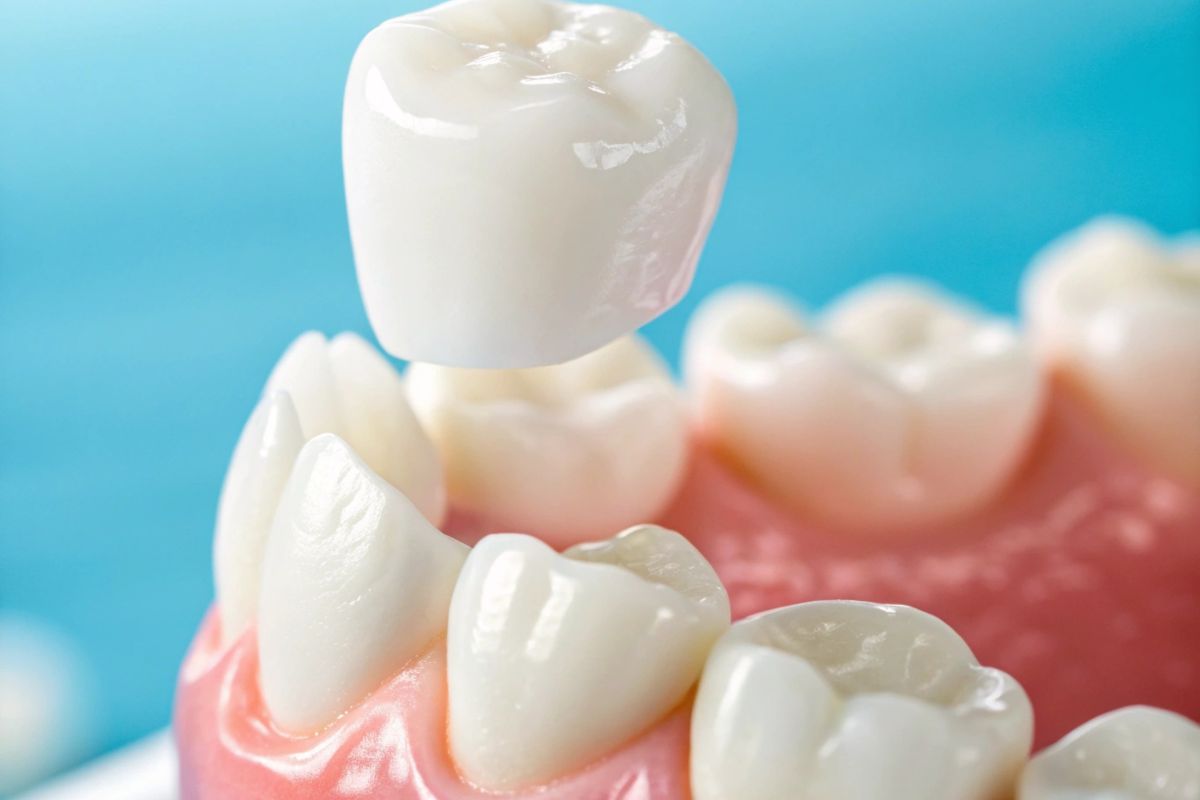
Crowns act as caps for damaged teeth. They cover the whole visible part. This restores shape and strength. Crowns suit teeth with big breaks or after root canals.
Materials vary. Porcelain mimics natural looks. Metal adds durability. Some combine both. Placement often needs two visits. First, shape the tooth and take impressions. A lab crafts the crown. Second visit bonds it on.
Same-day options exist with advanced tech. These use digital scans. Crowns protect weak teeth. They improve chewing and appearance.
Key Differences Between Crowns and Fillings
Crowns and fillings both fix teeth. Yet, they differ in scope and use.
Extent of Damage
Fillings handle small cavities. They target limited decay. Crowns address major issues. Think large fractures or extensive loss.
Durability and Longevity
Fillings last five to ten years. Factors like material matter. Crowns endure ten to fifteen years or more. Proper care extends this.
Procedure and Time Involved
Fillings finish quickly. One appointment suffices. Crowns may require multiple steps. Impressions and fitting take time.
Materials Used
Fillings use resin or metal. Crowns employ porcelain or alloys. Choices depend on location and needs.
Here’s a quick comparison:
| Aspect | Dental Filling | Dental Crown |
|---|---|---|
| Damage Level | Minor decay or small cavities | Extensive damage or weakness |
| Procedure Time | One visit | Often two visits |
| Durability | 5-10 years | 10-15+ years |
| Materials | Composite, amalgam | Porcelain, metal, combinations |
| Protection | Fills hole | Covers entire tooth |
This table shows core contrasts. It aids in grasping options.
When to Choose a Filling Over a Crown
Opt for fillings with early decay. Small holes suit this. It preserves more natural teeth. Less invasive means quicker recovery.
Dentists assess via exams and X-rays. If the structure remains strong, fillings work. They blend seamlessly. This boosts confidence in smiles.
Routine cleanings catch issues soon. Brushing twice daily helps. Flossing removes hidden plaque. These habits reduce filling needs.
When a Crown Might Be Necessary
Crowns step in for severe cases. Large fillings can weaken teeth. Cracks or breaks demand full coverage.
After root canals, crowns shield. They prevent snaps under pressure. For those seeking dental crowns in Bel Air, MD, local options provide custom fits. Experts use tech for precise results.
Crowns enhance aesthetics, too. Discolored teeth get new life. Chewing improves without pain.
Caring for Your Restored Teeth
Maintenance keeps restorations lasting. Brush gently around them. Use soft-bristle brushes.
Avoid hard foods. Nuts or ice can chip. Regular visits to monitor wear.
Oral hygiene fights new decay. Fluoride toothpaste strengthens enamel.
If you are searching for a dentist near you, consider one with experience in restorations. They provide care tips.
Trending FAQs on Crowns and Fillings
People often search for clarity on these treatments. Here are common questions from online trends.
- Do I need a crown or just a filling? It depends on the damage size. Small cavities get fillings. Larger ones or weak teeth need crowns for support.
- How long do dental crowns last compared to fillings? Crowns typically outlast fillings. With care, crowns serve 10-15 years. Fillings may need replacement in 5-10 years.
- Can a large filling be replaced with a crown? Yes, if the tooth weakens. Dentists evaluate stability. A crown adds protection.
- What are the signs that I might need a crown? Persistent pain, cracks, or large old fillings signal this. Sensitivity to temperature also hints at it.
- Is the procedure for a crown more invasive than a filling? Crowns involve more tooth shaping. Fillings remove less. Both use numbing for comfort.
These address frequent concerns. They stem from popular searches.
Restorations improve quality of life. They let you eat your favorites without worry. Discuss symptoms openly with professionals.
Think about your oral health goals. Early action prevents bigger issues. Restored teeth feel natural.
In wrapping up, crowns and fillings both play key roles in dental care. They tackle damage at different levels. Choosing right ensures lasting results. To schedule an appointment, reach out today for personalized advice.