
Can Tooth Extraction Stop Recurring Dental Pain?
Request Appointment

Dealing with ongoing tooth pain can disrupt daily life. It affects eating, sleeping, and focus. Many wonder if removing the tooth offers real relief. This post explores that question. We’ll look at causes, options, and what to expect. By the end, you’ll have clear insights to discuss with your dentist.
Understanding Recurring Dental Pain
Recurring dental pain often signals deeper issues. It comes and goes or stays constant. Ignoring it can lead to worse problems.
Common Causes of Persistent Toothache
Tooth decay is a top culprit. Bacteria eat away at enamel, reaching nerves. Infections in the pulp cause throbbing. Cracked teeth let irritants in, sparking pain. Gum disease weakens support, leading to discomfort. Impacted wisdom teeth press on neighbors, creating pressure.
When Pain Signals a Serious Issue
Pain that returns despite cleanings needs attention. Swelling or fever points to infection. Sensitivity to hot or cold may indicate nerve damage. Nighttime worsening suggests abscess. Early checks prevent spread.
Exploring Tooth Extraction as a Solution
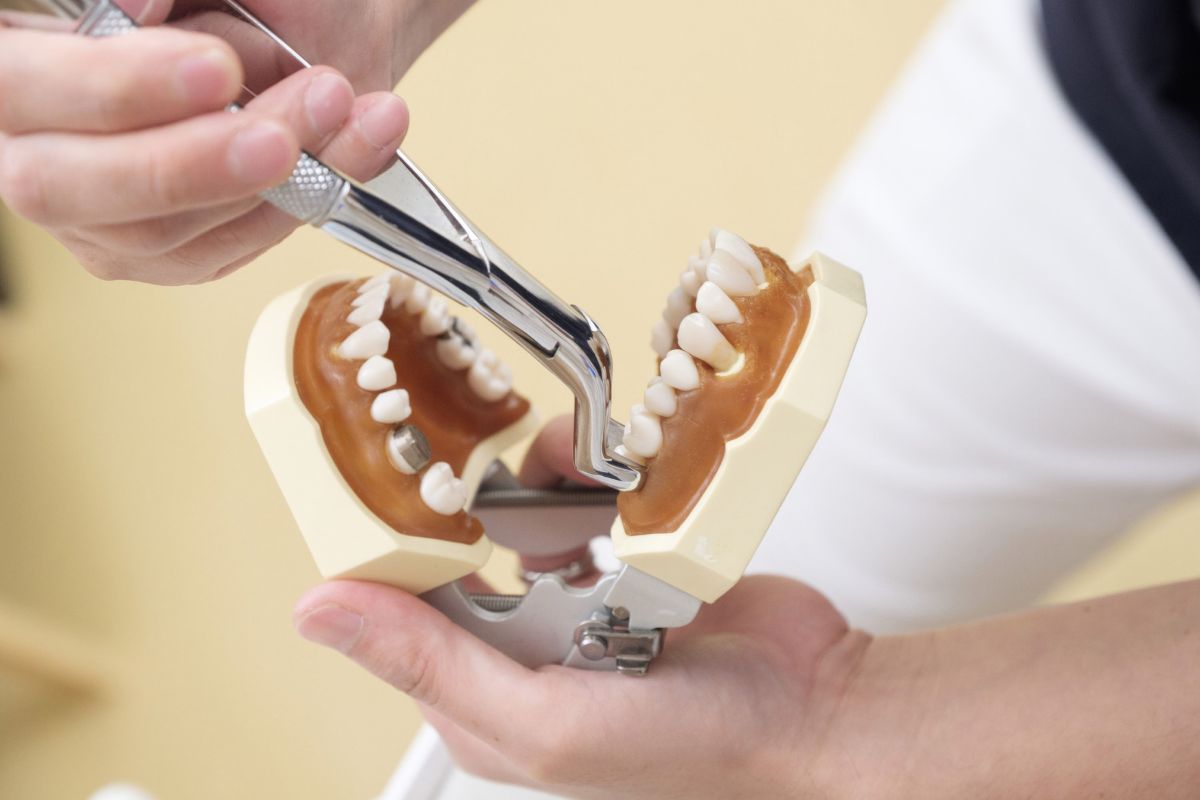
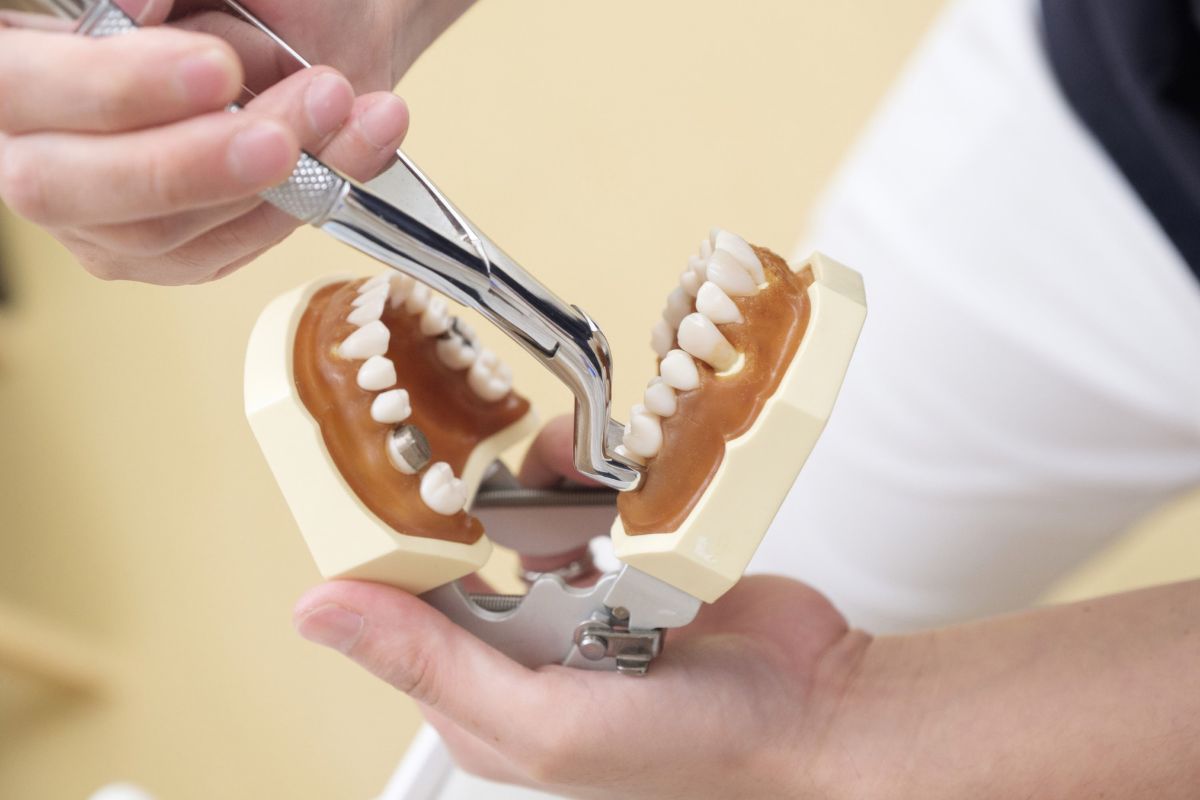
Extraction removes the troubled tooth. It aims to end the pain source. Dentists recommend it when other fixes fail.
When Is Extraction Recommended?
Severe decay beyond repair calls for it. Infections unresponsive to antibiotics qualify. Overcrowded mouths benefit from space creation. Trauma-damaged teeth may need removal. It’s a last resort for recurring issues.
In Bel Air, MD, locals often seek the tooth extraction procedure in Bel Air, MD for impacted teeth or chronic infections. This approach targets the root cause effectively.
Types of Tooth Extractions
Simple extractions handle visible teeth. The dentist loosens and pulls it. Surgical ones involve incisions for buried teeth. Wisdom teeth often require this. Both use local numbing for comfort.
The Extraction Process Step by Step
Knowing what happens eases worries. Preparation starts with an exam and X-rays.
Preparation and Anesthesia
Your dentist reviews health history. They numb the area with local anesthesia. Sedation options calm nerves if needed.
During the Procedure
For simple cases, they rock the tooth free. Surgical ones cut gum and bone if required. Stitches close the site afterward.
Immediate Aftercare Tips
Bite on gauze to stop bleeding. Use ice for swelling. Rest and avoid hard foods. These steps speed healing.
Benefits of Tooth Extraction for Pain Relief
Removal can bring quick relief. It stops infection spread. Space opens for better alignment.
Ending the Cycle of Pain
If the tooth causes the issue, extraction halts it. Studies show high success in pain resolution. No more throbbing from that spot.
Preventing Future Complications
It avoids abscess or bone loss. Nearby teeth stay healthy. Overall oral health improves.
| Statistic | Detail | Source |
|---|---|---|
| Success Rate for Pain Relief | 85-95% report full relief post-extraction for infected teeth | Based on dental studies from NIH and ADA |
| Dry Socket Incidence | 2-5% of cases, leading to temporary pain | Common in wisdom tooth removals |
| Non-Opioid Pain Management Effectiveness | 80% prefer ibuprofen/acetaminophen over opioids | URMC Eastman Institute study |
| Return for Additional Treatment | Less than 5% need follow-up for unresolved pain | JAMA Network Open analysis |
Potential Risks and How to Minimize Them
Like any procedure, risks exist. Awareness helps avoid them.
Common Side Effects
Swelling and bruising fade in days. Mild bleeding is normal. Pain peaks early then eases.
Avoiding Dry Socket
This happens if the clot dislodges. No smoking or straws for a week. Rinse gently with salt water.
Signs to Watch For
Fever or severe swelling means call your dentist. Pus indicates infection. Prompt action prevents issues.
Recovery and Long-Term Care
Healing takes time. Follow guidelines for smooth progress.
Timeline for Healing
Pain lessens in 3-5 days. Socket fills in weeks. Full bone recovery spans months.
Home Remedies for Comfort
Over-the-counter meds like ibuprofen help. Soft foods ease chewing. Elevate your head to reduce swelling.
Maintaining Oral Health Post-Extraction
Brush gently around the site. Floss daily. Regular checkups catch new problems early.
Trending FAQs on Tooth Extraction and Recurring Pain
Many search for answers online. Here are common questions based on popular Google queries.
- How long does pain last after tooth extraction? Mild discomfort lasts 3-5 days. Full healing takes 1-2 weeks. Severe cases may need longer.
- Is it normal to have pain weeks after extraction? Not usually. Lingering pain could signal dry socket or infection. See your dentist.
- Will pulling a tooth stop nerve pain? Yes, if the tooth is the source. It removes damaged nerves causing the issue.
- Why do surrounding teeth hurt after extraction? Shifting or inflammation can cause temporary ache. It often resolves in days.
- What if pain persists months after extraction? Rare, but possible from nerve issues. Consult a specialist for evaluation.
These address frequent concerns. Always seek professional advice for your case.
Alternatives to Extraction
Not every pain needs removal. Other options may work first.
Root Canals and Fillings
Root canals save infected teeth. Fillings fix decay early. Crowns protect cracks.
When to Choose Conservative Treatments
Mild cases respond well. They preserve natural teeth. Discuss pros and cons.
If you are searching for a reliable dentist in Bel Air, MD, consider one experienced in pain management. They can guide you through options with care.
Ongoing dental pain doesn’t have to linger. Extraction often provides the relief you seek. Talk to your provider today. A pain-free smile awaits.