
How Soon Can You Resume Normal Eating After a Tooth Extraction?
Request Appointment

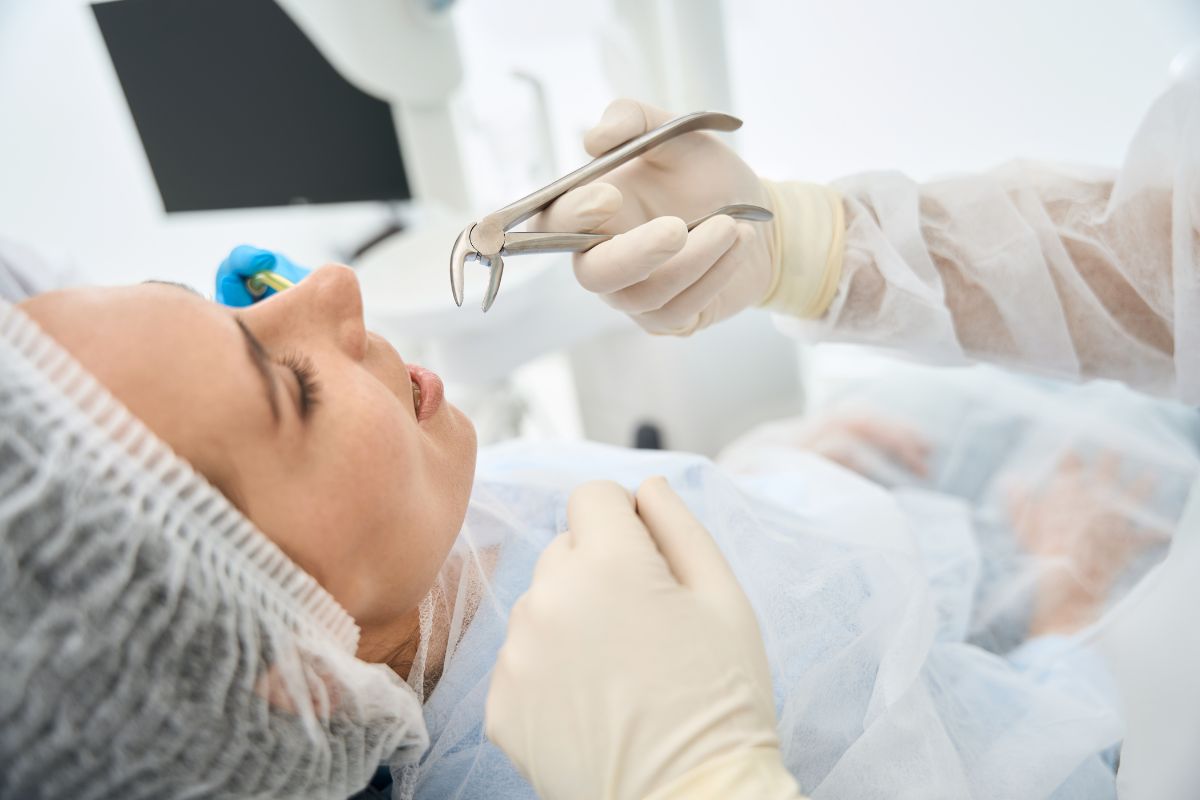
Having a tooth removed can bring immediate relief from pain or infection, but many patients leave the dental office with one important question: when can I eat normally again? The answer depends on several factors, including the type of extraction, how well the area heals, and whether post-operative instructions are followed carefully. Understanding what to eat and when to introduce different foods can help promote a smoother recovery while reducing the risk of complications.
Why Eating Carefully Matters After a Tooth Extraction
A tooth extraction creates a healing site in the jaw and gum tissue. After the procedure, a protective blood clot forms in the socket. This clot plays a vital role in healing because it protects the underlying bone and nerves.
Eating the wrong foods too soon can dislodge the clot and lead to discomfort or complications such as dry socket. Following the proper diet during recovery helps support healing, minimizes irritation, and allows you to return to your normal routine faster.
What Can You Eat During the First 24 Hours?
The first day after an extraction is the most critical stage of recovery. During this period, patients should focus on soft foods that require little to no chewing.
Good options include:
- Yogurt
- Applesauce
- Smooth mashed potatoes
- Pudding
- Cottage cheese
- Smooth soups served lukewarm
- Protein shakes eaten with a spoon
Avoid:
- Hot foods and beverages
- Crunchy snacks
- Spicy foods
- Foods with seeds
- Carbonated drinks
Staying hydrated is important, but avoid using straws because the suction can disturb the healing clot.
Days 2–3: Gradually Expanding Your Diet
Most patients begin feeling more comfortable within a couple of days. At this stage, you can slowly add foods that have a slightly firmer texture.
Examples include:
- Scrambled eggs
- Oatmeal
- Soft pasta
- Well-cooked vegetables
- Soft fish
- Rice
Patients recovering from a tooth extraction procedure in Bel Air often ask whether they can return to regular meals during this period. While healing progress varies, most dental professionals recommend continuing to choose foods that place minimal pressure on the extraction site.
Recovery Timeline for Returning to Normal Foods
The timeline below provides a general guideline for eating after an extraction.
| Recovery Period | Recommended Foods | Foods to Avoid |
|---|---|---|
| First 24 Hours | Yogurt, pudding, applesauce | Crunchy, spicy, hot foods |
| Days 2–3 | Eggs, oatmeal, soft pasta | Chips, nuts, popcorn |
| Days 4–7 | Soft meats, cooked vegetables | Hard bread, tough meats |
| After 1 Week | Most regular foods as tolerated | Extremely hard foods if soreness remains |
Keep in mind that complex extractions and wisdom tooth removals may require a longer recovery period.
Signs You’re Ready for Normal Eating
Many patients wonder how they can tell when it’s safe to resume their usual diet. Several signs indicate that healing is progressing well.
Reduced Tenderness
The extraction area should become less sensitive each day. Mild soreness is normal, but significant pain should gradually improve.
Improved Jaw Function
You should be able to chew comfortably without placing excessive pressure on the extraction site.
Minimal Swelling
As swelling decreases, eating becomes easier and more comfortable.
No Bleeding
The socket should remain stable without recurring bleeding during meals.
If you experience increased discomfort after introducing certain foods, return to softer options for another day or two.
Common Mistakes That Can Delay Healing
Many extraction-related complications occur because patients accidentally irritate the surgical site.
Eating Crunchy Foods Too Early
Foods such as chips, crackers, popcorn, and nuts can become lodged in the extraction socket.
Chewing on the Treatment Side
Using the opposite side of the mouth during the early stages of healing helps protect the area.
Ignoring Post-Operative Instructions
Every patient heals differently. Following your dentist’s specific recommendations is essential.
Smoking and Tobacco Use
Smoking can significantly interfere with blood clot formation and slow the healing process.
How Local Patients Can Support Faster Healing
Successful recovery involves more than choosing the right foods. Good oral hygiene and proper aftercare are equally important.
Gently rinse with warm salt water after the first 24 hours if recommended by your dentist. Continue brushing and flossing while avoiding direct contact with the extraction site.
Many patients who visit Dr. Smith for dental care are surprised by how much proper nutrition and hydration contribute to the healing process. Consistent aftercare habits can help reduce discomfort and support a healthier recovery.
When Should You Contact Your Dentist?
While most extractions heal without issues, certain symptoms should never be ignored.
Call your dental office if you experience:
- Severe pain several days after the procedure
- Persistent bleeding
- Swelling that worsens instead of improving
- Fever
- Signs of infection
- Difficulty swallowing
For patients who are uncertain about their recovery progress, professional guidance can provide peace of mind and help prevent complications.
Frequently Asked Questions About Eating After a Tooth Extraction
Google users frequently ask the following questions regarding recovery after tooth removal:
- Can I eat normally 3 days after a tooth extraction?
Many patients can tolerate soft solid foods after three days, but full recovery varies from person to person. - What foods heal extraction sites faster?
Nutrient-rich soft foods such as yogurt, eggs, fish, mashed potatoes, and cooked vegetables support healing. - Can I eat rice after a tooth extraction?
Soft rice is generally acceptable after the first couple of days, provided it does not irritate the extraction site. - How long should I avoid crunchy foods?
Most dentists recommend avoiding crunchy foods for at least one week or until the socket has significantly healed. - What happens if food gets stuck in the extraction hole?
Small particles may occasionally become trapped. Gentle rinsing as directed by your dentist can often help remove debris safely.
Protecting Your Smile During Recovery
Healing after a tooth extraction is a gradual process, but careful food choices can make a significant difference. Patients who follow their dentist’s instructions and advance their diet slowly often experience fewer complications and a more comfortable recovery. If you are searching for a dentist near Bel Air, MD, and have questions about tooth removal recovery, post-operative care, or oral health concerns, contact us for personalized guidance and professional support.
Returning to your favorite meals takes patience, but giving your mouth adequate time to heal is well worth the effort. By listening to your body, choosing appropriate foods, and following aftercare recommendations, you can support a successful recovery and get back to enjoying everyday life with confidence.