
What Happens Before Getting Dental Implants in Bel Air?
Request Appointment

The dental implant procedure gets most of the attention, but much of the important work happens before surgery.
If you’re researching dental implants in Bel Air, you may already know that an implant is placed into the jawbone to support a replacement tooth. What you may not realize is how much planning goes into determining whether an implant is appropriate and how it should be placed.
A thorough evaluation helps your dental team understand your oral health, available bone, bite, and restoration needs before treatment begins.
Your First Implant Consultation
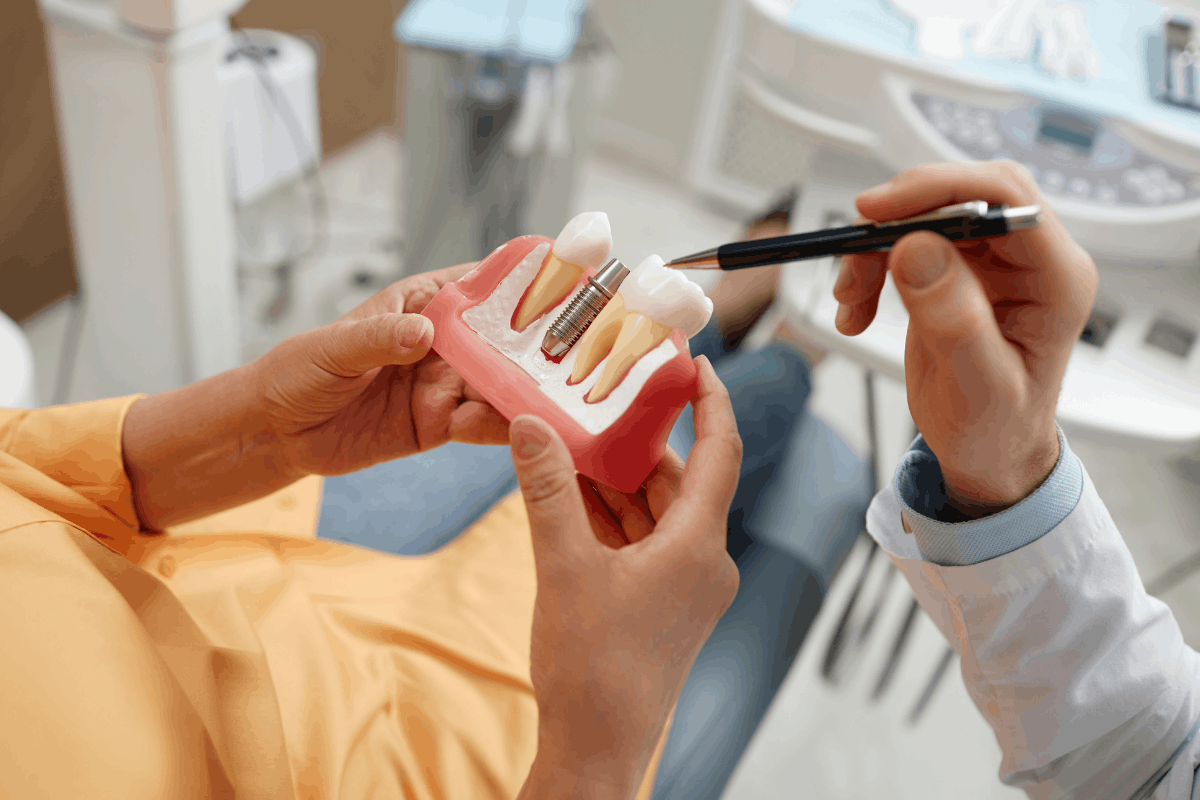
Your implant journey typically starts with a consultation rather than surgery.
Your dentist will discuss why you’re missing a tooth, what you want to accomplish, and whether an implant-supported restoration fits your situation.
The conversation may include:
- Your dental history
- Previous treatments
- Current oral health concerns
- Medications and health history
- Your preferred replacement option
- Questions about treatment and recovery
This appointment is your opportunity to explain concerns and understand the proposed treatment before making a decision.
A Detailed Dental Examination
The condition of your mouth matters when planning an implant.
Your dentist may examine:
- The missing-tooth area
- Neighboring teeth
- Gum tissue
- Bite alignment
- Jawbone support
- Existing restorations
The goal isn’t simply to determine whether an implant can be placed. Your dentist also needs to determine how the implant and final restoration should work with the rest of your mouth.
Why Dental Imaging Matters
Dental implants require precise planning.
Smith & Co. Dental Practitioners offers digital imaging among its dental technologies, which can assist with diagnosis and treatment planning.
Imaging can help your dental team evaluate the area around a missing tooth and identify important anatomical structures before treatment.
This information helps determine implant position and whether additional preparation may be necessary.
Do You Have Enough Bone?
After a tooth is lost, the surrounding jawbone can gradually change because it no longer receives stimulation from a natural tooth root.
Some patients have enough bone for implant placement, while others may need additional treatment before an implant can be placed predictably.
Bone grafting may sometimes be considered to improve the available foundation.
That doesn’t automatically mean implants aren’t an option. It simply means the treatment plan may require another stage before implant placement.
What About Gum Disease?
Healthy gum tissue is an important part of successful implant treatment.
If active gum disease is present, your dentist may recommend treating and stabilizing the condition before proceeding.
This is another reason an implant consultation should include a comprehensive evaluation rather than focusing only on the missing tooth.
Planning the Replacement Tooth
An implant is only one part of the finished restoration.
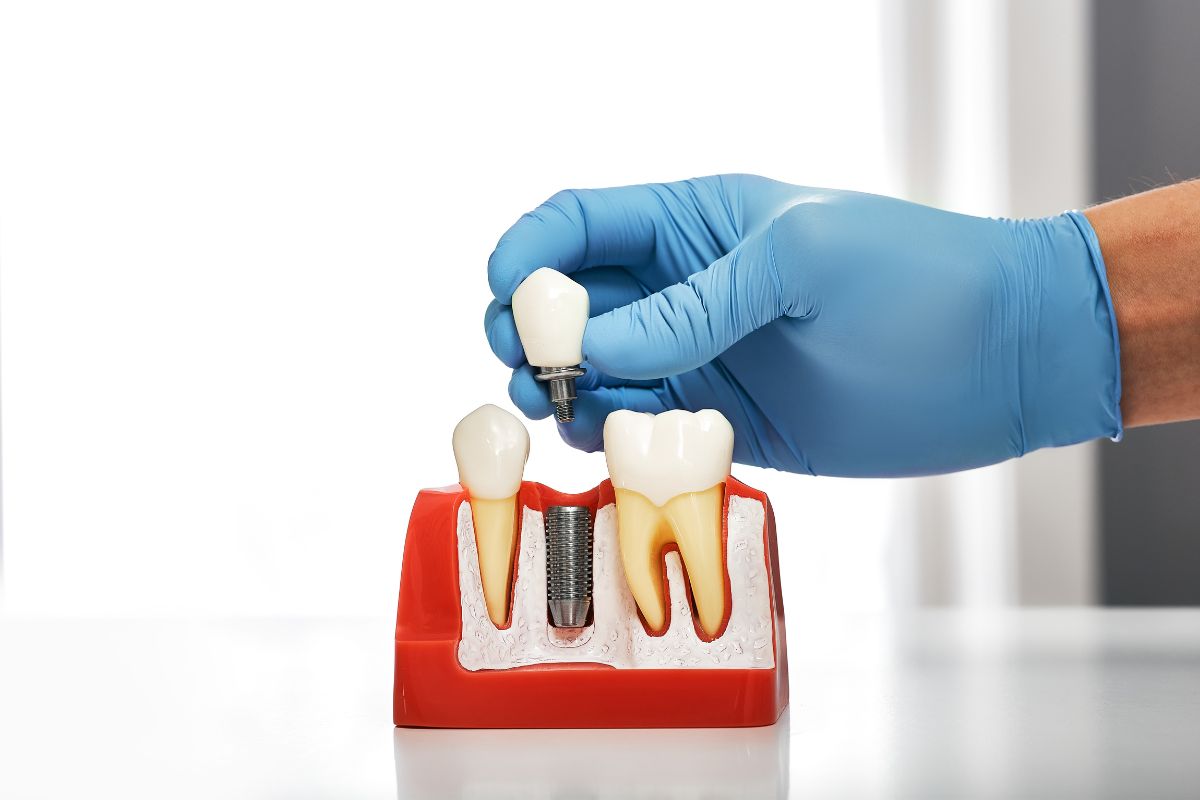
The complete treatment typically involves:
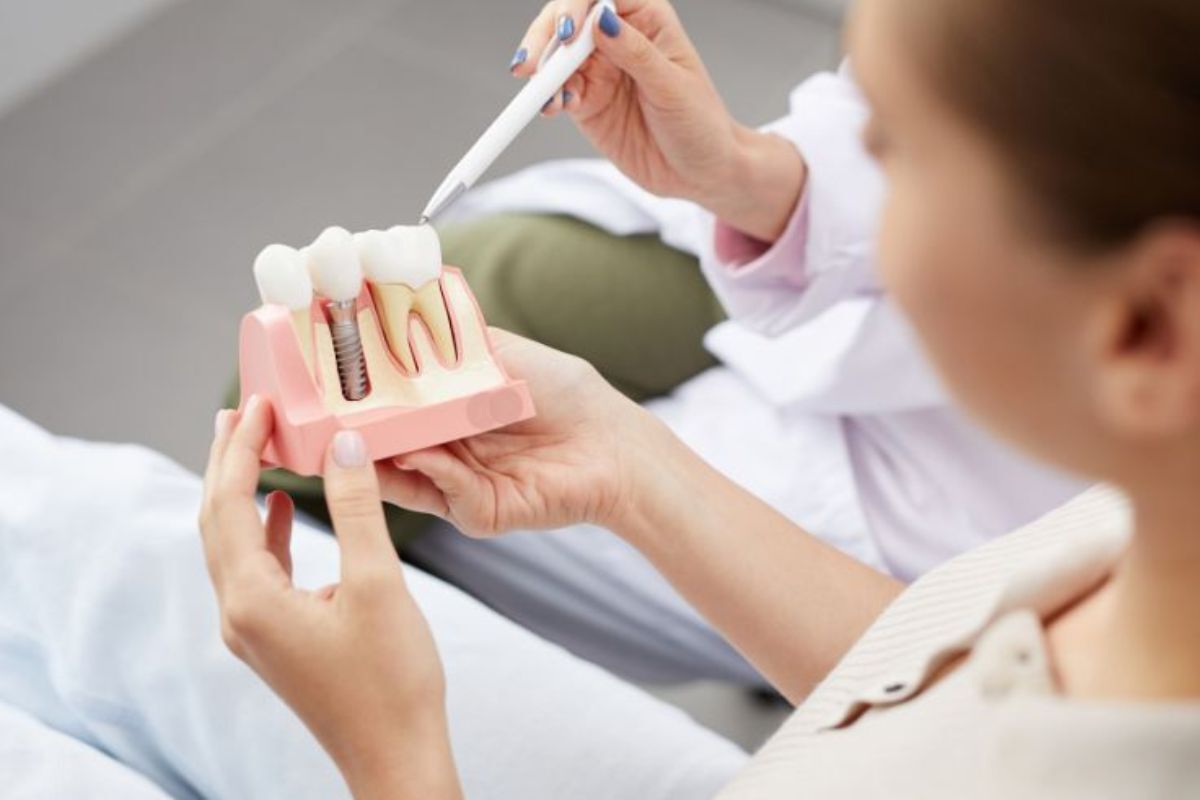
- The implant itself, which functions as the artificial tooth root.
- An abutment or attachment component.
- A custom replacement tooth or other restoration.
The implant page for Smith & Co. explains that implants are titanium posts placed in the jawbone and used as a foundation for replacement teeth.
Planning the final restoration in advance helps the dental team determine the appropriate implant position.
Will You Need a Tooth Extraction First?
Sometimes the tooth that needs replacement is still present but cannot be saved.
In those situations, extraction may be part of the overall treatment plan.
The timing between extraction and implant placement depends on factors such as the condition of the tooth, infection, bone quality, and the planned restoration.
In some cases, preserving the extraction socket with bone-grafting material may be considered to support future tooth replacement.
What About Temporary Teeth?
Patients often worry about what they’ll look like while the implant heals.
Depending on your treatment plan, a temporary tooth replacement may be possible during the healing period.
Smith & Co. notes that implants generally remain beneath the gum while they bond with the jawbone, with temporary tooth replacement and a soft diet possible during this period.
Your dentist can explain whether a temporary option is appropriate for your specific situation.
Understanding the Implant Timeline
Implant treatment isn’t usually completed in a single appointment.
The implant needs time to integrate with the jawbone before the final restoration is attached.
The Smith & Co. implant service page describes a healing period of approximately three to six months for the implant to bond with the jawbone, with the overall treatment potentially taking six to eight months.
Your individual timeline may differ depending on whether additional procedures are needed.
Questions to Ask Before Implant Treatment
Before scheduling treatment, consider asking:
- Is an implant appropriate for my situation?
- Do I need bone grafting?
- Are my gums healthy enough for implant treatment?
- What type of restoration will the implant support?
- How long might the complete process take?
- What temporary tooth options are available?
- What should I expect during healing?
Good communication helps you make decisions with realistic expectations.
Why Personalized Planning Matters
Dental implants aren’t a one-size-fits-all procedure.
The position of the missing tooth, available bone, surrounding teeth, bite, gum health, and desired final restoration all influence treatment planning.
A personalized approach can help identify potential challenges before surgery rather than discovering them after treatment has begun.
Replacing a Missing Tooth Starts With a Consultation
If you’re considering dental implants in Bel Air, don’t feel pressured to know exactly which treatment you need before your appointment.
The purpose of an implant consultation is to evaluate your mouth, explain your options, and build a treatment plan around your specific needs.
Smith & Co. Dental Practitioners provides dental implant treatment in Bel Air, MD, with consultation and treatment planning tailored to individual patients.
The first step is simply finding out what your options are.
FAQs
What happens at a dental implant consultation?
Your dentist will review your dental and health history, examine your mouth, evaluate the missing-tooth area, and use appropriate imaging to help develop a treatment plan.
Do I need a bone graft before getting a dental implant?
Not everyone needs one. Bone grafting may be recommended when there isn’t enough healthy bone to provide the desired foundation for implant placement.
How long does dental implant treatment take?
The timeline varies. Implant healing may take several months, and the complete treatment can take longer when additional procedures are necessary.
Can I get an implant immediately after a tooth extraction?
Sometimes, but immediate implant placement isn’t appropriate for every patient. Your dentist must evaluate the tooth, surrounding bone, gum tissue, and presence of infection before deciding.
What should I bring to my implant consultation?
Bring a list of medications, information about relevant medical or dental history, and any questions you have about the procedure, healing, cost, and restoration options.