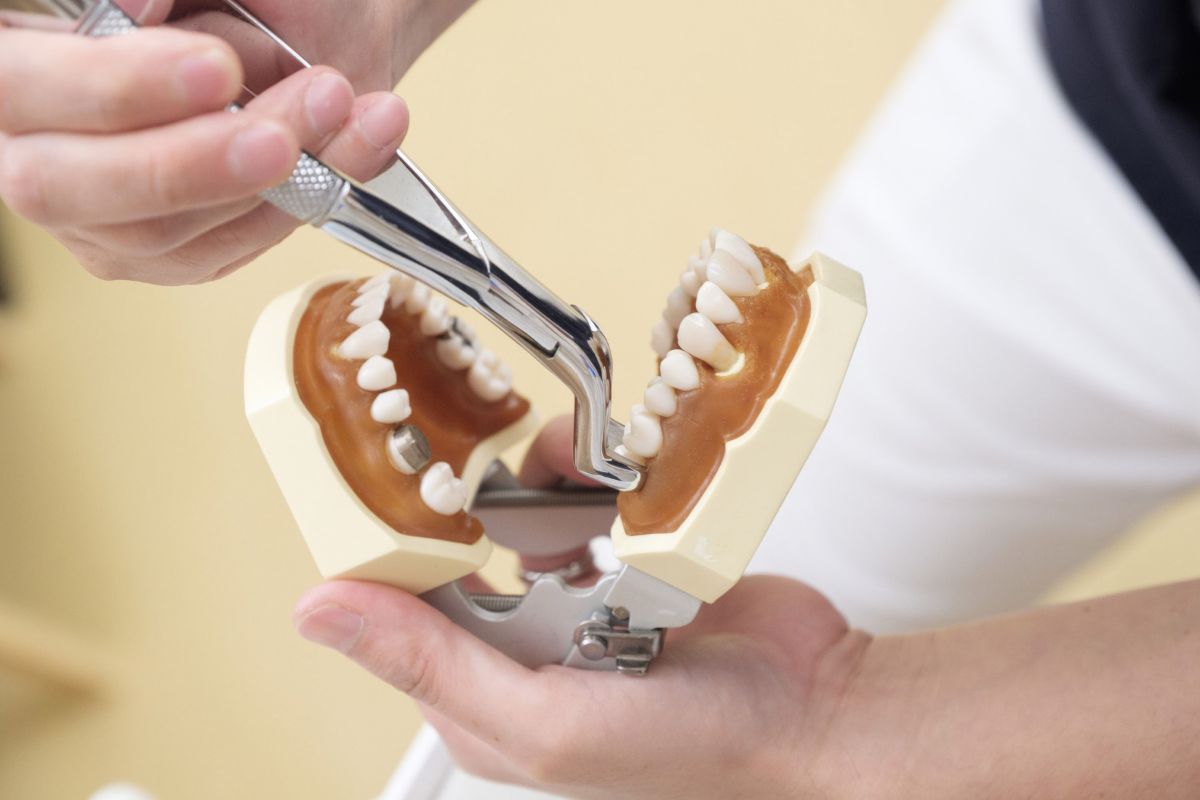

When Is a Tooth Extraction Necessary in Bel Air?
Request Appointment


Dentists generally prefer to preserve natural teeth whenever they can. But when a tooth is severely damaged, infected, or unable to support a restoration, removing it may be the safest way to protect the rest of your mouth.
If you’re researching tooth extractions in Bel Air, you may be wondering whether extraction is really necessary or whether another treatment could save the tooth.
The answer depends on the tooth’s condition, surrounding tissues, your overall oral health, and the treatments that are realistically available.
Extraction Is Usually Not the First Choice
A dentist doesn’t recommend extraction simply because a tooth has a cavity or minor damage.
Depending on the situation, treatment options may include a filling, crown, or another restorative procedure.
Extraction becomes more likely when the tooth has reached a point where predictable restoration is no longer possible.
The purpose is to prevent a damaged tooth from becoming a continuing source of infection, pain, or problems for neighboring structures.
Common Reasons a Tooth May Need Removal
Several conditions can lead to extraction.
Severe Tooth Decay
A heavily decayed tooth may lose so much structure that a filling or crown cannot adequately restore it.
If there isn’t enough healthy tooth remaining to support a restoration, removal may be recommended.
Significant Infection
An infection involving a badly damaged tooth can create pain and swelling and may affect surrounding tissues.
Your dentist will determine whether the tooth can be treated or whether extraction is the safer option.
A Broken Tooth
Teeth can fracture because of trauma, large existing restorations, decay, or biting forces.
Some fractures can be repaired. Others extend into areas that make successful restoration unlikely.
Advanced Gum Disease
Severe periodontal disease can destroy the bone and tissue supporting a tooth.
When a tooth becomes too loose to function properly, extraction may sometimes be necessary.
Crowding or Orthodontic Treatment
In selected cases, removing a tooth can create the space needed for orthodontic treatment.
This decision requires careful planning and should be based on your overall bite and alignment rather than simply removing a crowded tooth.
What Happens Before the Extraction?
Before removing a tooth, your dentist evaluates the tooth and surrounding area.
This may involve:
- A clinical examination
- Dental X-rays or other imaging
- Review of your dental history
- Discussion of medications and health history
- Assessment of the tooth’s position and condition
Smith & Co. Dental Practitioners describes this evaluation as part of planning extraction treatment.
The dentist can then determine whether the tooth requires a simple or surgical extraction.
Simple vs. Surgical Extraction
Simple Extraction
A simple extraction is generally used when the tooth is visible and accessible.
Local anesthesia is used to numb the area. The dentist then carefully loosens and removes the tooth.
Surgical Extraction
A surgical extraction may be needed when a tooth is impacted, broken near the gumline, or difficult to access.
The dentist may need to make a small incision or divide the tooth into sections before removing it.
Smith & Co.’s extraction service explains that sectioning can be used when a tooth is firmly anchored or has curved roots that make removal more difficult.
Will a Tooth Extraction Hurt?
The treatment area is numbed with local anesthesia before extraction.
During the procedure, patients may notice pressure as the dentist loosens the tooth, but they should not experience sharp pain from the extraction itself.
If you experience discomfort during treatment, tell your dentist immediately so the team can address it.
What Happens After the Tooth Is Removed?
A blood clot forms in the extraction socket as healing begins.
Protecting this clot is one of the most important parts of early recovery.
Your dentist may advise you to:
- Avoid vigorous rinsing initially
- Avoid using straws
- Avoid smoking
- Avoid very hot liquids
- Follow eating instructions
- Keep the area clean as directed
Smith & Co. specifically advises avoiding rinsing, spitting, straws, smoking, and hot liquids during the initial post-extraction period.
Why the First Few Days Matter
The first few days are important because disturbing the developing blood clot can interfere with normal healing.
One potential complication is dry socket, which can cause significant pain several days after extraction.
Following your dentist’s instructions carefully can reduce the risk of disrupting the healing site.
If you develop worsening pain, significant swelling, fever, persistent bleeding, or other concerning symptoms, contact your dental office promptly.
What Happens to the Empty Space?
After extraction, the socket gradually heals.
The bone can remodel over time, which is one reason dentists may discuss tooth replacement options after removing a tooth.
Depending on your situation, options may include:
- Dental implants
- Dental bridges
- Dentures
- Other restorative solutions
For some patients considering future implants, bone preservation at the time of extraction may be worth discussing. Smith & Co. notes that bone-grafting materials can sometimes be placed in an extraction socket to preserve and augment bone for future tooth replacement.
When Should You Call Your Dentist?
Some discomfort and mild swelling can be expected after extraction.
However, contact your dental office if you experience symptoms that seem unusual or are getting worse rather than better.
Examples include:
- Severe or increasing pain
- Persistent heavy bleeding
- Fever
- Significant swelling
- Difficulty swallowing or breathing
- Signs of infection
Prompt evaluation can help identify complications and get treatment started when necessary.
A Tooth Extraction Can Be Part of a Bigger Treatment Plan
Extraction isn’t always the end of treatment.
Sometimes removing a severely damaged tooth is the first step toward restoring your smile. If a replacement is appropriate, your dentist can discuss timing and options once the extraction site has been evaluated.
This is particularly important if you’re considering an implant, because preserving available bone may influence future treatment.
Protect Your Oral Health With the Right Decision
If you’re considering tooth extractions in Bel Air, don’t assume that removal is automatically the only solution—or that it should automatically be avoided.
The right decision comes from examining the tooth, understanding its prognosis, and comparing realistic treatment options.
Smith & Co. Dental Practitioners provides extraction services in Bel Air, MD, with an emphasis on safe treatment and protecting your long-term oral health.
A professional evaluation can tell you whether your tooth can be saved or whether extraction is the better path forward.
FAQs
When does a dentist recommend tooth extraction?
Extraction may be recommended when a tooth is severely decayed, fractured, infected, loose from advanced gum disease, impacted, or otherwise unable to be predictably restored.
Is tooth extraction painful?
The area is numbed with local anesthesia before treatment. Patients typically feel pressure during removal rather than sharp pain.
How long does it take to recover from a tooth extraction?
Initial recovery commonly occurs over several days, while the extraction socket continues to heal beneath the gum over a longer period.
What should I avoid after a tooth extraction?
Your dentist may recommend avoiding smoking, straws, vigorous rinsing, and very hot liquids during the early healing period.
Can I replace a tooth after extraction?
Yes. Depending on your oral health and treatment goals, replacement options may include dental implants, bridges, or dentures.