
Single vs. Multiple Dental Implants: Which Option Is Right for You?
Request Appointment

Losing one tooth creates a different treatment situation than losing several teeth. The number and location of missing teeth, the health of your jawbone, and the condition of your remaining teeth can all influence your replacement options.
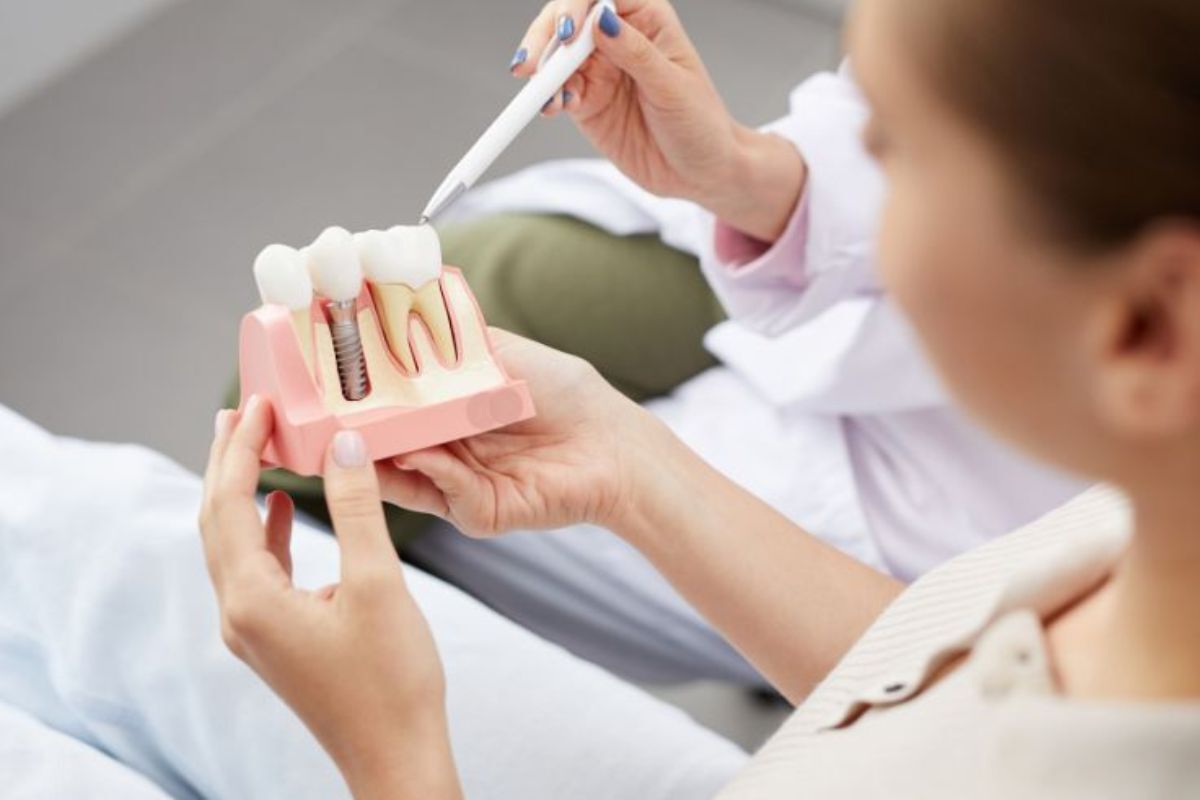
For patients in Bel Air, MD, dental implants can be used in several ways to replace missing teeth. A single implant may support one replacement tooth, while multiple implants may support individual crowns, a bridge, or a larger restoration.
Understanding these options can help you have a more informed conversation with your dentist about restoring your smile.
At Smith & Co Dental Practitioners, implant treatment should be based on your individual oral health and treatment goals rather than a one-size-fits-all approach.
How Do Dental Implants Replace Missing Teeth?
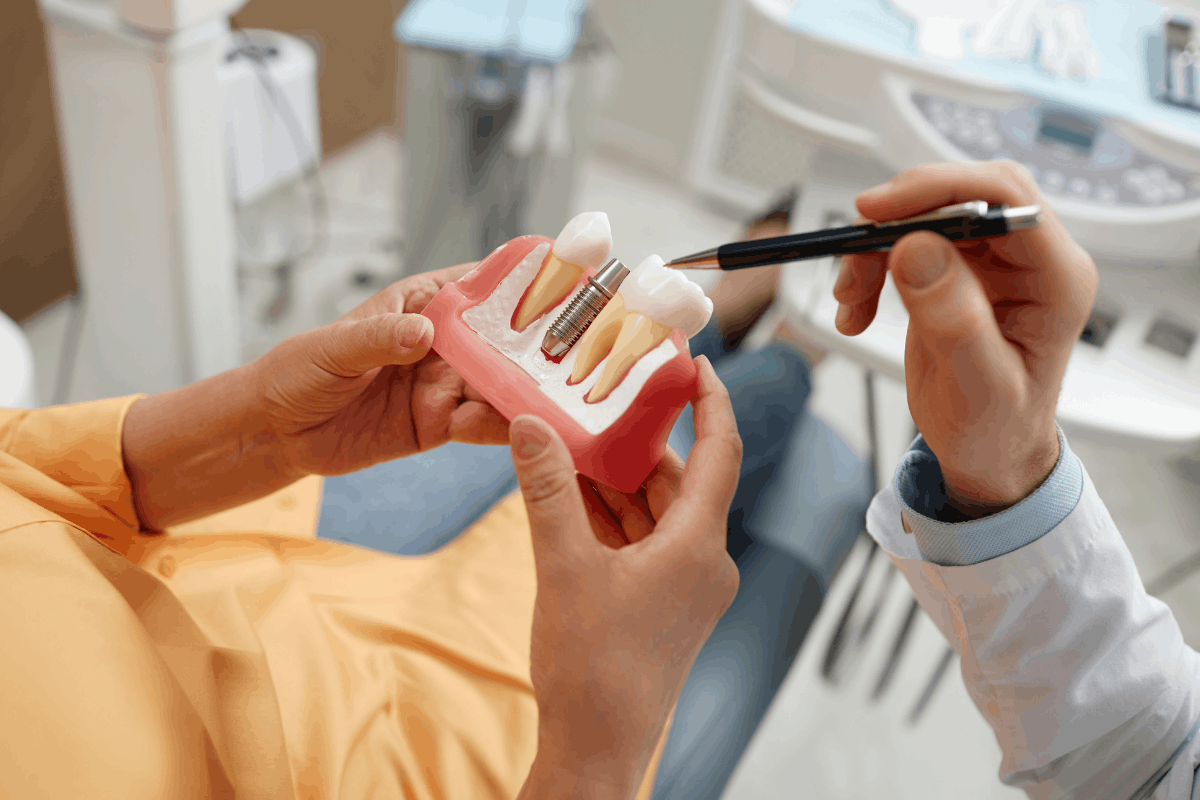
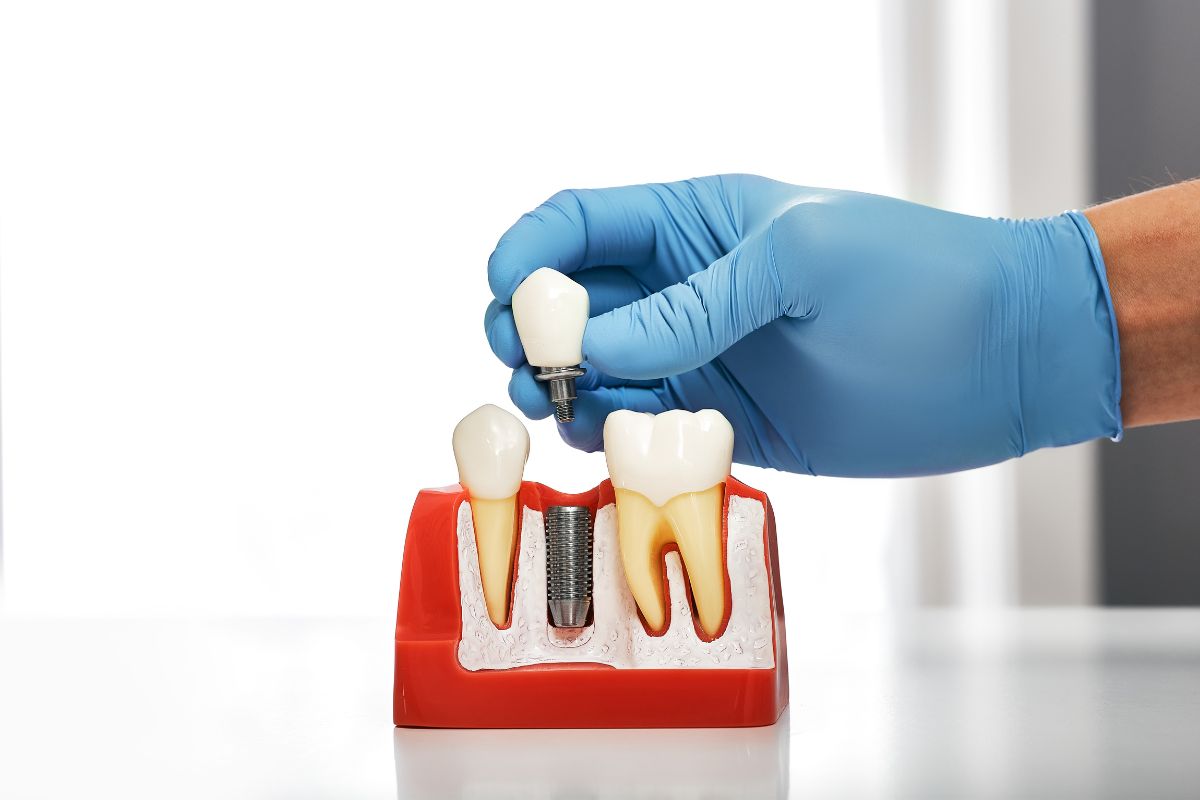
A dental implant is designed to replace the root of a missing tooth.
The implant is placed in the jawbone, where it can gradually integrate with the surrounding bone during the healing process.
Once healing is complete, the implant can support a custom restoration.
Depending on your needs, that restoration may include:
- A single dental crown
- An implant-supported bridge
- An implant-supported denture
- A full-arch restoration
One important point for patients considering dental implants in Bel Air is that the number of missing teeth does not always equal the number of implants required.
Replacing One Missing Tooth With a Single Implant
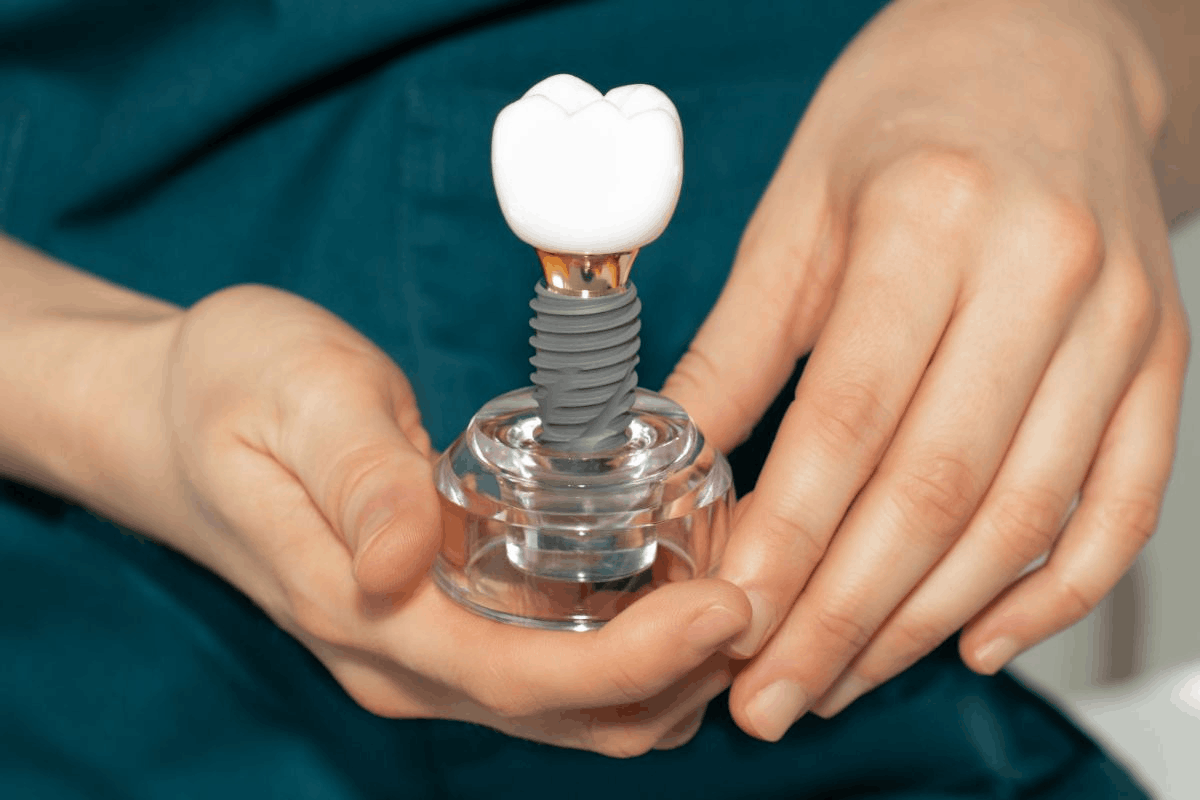
When you are missing one tooth, a single dental implant may be used to support one custom dental crown.
This approach replaces both the missing tooth root and the visible portion of the tooth.
Why Consider a Single Implant?
A single implant can replace a missing tooth without requiring the dentist to reshape neighboring healthy teeth for a traditional dental bridge.
The implant crown functions as an individual replacement tooth.
For many patients in Bel Air, this can be an appealing option when one missing tooth affects chewing, appearance, or everyday comfort.
Where Can Single Implants Be Used?
Single implants may be used to replace missing teeth in different areas of the mouth.
However, treatment planning can vary depending on the location.
Front teeth require careful attention to appearance and gum contours. Back teeth must withstand significant chewing forces.
Your dentist considers these factors when planning implant treatment.
What If You Are Missing Several Teeth?
Patients missing multiple teeth may have several implant-supported options.
Depending on the situation, your dentist may recommend:
- Multiple individual implants
- An implant-supported bridge
- An implant-supported denture
- Another personalized tooth replacement option
The best solution depends on how many teeth are missing and where the spaces are located.
Multiple Individual Dental Implants
If teeth are missing in different areas of the mouth, individual implants may sometimes be placed to replace each missing tooth.
Each implant can support an individual restoration.
This option may provide a natural feel and function, but it also depends on the amount of available bone and the overall health of your mouth.
A consultation for dental implants in Bel Air can help determine whether individual implants are appropriate for your specific situation.
Implant-Supported Bridges
When several neighboring teeth are missing, an implant-supported bridge may be considered.
Instead of placing one implant for every missing tooth, strategically positioned implants may support a bridge that replaces several teeth.
For example, implants can sometimes be used as support points for multiple replacement teeth.
The exact design depends on:
- The location of the missing teeth
- Your bite
- Available bone
- The condition of nearby teeth
- The type of restoration being planned
This approach may allow several missing teeth to be replaced without requiring an implant for every individual tooth.
Replacing an Entire Arch of Teeth
Patients missing most or all of their teeth may have options for implant-supported full-arch tooth replacement.
An implant-supported restoration can be designed to replace an entire upper or lower arch.
Patients do not necessarily need one implant for every missing tooth.
Instead, several strategically placed implants may support a larger restoration.
Full-arch treatment requires detailed planning because the dentist must consider:
- Available jawbone
- Implant positioning
- Bite alignment
- Facial support
- Gum health
- Long-term maintenance
For Bel Air patients considering extensive tooth replacement, a thorough evaluation is essential before selecting a treatment option.
How Many Dental Implants Do You Need?
There is no universal number.
Your treatment plan depends on several factors.
The Number of Missing Teeth
Replacing one missing tooth is different from replacing several or an entire arch.
However, several missing teeth do not always require one implant per tooth.
The Location of Missing Teeth
Back teeth are exposed to significant chewing pressure.
Front teeth often require additional cosmetic planning.
The location of the missing teeth can influence implant placement and restoration design.
Available Jawbone
Dental implants need adequate support from the jawbone.
After a tooth is lost, the bone in that area can gradually change over time.
Some patients have sufficient bone for implant placement, while others may need additional treatment before implants are placed.
Your Bite
The way your upper and lower teeth come together affects the forces placed on implant restorations.
Your dentist evaluates your bite to help design a restoration that functions comfortably.
Your Overall Oral Health
Healthy gums and good oral hygiene are important factors when considering dental implants.
If you have active dental problems, your dentist may recommend treating those concerns before beginning implant treatment.
Can You Combine Implants With Other Restorations?
In some situations, yes.
A patient may have a dental implant replacing one tooth while using another type of restoration elsewhere in the mouth.
For example, a treatment plan may include:
- A dental implant replacing a missing back tooth
- A bridge replacing another area
- A dental crown protecting a damaged natural tooth
Patients in Bel Air may benefit from a customized treatment plan rather than assuming every missing tooth requires the same solution.
Why Planning the Final Restoration Matters
Successful dental implant treatment involves more than placing the implant.
The final replacement teeth must fit properly with your bite and surrounding teeth.
For that reason, dentists carefully consider the final restoration during the planning process.
This can help determine where and how implants should be positioned to support a functional and natural-looking result.
Good treatment planning considers both the surgical and restorative aspects of dental implants.
What Happens During a Dental Implant Consultation?
An implant consultation may include:
- Reviewing your medical and dental history
- Examining your teeth and gums
- Evaluating the missing-tooth area
- Taking appropriate dental images
- Discussing available replacement options
- Reviewing your treatment goals
For patients in Bel Air, MD, this consultation provides an opportunity to ask questions and understand the different options before beginning treatment.
Your dentist can explain whether dental implants are appropriate and what type of restoration may best fit your needs.
Choosing the Right Dental Implant Treatment
The goal is not simply to place as many implants as possible.
The goal is to create a treatment plan that provides appropriate support for your replacement teeth while considering your oral health and long-term needs.
For one patient, a single implant and crown may be the best option.
For another, an implant-supported bridge may provide a more efficient way to replace several missing teeth.
Every situation is different.
Explore Dental Implant Options in Bel Air, MD
Dental implants can provide flexible options for replacing one missing tooth, several teeth, or an entire arch.
The number of implants you need depends on your unique oral health, including the number and location of missing teeth, jawbone support, bite, and overall treatment goals.
If you live in Bel Air, MD, Smith & Co Dental Practitioners can help you explore your tooth replacement options through a personalized consultation.
The first step is understanding what your smile needs. Schedule a consultation to learn whether dental implants may be the right solution for restoring your ability to eat, speak, and smile with confidence.
FAQs
Do I need one dental implant for every missing tooth?
Not always. Several missing teeth may sometimes be replaced with an implant-supported bridge rather than one implant for every missing tooth.
Can one dental implant support multiple teeth?
Depending on the treatment plan, multiple implants may support a bridge that replaces several teeth. Your dentist will determine the appropriate design based on your individual needs.
How many dental implants are needed for a full arch?
The number varies based on available bone, restoration design, oral health, and other clinical factors. A personalized consultation is needed to determine the appropriate treatment plan.
Can dental implants replace teeth in different areas of the mouth?
Yes. Dental implants can be used to replace missing teeth in different areas of the mouth, depending on bone support, oral health, and treatment needs.
Where can I learn about dental implants in Bel Air, MD?
Smith & Co Dental Practitioners can provide a personalized consultation for patients in Bel Air to discuss dental implant options and determine the most appropriate tooth replacement plan.