
How Do You Choose the Right Shade for Dental Bonding?
Request Appointment


Dental bonding can improve the appearance of a tooth, but the finished result depends on more than the shape of the composite resin. Its color must also blend naturally with the surrounding teeth.
For patients considering dental bonding in Bel Air, MD, shade selection is an important part of treatment planning. A restoration that’s too bright, too dark, or noticeably different in tone may stand out instead of blending into the smile.
At Smith & Co Dental Practitioners, a cosmetic consultation can help determine whether bonding is appropriate and what factors should be considered to achieve a natural-looking result.
Why Does Shade Selection Matter?
Natural teeth aren’t simply white. Their appearance varies according to enamel thickness, the underlying dentin, surface texture, lighting, and other characteristics.
Composite resin is available in different shades and formulations. The dentist selects materials based on the tooth being treated and the appearance of the surrounding teeth.
For example, bonding a front tooth requires careful attention to neighboring teeth because even a small color difference can be noticeable when you smile.
The goal is to create a restoration that complements your natural teeth rather than looking like a separate patch of material.
What Factors Affect the Color of Bonding?
Your Natural Tooth Color
The starting point is the color of your existing teeth.
Your dentist evaluates the tooth being treated alongside nearby teeth to determine which composite shade is most appropriate. The amount of translucency and the surface characteristics may also influence the material selection.
Existing Stains or Discoloration
Staining can make shade selection more complicated.
If you’re considering whitening, discuss it with your dentist before bonding. Composite resin does not whiten like natural enamel, so completing whitening first may help your dentist select a shade that matches your intended final tooth color.
However, the best sequence depends on your specific dental needs.
Lighting Conditions
Tooth color can look different under natural daylight, indoor lighting, and dental operatory lights.
Dentists consider these variations when selecting composite shades. The objective is to create a result that looks appropriate in everyday conditions, not just under one light source.
The Number of Teeth Being Treated
Bonding one tooth presents a different challenge from bonding several teeth.
When a single front tooth is being treated, the dentist needs to match the neighboring teeth closely. When multiple teeth are involved, the shade and proportions of the overall smile become especially important.
Can Dental Bonding Make Your Teeth Whiter?
Dental bonding can improve the appearance of certain discolored teeth, but it is not the same as whitening.
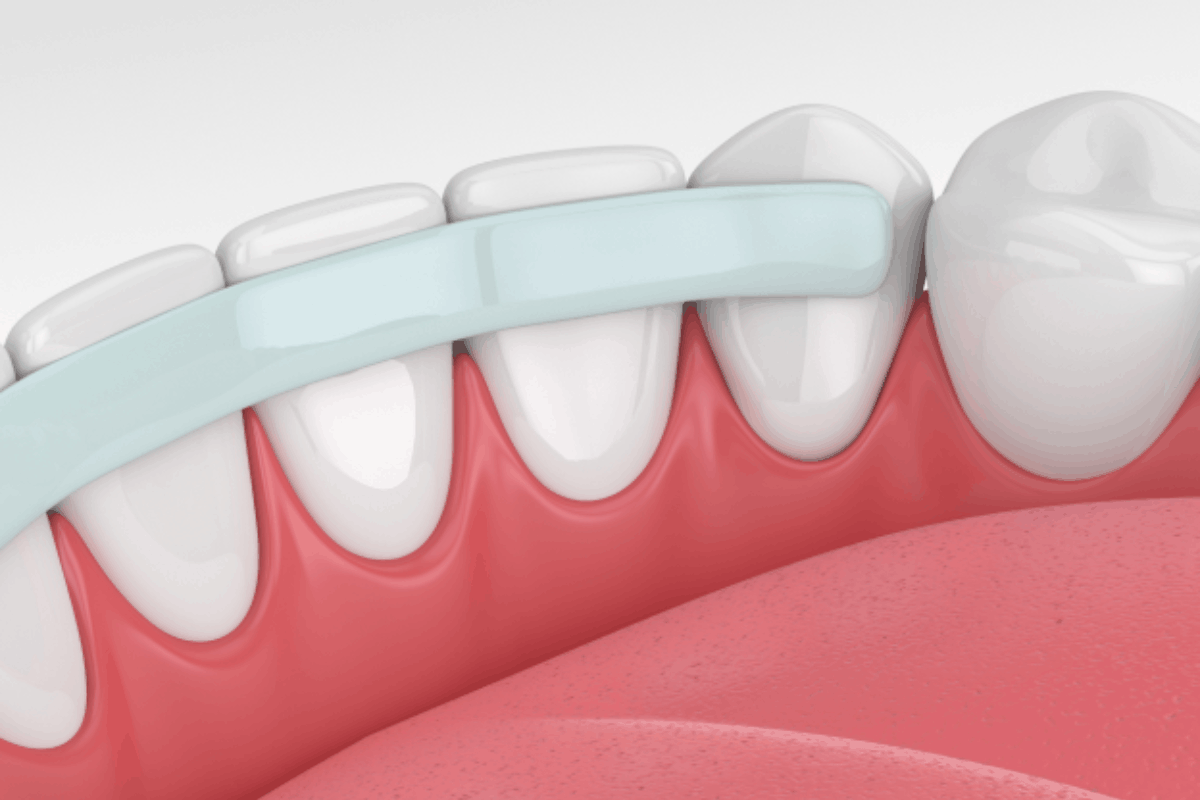
Whitening treatments change the color of natural tooth enamel. Bonding covers or reshapes selected areas with tooth-colored composite resin.
If your main goal is to brighten your entire smile, your dentist may recommend discussing professional whitening before deciding whether bonding is necessary.
If only one tooth has a noticeable color difference, bonding may be considered after the cause of that discoloration has been evaluated.
What Happens During a Shade-Matching Appointment?
Shade selection is usually part of the bonding procedure rather than a separate major treatment.
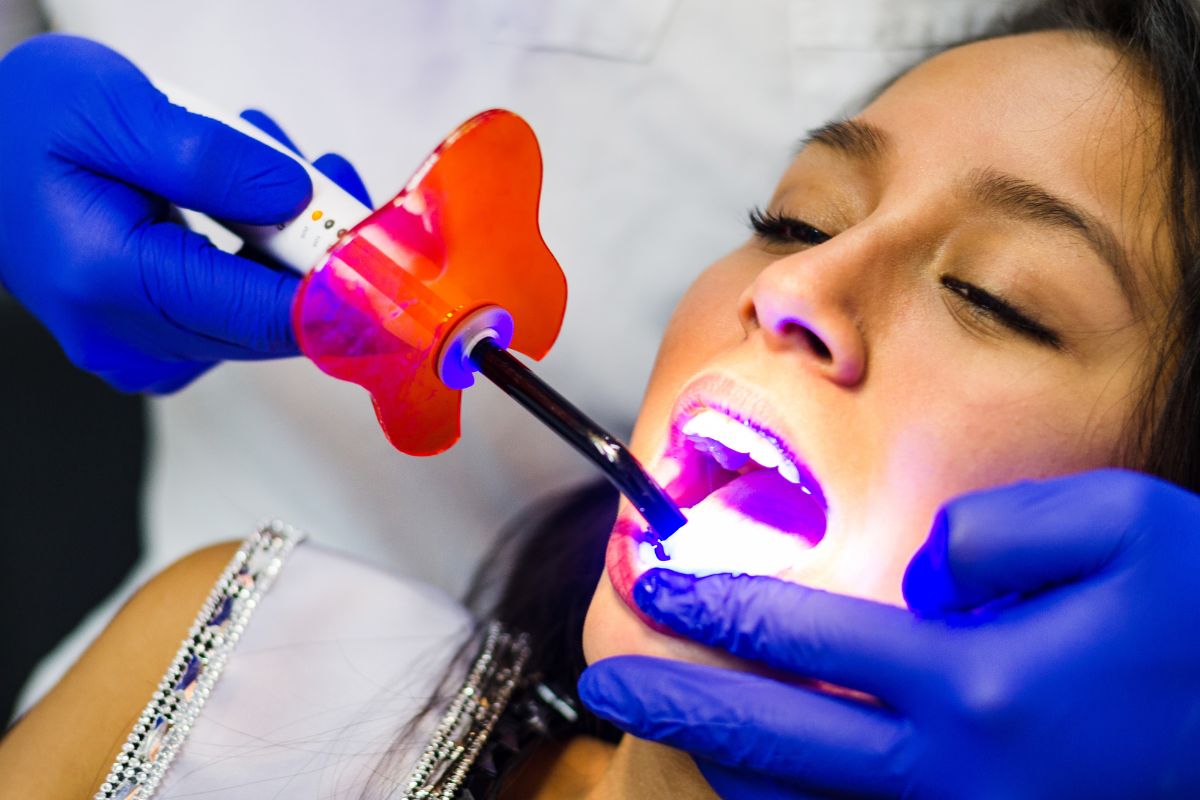
Your dentist examines the tooth, evaluates its surrounding color, and selects an appropriate composite material. The material is then applied and shaped to suit the planned result.
Depending on the case, the dentist may make adjustments to the contours and finish to help the restoration blend with the natural tooth.
Patients in Bel Air should feel comfortable asking questions if they are concerned about how the finished bonding will look.
Will Bonding Stay the Same Color Forever?
No. Composite resin can stain or change in appearance over time.
Coffee, tea, red wine, tobacco, and other staining factors may affect the surface. The extent of discoloration varies depending on personal habits, oral hygiene, the material used, and other factors.
To help maintain your bonding:
- Brush twice daily.
- Floss every day.
- Attend routine dental checkups.
- Avoid biting hard objects with bonded teeth.
- Discuss professional polishing when appropriate.
- Ask your dentist about any changes in color or surface texture.
Bonding may need repair, polishing, or replacement over time. Your dentist can advise you based on its condition.
Is Dental Bonding Right for You?
Shade matching is only one part of determining whether bonding is suitable.
Your dentist also needs to evaluate your tooth structure, bite, gum health, and the type of cosmetic concern you want to address.
Bonding may be appropriate for certain small imperfections, but a veneer, crown, whitening treatment, or another option may be more suitable in other situations.
If you’re considering dental bonding in Bel Air, a personalized evaluation at Smith & Co Dental Practitioners can help you understand your options before committing to treatment.
The right approach should balance appearance, preservation of natural tooth structure, and long-term oral health.
FAQs
1. Can dental bonding match the color of my natural teeth?
Yes. Composite materials come in different shades, allowing a dentist to select a color that blends with surrounding teeth. The final appearance depends on the tooth and the treatment plan.
2. Should I whiten my teeth before dental bonding?
If whitening is part of your plan, discuss the order of treatment with your dentist. Whitening natural teeth first may help with shade selection because composite resin does not whiten in the same way.
3. Does dental bonding stain over time?
Yes. Composite resin can become stained with use. Good oral hygiene, regular dental visits, and appropriate professional maintenance can help preserve its appearance.
4. Can bonding make one tooth look like the others?
Bonding may improve a tooth’s color and shape, but the result depends on the difference between the teeth and the condition of the tooth being treated.
5. Where can I get advice about dental bonding in Bel Air?
Smith & Co Dental Practitioners can evaluate your teeth and discuss whether bonding is appropriate for your cosmetic goals.