
What Can Dental Bonding Fix for Patients in Bel Air, MD?
Request Appointment


Small imperfections can make a noticeable difference in how you feel about your smile. An uneven tooth edge, a minor shape difference, or localized discoloration may seem like a small concern, but it can affect your confidence when speaking or smiling.
For patients in Bel Air, MD, dental bonding can be a conservative cosmetic option for improving certain minor imperfections. The treatment uses tooth-colored composite resin to make carefully planned changes without requiring extensive dental work in many cases.
At Smith & Co Dental Practitioners, the best cosmetic treatment depends on your individual smile, oral health, and goals. Dental bonding can produce natural-looking improvements when it is used for the right type of concern.
What Is Dental Bonding?
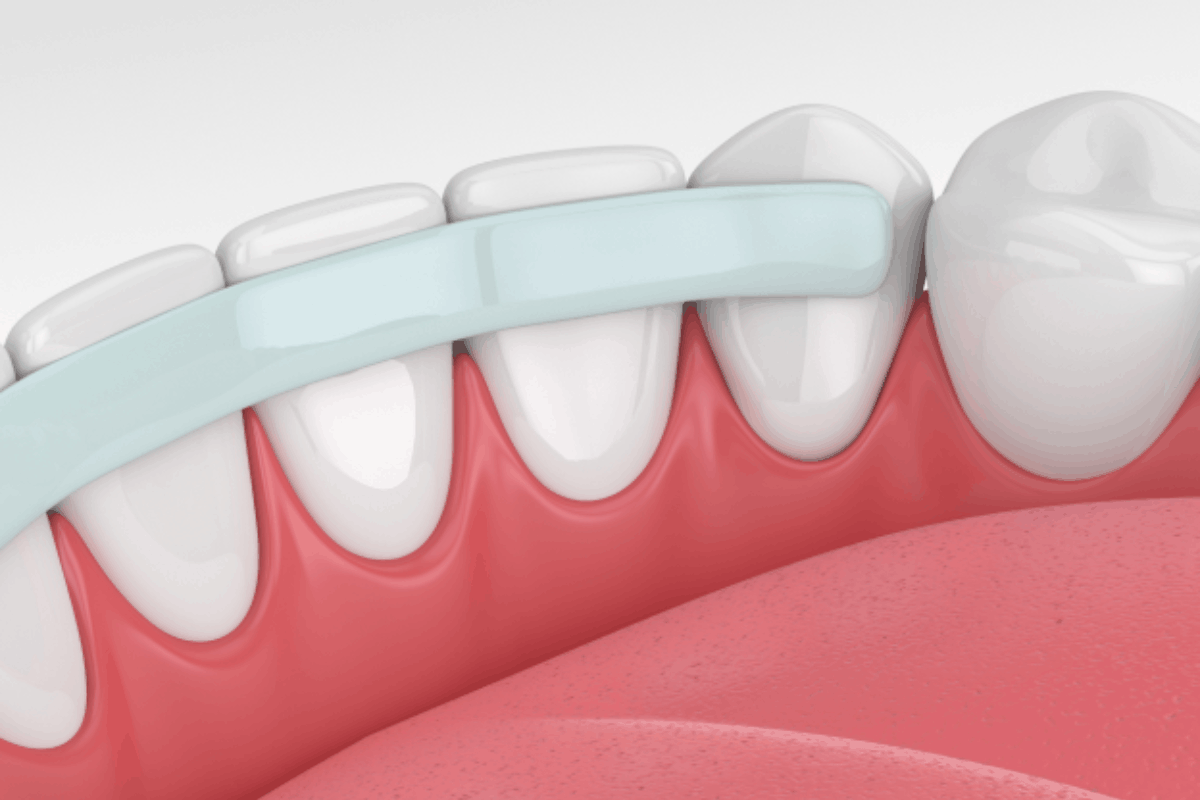
Dental bonding is a cosmetic dental treatment that uses a tooth-colored composite resin to improve the appearance of a tooth.
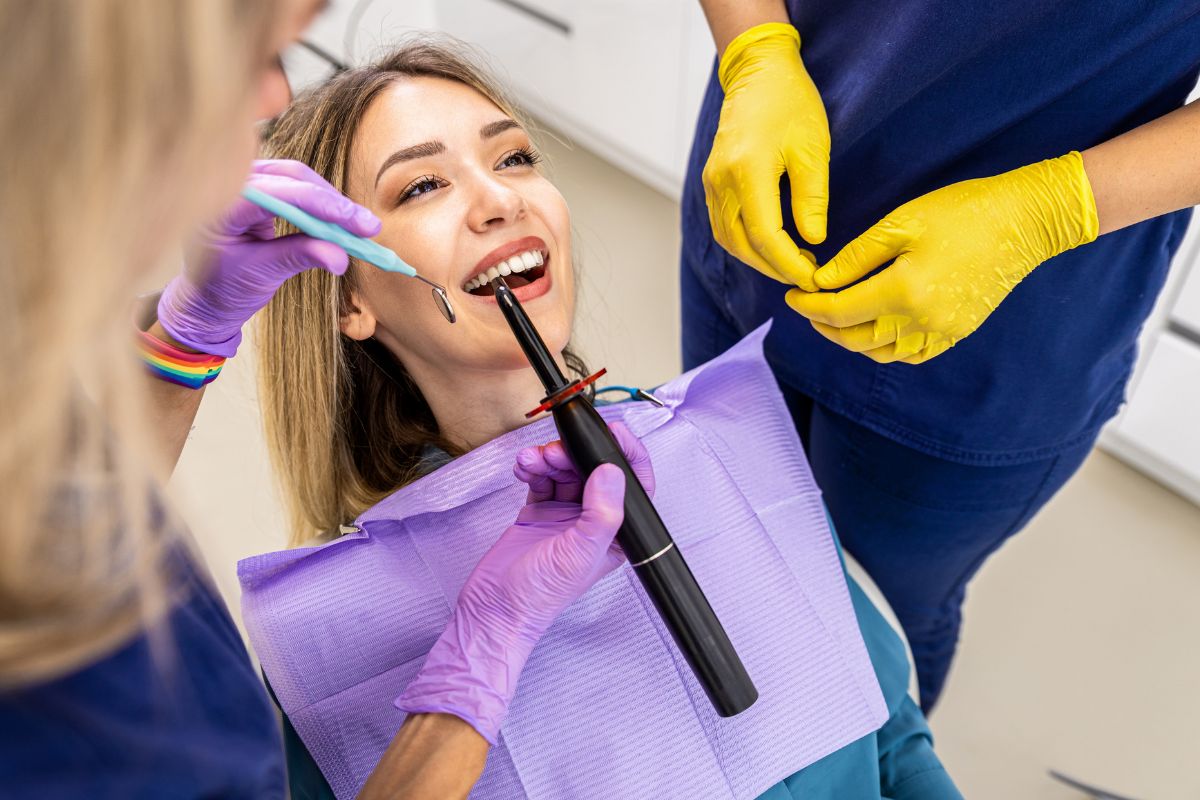
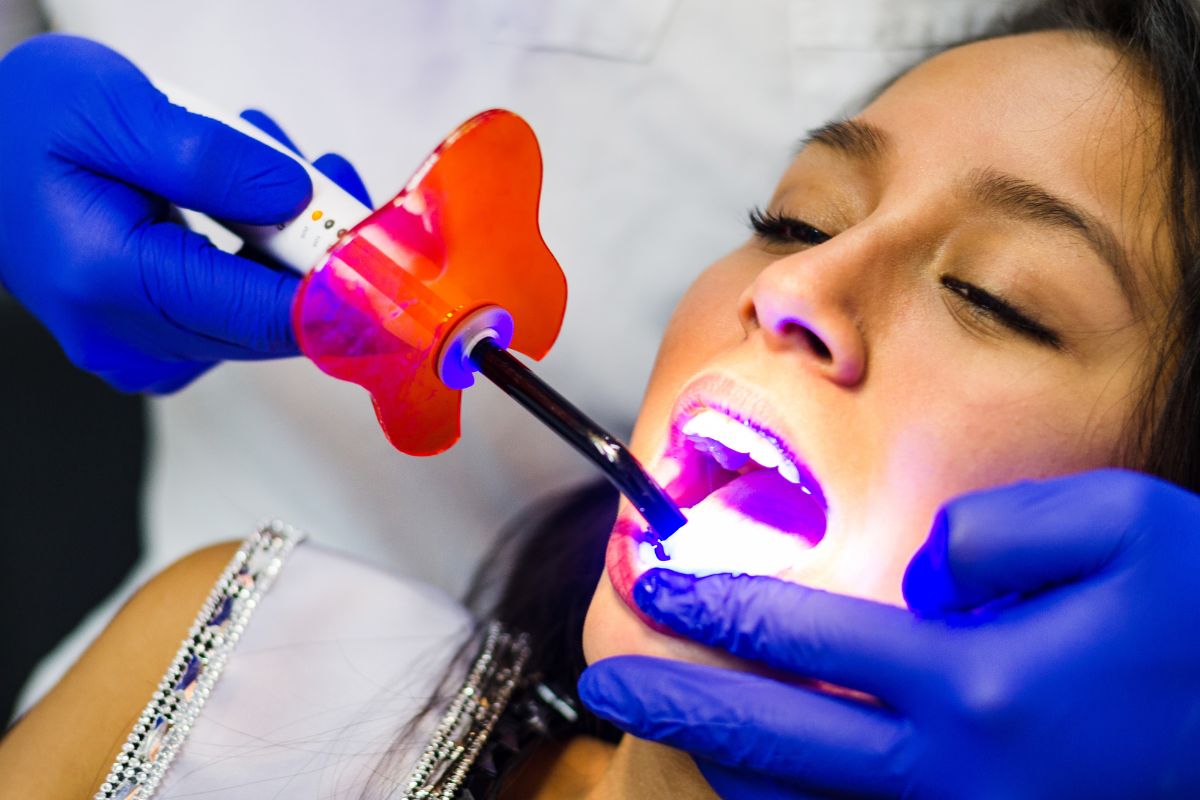
The material is applied directly to the tooth and carefully shaped by the dentist. A special curing light hardens the composite, and the surface is refined and polished to blend with the surrounding teeth.
One reason many patients consider dental bonding is its conservative approach. Depending on the treatment, little to no natural tooth structure may need to be removed.
For patients seeking cosmetic dental care in Bel Air, dental bonding may also be completed in a relatively short amount of time compared with some other cosmetic treatments.
What Can Dental Bonding Fix?
Dental bonding is generally most appropriate for relatively minor cosmetic concerns.
Uneven Tooth Edges
Teeth can develop uneven edges because of normal wear, small fractures, or everyday use.
Dental bonding may help smooth and reshape an uneven edge so the tooth blends more naturally with the rest of your smile.
For example, a front tooth that appears slightly shorter than the neighboring tooth may sometimes be improved by adding a small amount of composite resin.
The goal is to create better balance while maintaining a natural appearance.
Minor Tooth Shape Differences
Not all teeth naturally have identical shapes.
Some patients have teeth that appear slightly narrow, short, or irregular compared with surrounding teeth. In appropriate cases, dental bonding can add composite material to improve proportions and symmetry.
A dentist will evaluate the entire smile rather than focusing on one tooth alone.
For Bel Air patients considering cosmetic improvements, this personalized approach can help ensure the result complements their natural features.
Small Areas of Tooth Wear
Over time, some teeth may develop minor wear that affects their shape or appearance.
Dental bonding may sometimes be used to restore small worn areas when there is enough healthy tooth structure remaining.
However, it is important to identify why the wear occurred.
If teeth grinding, clenching, or bite problems are causing ongoing damage, your dentist may recommend addressing those issues as part of your treatment plan.
Minor Surface Imperfections
Small irregularities on the visible surface of a tooth may affect the overall appearance of your smile.
In certain situations, dental bonding can help improve the contour of the tooth and create a smoother-looking surface.
Your dentist will first evaluate the condition of the tooth to make sure an underlying issue, such as decay or structural damage, is not responsible for the concern.
Certain Types of Localized Discoloration
Professional teeth whitening can improve many types of discoloration, but it does not always produce the same result for every tooth.
Dental bonding may sometimes help cover localized discoloration that does not respond predictably to whitening.
For example, if one tooth has a noticeable color difference, composite bonding may be considered as part of a personalized cosmetic treatment plan.
Your dentist will evaluate the cause of the discoloration before recommending the best option.
When Dental Bonding May Not Be the Right Choice
Dental bonding is versatile, but it is not designed to solve every dental problem.
Another treatment may be recommended if:
- The tooth has significant structural damage.
- Extensive decay is present.
- A large portion of the tooth is missing.
- Your bite places excessive pressure on the tooth.
- You have severe tooth wear.
- You want major changes involving several teeth.
For some patients in Bel Air, a dental crown, veneer, orthodontic treatment, or another restorative option may provide a more predictable solution.
The right treatment should be based on the condition of your teeth rather than simply choosing the fastest cosmetic procedure.
Dental Bonding vs. Other Cosmetic Treatments
Dental Bonding vs. Teeth Whitening
Teeth whitening changes the color of natural tooth enamel.
Dental bonding changes the appearance of a tooth by adding tooth-colored composite resin.
If your main concern is overall tooth discoloration, whitening may be the best first step. If one tooth has a localized cosmetic concern, bonding may be more appropriate.
Your dentist can help determine the right sequence if you are considering more than one cosmetic treatment.
Dental Bonding vs. Veneers
Veneers are custom-made restorations designed to cover the visible front surfaces of teeth.
Dental bonding is generally more conservative because the composite material is applied directly to the tooth.
Bonding may be suitable for smaller cosmetic changes, while veneers may be considered when more extensive changes are desired.
Patients considering dental bonding in Bel Air should discuss both options during a cosmetic consultation to understand the advantages and limitations of each.
Dental Bonding vs. Dental Crowns
A dental crown covers the entire visible portion of a tooth.
Dental bonding is generally used for smaller cosmetic or structural improvements.
If a tooth is significantly weakened or damaged, a crown may provide better long-term protection.
What Happens During a Dental Bonding Appointment?
The process usually begins with an examination and a discussion about your cosmetic goals.
Choosing the Right Shade
The composite resin is selected to blend with your natural teeth.
If you are considering professional whitening, your dentist may recommend discussing whitening before bonding.
Composite resin does not respond to whitening treatments the same way natural enamel does. Planning the order of treatment can help create a more consistent final appearance.
Preparing the Tooth
Many dental bonding procedures require minimal tooth preparation.
The dentist prepares the tooth surface as needed to help the composite material bond securely.
Applying and Shaping the Composite
The resin is carefully applied and shaped.
Your dentist gradually builds the material to create the desired contour.
Small adjustments during this stage can help the bonded tooth blend with the surrounding smile.
Hardening and Polishing
A special curing light hardens the composite resin.
The dentist then makes final adjustments and polishes the surface.
The goal is a smooth finish that looks and feels natural.
How Natural Can Dental Bonding Look?
Modern composite materials can closely match natural tooth color.
However, selecting the correct shade is only one part of creating a natural result.
Your dentist also considers:
- Tooth shape
- Tooth proportions
- Surface texture
- Light reflection
- Surrounding teeth
- Your bite
For patients in Bel Air, choosing a dentist who takes time to plan the cosmetic details can make a significant difference in the finished result.
How Should You Care for Bonded Teeth?
Good oral hygiene is essential for maintaining dental bonding.
Helpful habits include:
- Brushing twice daily.
- Flossing every day.
- Visiting your dentist for regular checkups.
- Avoiding chewing ice.
- Avoiding biting hard objects.
- Using a nightguard if recommended for teeth grinding.
Composite resin can become stained over time. Regular professional cleanings and appropriate home care can help maintain the appearance of bonded teeth.
Find Out Whether Dental Bonding Is Right for You
Not every smile concern requires extensive cosmetic treatment.
For the right patient, dental bonding can be a conservative way to improve tooth shape, minor surface imperfections, and localized cosmetic concerns.
The first step is a professional evaluation.
If you live in Bel Air, MD, Smith & Co Dental Practitioners can evaluate your smile, discuss your cosmetic goals, and explain whether dental bonding or another treatment may be appropriate.
A personalized consultation can help you understand your options and choose a treatment plan designed around your long-term oral health and smile goals.
FAQs
What can dental bonding fix?
Dental bonding may improve minor cosmetic concerns such as uneven tooth edges, small shape differences, localized surface imperfections, and certain types of discoloration.
Can dental bonding improve worn teeth?
Bonding may help restore small areas of tooth wear in appropriate cases. Your dentist will first determine what caused the wear and whether another treatment is needed.
Does dental bonding require removing tooth enamel?
Many dental bonding procedures require little to no removal of natural tooth structure, making bonding a conservative cosmetic treatment option.
Can dental bonding look natural?
Yes. Modern composite resin can closely match natural tooth color. The dentist also considers shape, texture, proportions, and surrounding teeth when creating the final result.
Where can I learn more about dental bonding in Bel Air, MD?
A cosmetic consultation at Smith & Co Dental Practitioners can help determine whether dental bonding is appropriate for your individual smile and oral health needs.