
When Is Dental Bonding the Better Choice Than Veneers in Bel Air?
Request Appointment

Improving your smile doesn’t always require extensive dental work. If you have minor cosmetic concerns, treatments like dental bonding and porcelain veneers can create noticeable improvements with natural-looking results. The question many patients ask is, which option is right for me?
If you’re researching dental bonding in Bel Air, understanding how it compares to veneers can help you make a confident, informed decision. While both treatments enhance the appearance of teeth, they differ in cost, longevity, preparation, and the types of concerns they address.
Choosing the right solution depends on your smile goals, oral health, and long-term expectations.
Understanding Dental Bonding
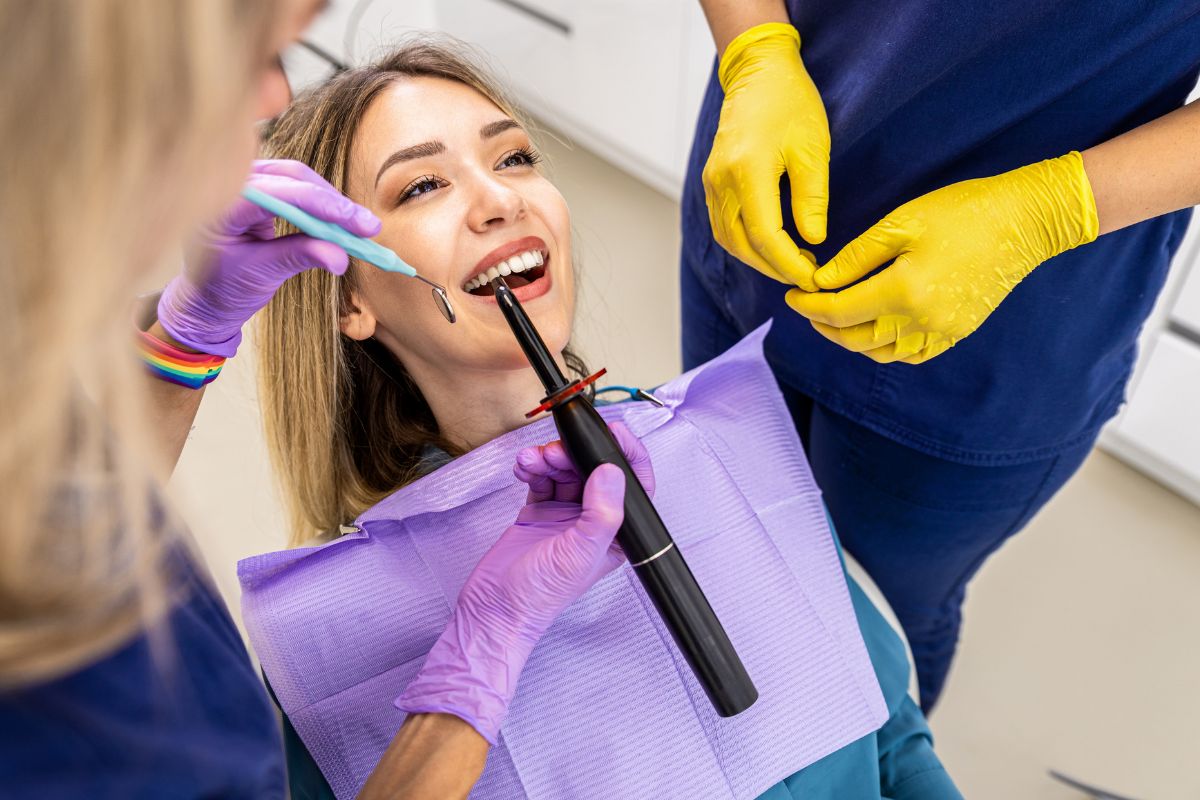
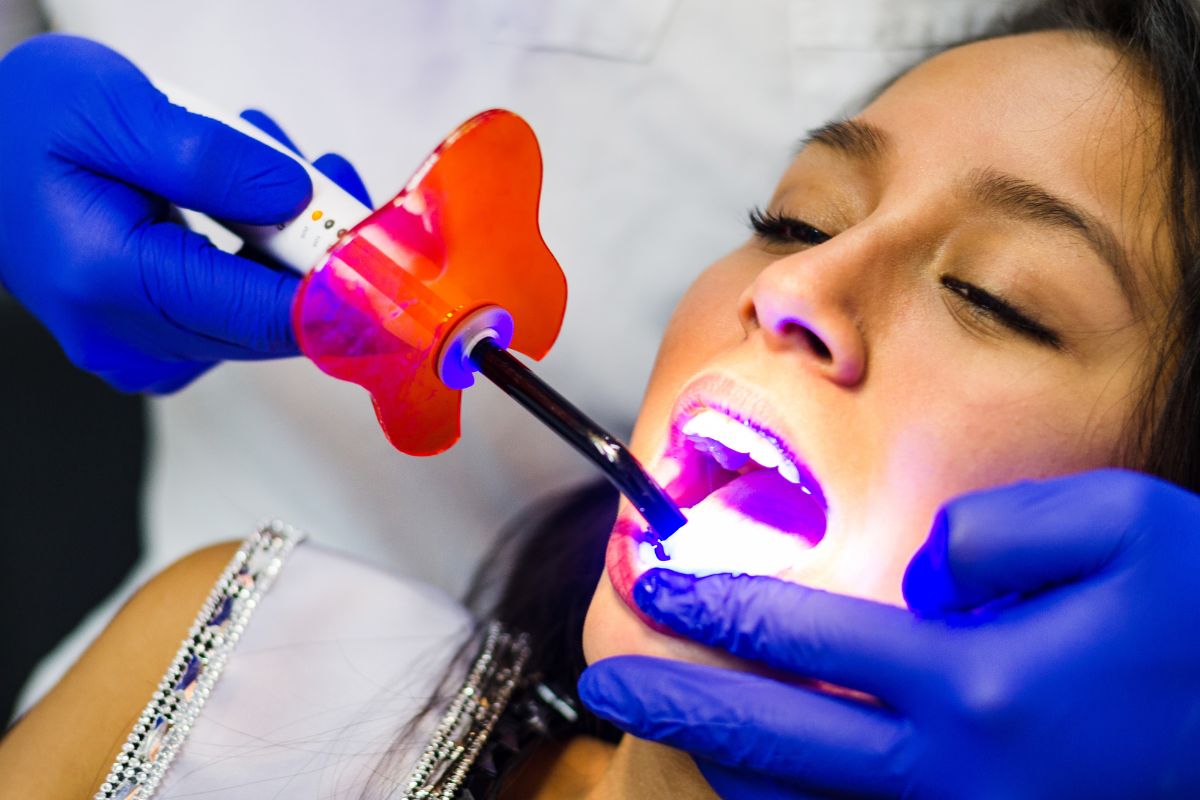
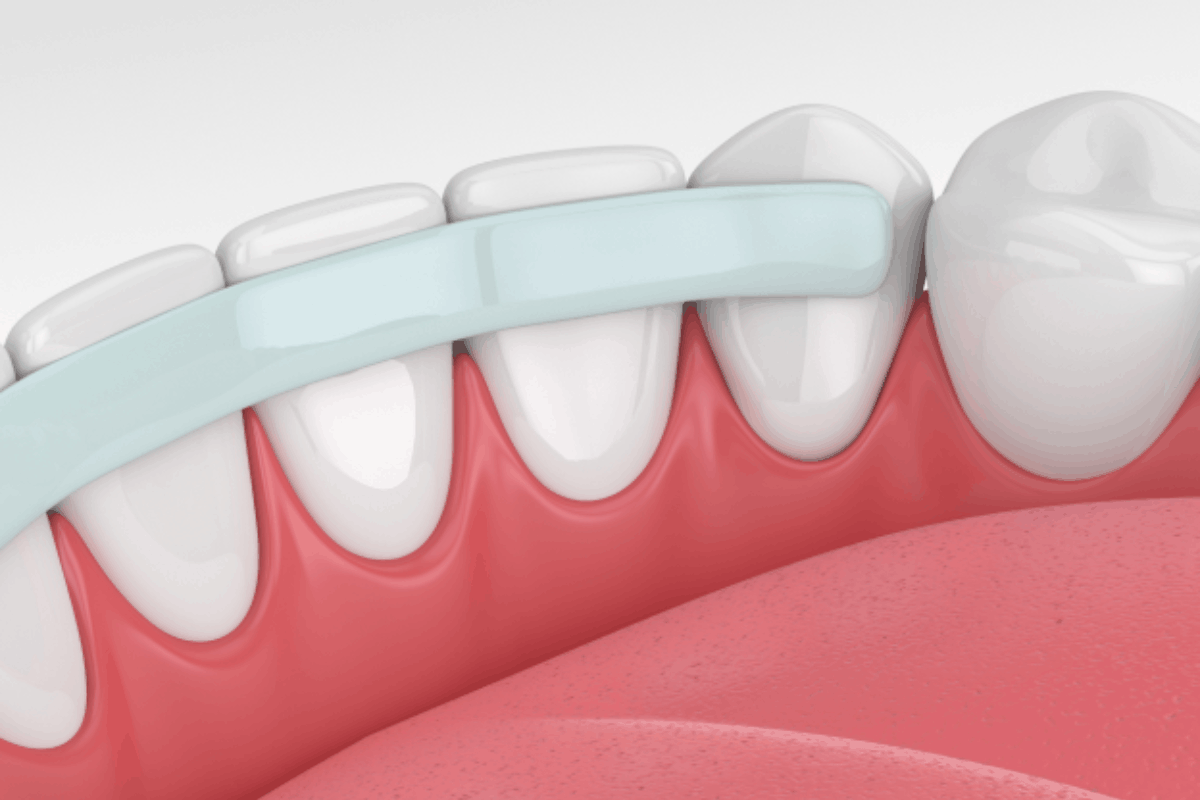
Dental bonding is a cosmetic procedure that uses a tooth-colored composite resin to improve the appearance of teeth. The material is carefully shaped, hardened with a special curing light, and polished to blend naturally with your surrounding teeth.
Bonding is a conservative treatment because little to no natural tooth enamel usually needs to be removed. In many cases, treatment can be completed during a single office visit.
Dental bonding may be recommended to improve:
- Minor chips
- Small cracks
- Tooth discoloration
- Slightly uneven tooth edges
- Small spaces between teeth
- Teeth that appear shorter or misshapen
Because the resin is color-matched to your smile, the results can look seamless when performed by an experienced cosmetic dentist.
What Are Porcelain Veneers?
Porcelain veneers are thin, custom-made ceramic shells that are bonded to the front surfaces of teeth. Unlike bonding, veneers are fabricated in a dental laboratory after detailed impressions or digital scans are taken.
Veneers are often chosen for patients who want a more comprehensive smile transformation or who have multiple cosmetic concerns affecting several front teeth.
They can improve:
- Deep staining that doesn’t respond to whitening
- Worn enamel
- Multiple cosmetic imperfections
- Uneven tooth shape
- Minor alignment concerns
- Smile symmetry
Because veneers are made from high-quality porcelain, they closely mimic the light-reflecting properties of natural enamel.
Dental Bonding vs. Veneers: What’s the Difference?
Although both procedures improve your smile, there are important differences.
| Dental Bonding | Porcelain Veneers |
| Usually completed in one visit | Typically requires two or more visits |
| Minimal tooth preparation | Small amount of enamel usually removed |
| Composite resin material | Custom porcelain restoration |
| Easier to repair if damaged | Replacement is often needed if fractured |
| Good for minor cosmetic changes | Better for more dramatic smile makeovers |
Neither treatment is universally better. The ideal choice depends on your individual needs.
When Dental Bonding May Be the Better Option
For many patients in Bel Air, dental bonding is an excellent choice when cosmetic concerns are limited to one or two teeth.
You may be a good candidate if you:
- Want a conservative cosmetic treatment
- Have healthy teeth and gums
- Need to repair a small imperfection
- Prefer a quicker solution
- Want to preserve as much natural tooth structure as possible
Since bonding generally requires little alteration to your natural teeth, many patients appreciate its minimally invasive approach.
When Veneers May Make More Sense
There are situations where veneers provide greater long-term cosmetic benefits.
Your dentist may recommend veneers if you:
- Want to transform several front teeth
- Have significant enamel discoloration
- Desire highly stain-resistant restorations
- Need consistent shape and color across your smile
- Are looking for a complete smile makeover
Because porcelain is highly durable and resistant to staining, veneers are often selected for patients seeking long-lasting aesthetic improvements.
Appearance: Which Looks More Natural?
Both bonding and veneers can produce beautiful results when carefully planned.
Modern composite resins have advanced significantly and can closely resemble natural enamel for smaller cosmetic corrections.
Porcelain veneers, however, offer exceptional translucency and light reflection that closely mimic natural teeth. This makes them especially effective when multiple visible teeth are being treated.
The experience and artistic skill of your cosmetic dentist often have a greater impact on the final appearance than the material itself.
Durability and Maintenance
Regardless of which treatment you choose, good oral hygiene plays an important role in maintaining your smile.
To help your restoration last:
- Brush twice daily with a soft-bristled toothbrush.
- Floss every day.
- Limit habits like chewing ice or biting fingernails.
- Wear a nightguard if you grind your teeth.
- Visit your dentist for regular cleanings and examinations.
Composite bonding may require occasional polishing or touch-ups over time, while porcelain veneers are highly resistant to staining from coffee, tea, and red wine.
How Your Dentist Helps You Decide
Selecting between bonding and veneers isn’t simply about appearance. Your dentist evaluates several factors before recommending treatment, including:
- Your oral health
- Tooth structure
- Bite alignment
- Cosmetic goals
- Lifestyle habits
- Budget considerations
During your consultation, digital imaging, photographs, and a clinical examination help determine which option is likely to deliver the most predictable and satisfying results.
Rather than recommending the same treatment for every patient, an experienced cosmetic dentist develops a personalized plan based on your unique smile.
Why Local Experience Matters in Bel Air
Choosing a cosmetic dentist involves more than finding someone who offers bonding or veneers. Look for a practice that combines advanced technology with a personalized approach to treatment planning.
A local dental team familiar with the needs of patients in Bel Air can guide you through every step—from discussing your goals to selecting the treatment that best complements your smile.
Whether you’re preparing for a special event, improving your confidence at work, or simply addressing minor imperfections, receiving individualized care can make all the difference.
Achieve a Smile That Fits Your Goals
Both dental bonding and porcelain veneers offer effective ways to enhance your smile, but the best treatment is the one that matches your needs—not someone else’s.
If your concerns are relatively minor, dental bonding may provide the conservative, efficient solution you’re looking for. If you’re seeking a more comprehensive cosmetic transformation, veneers may be the better investment.
The first step is a professional evaluation. During your consultation, your dentist can explain the benefits of each option, answer your questions, and recommend a treatment plan tailored to your smile.
If you’re considering dental bonding in Bel Air, Smith & Co Dental Practitioners can help you explore your cosmetic dentistry options and determine the treatment that best supports your long-term oral health and aesthetic goals.
FAQs
Is dental bonding or veneers more affordable?
Dental bonding generally has a lower upfront cost than porcelain veneers because it uses composite resin and is often completed in a single visit.
Does dental bonding require removing tooth enamel?
In many cases, little to no enamel removal is needed for dental bonding, making it one of the more conservative cosmetic dental treatments.
Can dental bonding look as natural as veneers?
Yes. Modern composite resin can closely match the color of your natural teeth. For small cosmetic improvements, bonding often produces highly natural-looking results.
Which treatment lasts longer—bonding or veneers?
Porcelain veneers typically last longer than composite bonding, but both can provide lasting results with proper oral hygiene and regular dental checkups.
How do I know which treatment is right for me?
A cosmetic dental consultation is the best way to determine the right option. Your dentist will evaluate your oral health, smile goals, and the condition of your teeth before recommending treatment.