
Is Dental Bonding Right for Fixing My Chipped Front Tooth?
Request Appointment

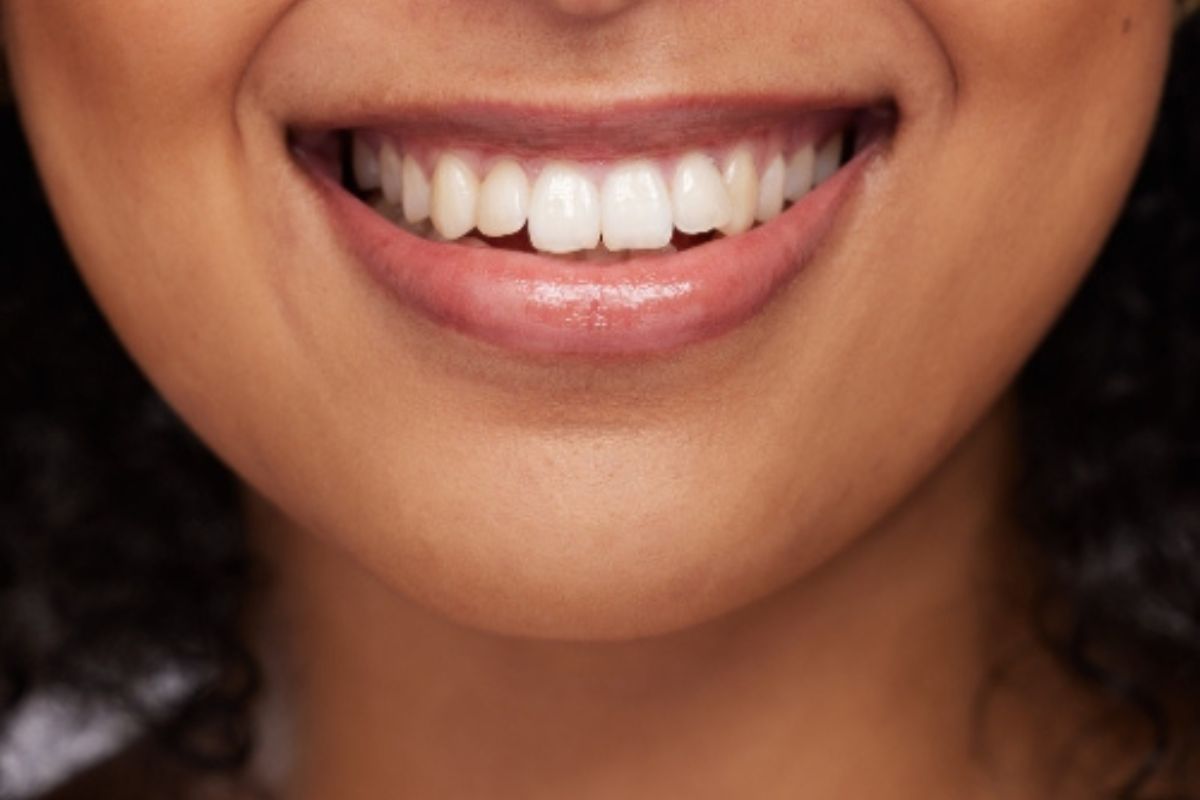
A small chip on your front tooth can feel like a big deal. It catches your eye every time you smile, talk, or snap a photo. Many people worry it will worsen or ruin their appearance. The good news? Modern cosmetic options can restore your tooth quickly and naturally. Dental bonding stands out as a popular choice for minor chips because it delivers fast results without major changes to your tooth.
What Is Dental Bonding?
Dental bonding applies a tooth-colored composite resin directly to the damaged area. Dentists mold and harden this material with a special light to match your natural tooth shade and shape. The process repairs chips, cracks, or small imperfections on front teeth. It blends seamlessly so no one notices the fix. This conservative method keeps most of your original tooth intact.
How the Procedure Works for a Chipped Front Tooth
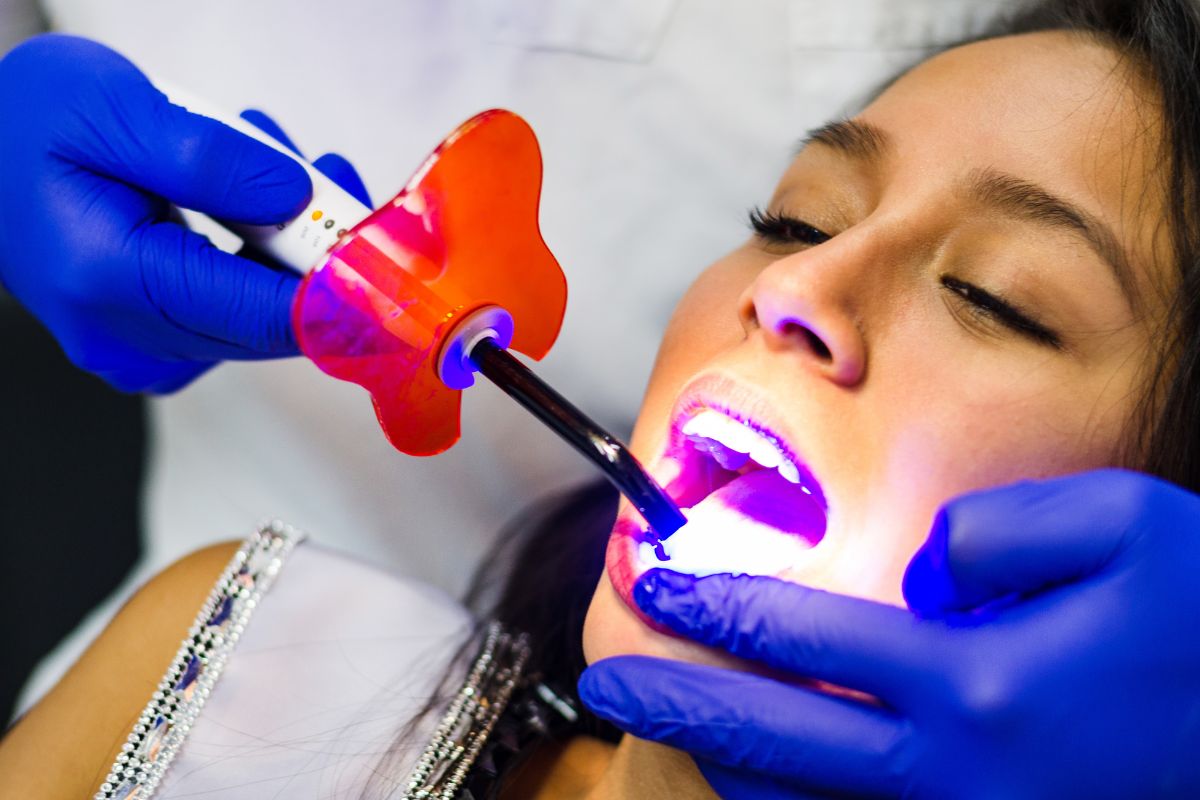
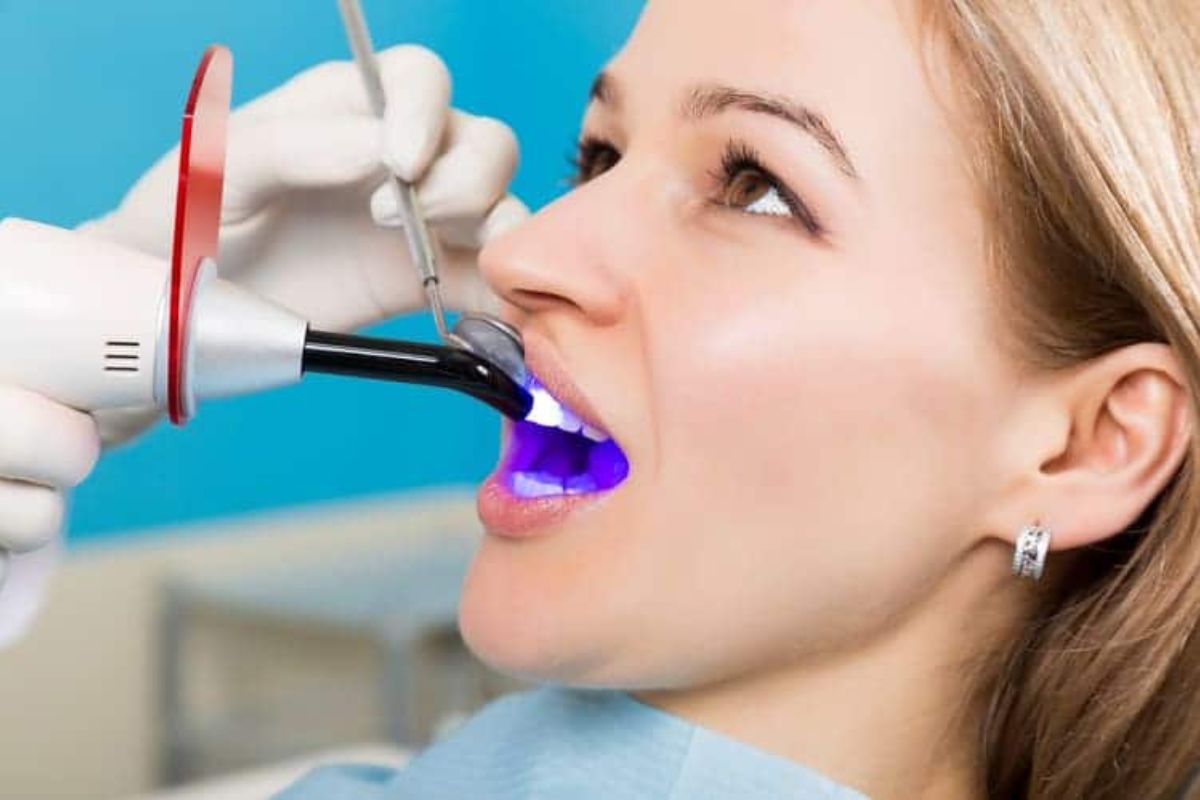
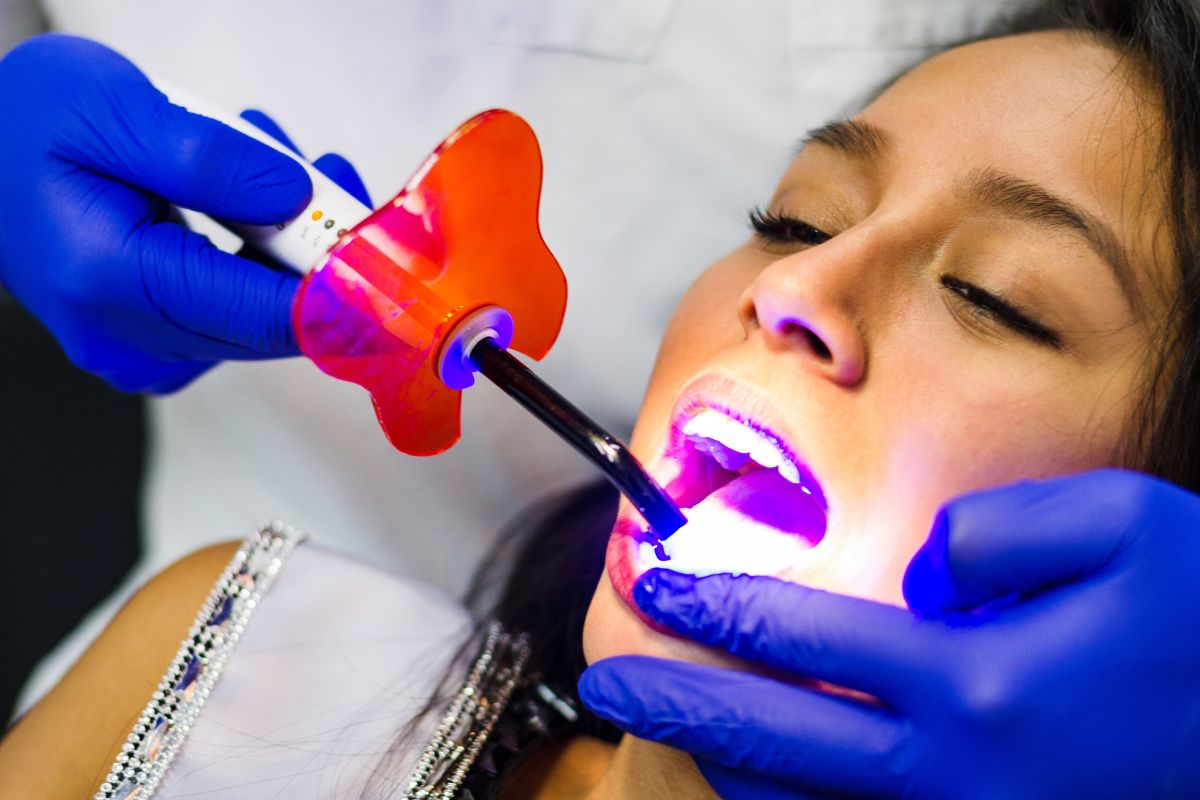
The steps stay simple and quick. First, the dentist cleans the tooth surface. Next, a gentle etching solution helps the resin stick. Then, the composite material goes on in layers. The dentist shapes it to restore the original look and function. A curing light hardens each layer in seconds. Finally, polishing creates a smooth, glossy finish. Most cases wrap up in one 30- to 60-minute visit. No shots needed for minor chips.
Benefits of Choosing Dental Bonding
Patients love how bonding preserves natural tooth structure. It requires little to no enamel removal, unlike other restorations. The result looks and feels real right away. You walk out with an improved smile the same day. Bonding works well for visible front teeth where appearance matters most. It also protects the chipped area from further damage or sensitivity. Many choose it for its straightforward approach and excellent cosmetic outcomes.
Patients often discover that dental bonding in Bel Air offers a reliable way to handle everyday chips from accidents or wear. The technique adapts perfectly to front teeth, delivering strength where it shows.
Potential Drawbacks to Consider
Bonding has limits. The resin can stain from coffee, tea, or red wine over time. It may chip if you bite hard objects or grind your teeth. Durability typically ranges from five to ten years with good care. Touch-ups become necessary sooner than with stronger materials. Heavy chewers or those with larger chips might need a more robust option later.
When Is Dental Bonding the Best Option?
Bonding shines for small to moderate chips on front teeth. It suits people who want minimal intervention and fast results. Good oral hygiene and no major grinding habits help it last longer. A quick exam reveals if your chip fits the ideal size and location. Dentists assess bite force and overall tooth health before recommending it.
| Aspect | Dental Bonding | Porcelain Veneers |
|---|---|---|
| Visits Required | One | Two or more |
| Tooth Structure | Minimal removal | Some enamel removed |
| Durability | 5–10 years | 10–20+ years |
| Best For | Small chips, quick fix | Larger damage, full makeover |
| Stain Resistance | Moderate | Excellent |
This comparison shows bonding as the conservative pick for minor front-tooth chips.
Alternatives to Dental Bonding
Veneers cover the entire front surface for bigger chips or multiple flaws. Crowns encase the whole tooth when more support is needed. Each option fits different situations. Your dentist reviews your specific chip and goals to guide the choice.
Caring for Your Bonded Tooth
Simple habits extend the life of your repair. Brush twice daily with a soft toothbrush. Floss gently around the bonded area. Avoid chewing ice, hard candy, or using teeth as tools. Schedule regular checkups to catch any wear early. Professional cleanings keep stains away and maintain the natural shine.
If you are searching for a cosmetic dentist near you, an in-person evaluation can confirm whether bonding matches your needs and delivers the smile you want.
Trending FAQs About Dental Bonding for Chipped Teeth
- Can dental bonding fix a chipped front tooth?
Yes. It restores shape and appearance for small to moderate chips in one visit. - How long does dental bonding last?
It typically lasts 5 to 10 years with proper care and good oral habits. - Is the dental bonding procedure painful?
No. Most patients feel no discomfort since it rarely requires anesthesia. - How does dental bonding compare to veneers?
Bonding is faster and less invasive for minor chips. Veneers offer greater durability for larger issues. - Will bonded teeth stain over time?
Yes, they can. Limit dark drinks and maintain excellent hygiene to slow staining. - What happens if the bonding chips again?
A dentist can repair or replace it easily during a short appointment.
Dental bonding offers a smart, effective path to fix a chipped front tooth and regain your confident smile. It balances speed, comfort, and natural results for many patients. Take the next step. Schedule an appointment today to explore your options and move forward with a brighter smile.