
How Do Bel Air Dentists Prepare Teeth for Bonding?
Request Appointment

A healthy, confident smile often starts with small but precise improvements. Dental bonding is one such solution that helps restore chipped, uneven, or discolored teeth. But before the bonding material is applied, careful preparation is essential. Our cosmetic dentists in Bel Air follow a structured approach to ensure the results look natural, feel comfortable, and last as long as possible.
Understanding how teeth are prepared can help you feel more confident about the process and know exactly what to expect during your visit.
Why Preparation Matters in Dental Bonding
Dental bonding relies on a strong connection between the tooth surface and the composite resin. Without proper preparation, the material may not adhere correctly, which can affect durability and appearance.
Preparation ensures:
- Better bonding strength
- Natural tooth appearance
- Longer-lasting results
- Reduced risk of staining or chipping
Many dentists and professionals across the country emphasize that preparation is just as important as the bonding itself.
Initial Consultation and Examination
Evaluating Tooth Condition
The process begins with a thorough dental examination. The dentist checks for:
- Tooth decay
- Gum health
- Existing restorations
- Bite alignment
This step ensures that bonding is suitable for your specific needs.
Discussing Your Goals
Patients often visit for concerns like gaps, uneven edges, or discoloration. Your cosmetic dentist will assess your goals and determine how bonding can enhance your smile.
Cleaning the Tooth Surface
Before any bonding material is applied, the tooth must be completely clean. Even minor plaque or debris can interfere with adhesion.
Professional Cleaning
Dentists remove plaque, tartar, and surface stains using specialized tools. This creates a smooth and contamination-free surface.
Importance of a Clean Base
A clean tooth allows the bonding material to attach more securely. It also improves the final appearance, ensuring a seamless blend with natural enamel.
Shade Selection for Natural Results
One of the key steps in preparation is choosing the right shade of composite resin.
Dentists carefully match the material to your natural tooth color. This ensures that the bonded area looks indistinguishable from the rest of your smile.
Lighting conditions and tooth hydration levels are considered during this step to achieve the most accurate match.
Tooth Surface Preparation (Etching Process)
What Is Etching?
Etching involves applying a mild acidic solution to the tooth surface. This creates microscopic roughness on the enamel.
Why It’s Necessary
The slightly rough texture helps the bonding material adhere more effectively. Without etching, the resin would not stay securely attached.
This step is quick, painless, and crucial for long-term success.
Application of Conditioning Liquid
After etching, a conditioning liquid is applied to the tooth.
This liquid acts as a bonding agent, allowing the composite resin to form a strong connection with the tooth structure.
The combination of etching and conditioning creates an ideal foundation for bonding.
Preparing for Composite Resin Placement
At this stage, the tooth is fully prepared for bonding.
Cosmetic dentists ensure:
- The surface is dry and isolated
- The bonding area is clearly defined
- Adjacent teeth are protected if needed
In many cases, procedures like reshaping or smoothing are also done to enhance the final outcome.
This is especially helpful when addressing minor imperfections such as cracks or uneven edges. For example, when improving a damaged tooth, many patients benefit from composite bonding used to repair a chipped tooth, which restores both function and aesthetics.
Placement and Sculpting of the Resin
Once preparation is complete, the dentist applies the composite resin.
The material is:
- Carefully layered
- Sculpted into the desired shape
- Smoothed for a natural finish
The dentist’s expertise plays a major role here, ensuring that the bonded tooth blends perfectly with surrounding teeth.
In procedures involving dental bonding, attention to detail during this stage ensures long-lasting and aesthetically pleasing results.
Curing and Polishing
Hardening the Material
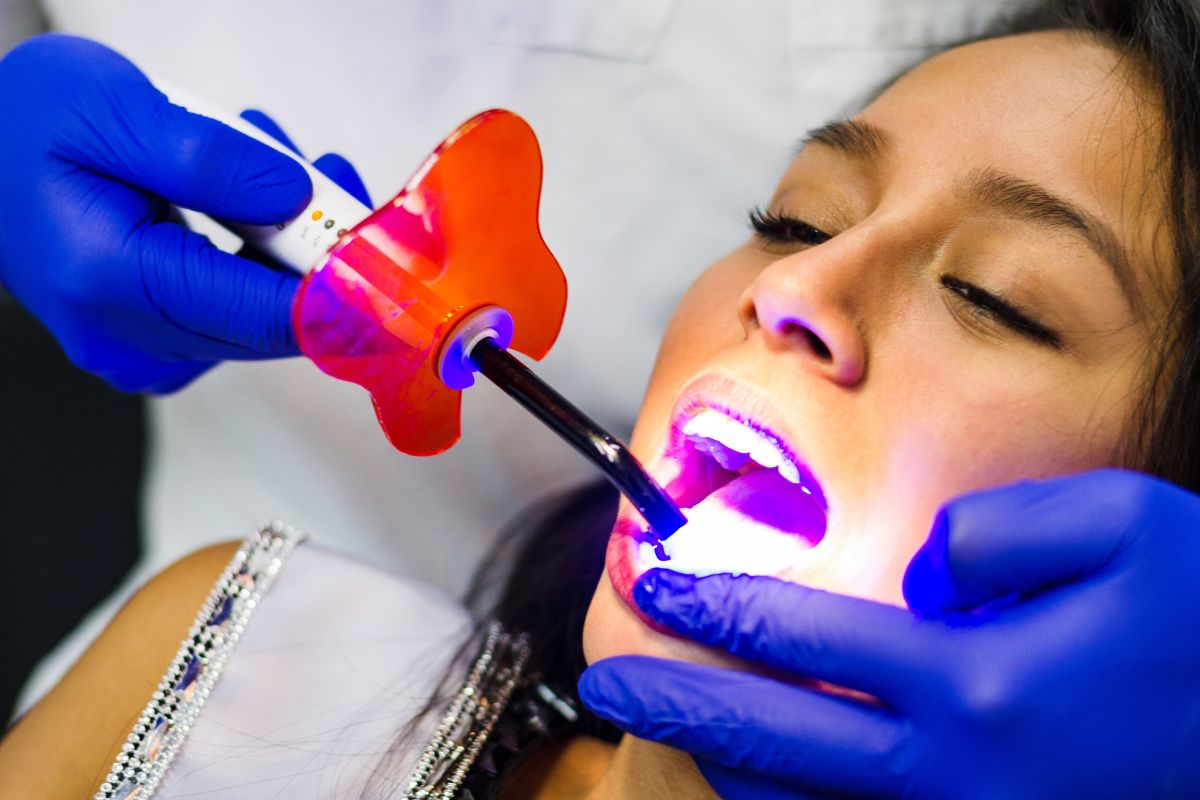
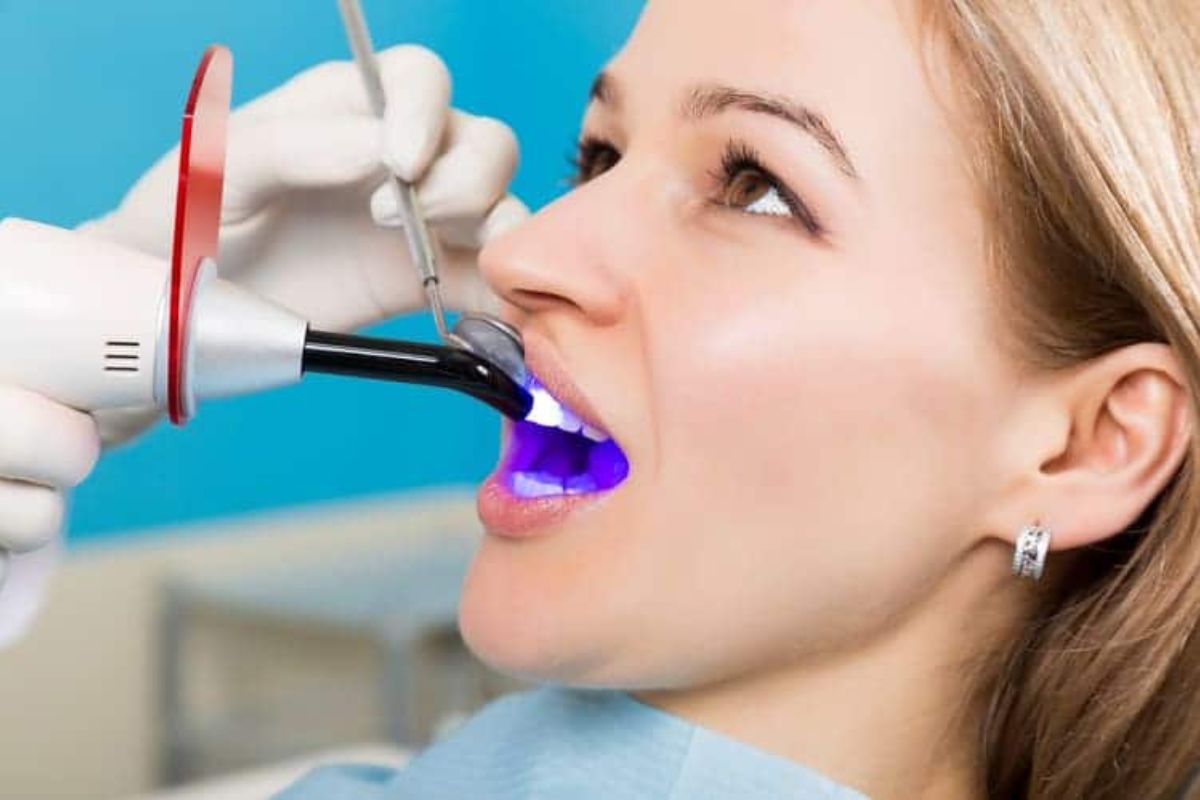
A special curing light is used to harden the resin. This process only takes a few seconds.
Final Polishing
After curing, the bonded tooth is polished to match the shine and texture of natural enamel.
This final step enhances both appearance and comfort.
Post-Procedure Checks
Dentists always perform a final evaluation after bonding.
They check:
- Bite alignment
- Smoothness of the surface
- Overall appearance
Minor adjustments may be made to ensure optimal comfort and function.
Patients often appreciate how quickly the transformation happens, with noticeable improvements achieved in a single visit.
Role of Expertise in Successful Bonding
The preparation process may seem simple, but it requires precision and experience.
When you visit our dentist in Bel Air, you can expect a personalized approach that focuses on both aesthetics and long-term oral health. Proper preparation ensures that the bonding not only looks great but also withstands daily use.
Information Table: Key Steps in Tooth Preparation
| Step | Purpose | Benefit |
|---|---|---|
| Cleaning | إزالة plaque and debris | Better adhesion |
| Shade Matching | Match natural tooth color | Seamless appearance |
| Etching | Create rough surface | Strong bonding |
| Conditioning | Improve adhesion | Long-lasting results |
| Surface Prep | Ensure dryness and isolation | Accurate placement |
Trending FAQs (People Also Ask)
- How long does dental bonding preparation take?
Usually 15–30 minutes per tooth depending on the condition. - Does tooth preparation hurt?
No, it is generally painless and does not require anesthesia in most cases. - Do dentists remove enamel for bonding?
Only a minimal amount is affected during the etching process. - How long does bonding last after preparation?
With proper care, it can last several years. - Can bonding fix uneven teeth?
Yes, it can reshape and improve the appearance of uneven or chipped teeth.
Dental bonding is a simple yet highly effective way to enhance your smile. The preparation process plays a vital role in ensuring strong adhesion, natural appearance, and lasting results. With the right care and professional expertise, bonding can restore confidence and improve daily comfort.
If you’re considering improving your smile, scheduling a consultation can help you understand your options and next steps. Book your appointment and take the first step toward a healthier, more confident smile.